Mastering Oaxacan Backstrap Weaving & Cochineal Dye 2026
The Resurgence of Oaxacan Textile Arts in 2026
The year 2026 marks a pivotal moment for Latin American traditional garments, as global appreciation shifts from mere aesthetic consumption to a deep, technical understanding of Indigenous craftsmanship. Among the most revered of these traditions is the Oaxacan backstrap weaving technique, paired with the ancient mastery of cochineal natural dyeing. For textile artists, fashion designers, and cultural preservationists, understanding the mechanics of the telar de cintura (backstrap loom) and the chemistry of grana cochinilla (cochineal) is no longer optional—it is essential for ethical engagement with these living heritage arts.
According to guidelines on traditional craftsmanship preserved by UNESCO's Intangible Cultural Heritage programs, the transmission of these weaving and dyeing techniques is vital to the cultural identity of Zapotec and Mixtec communities. This guide provides actionable, step-by-step instructions for setting up a backstrap loom, executing a traditional cochineal dye bath, and ethically sourcing finished garments in the current 2026 market.
Anatomy and Setup of the Backstrap Loom (Telar de Cintura)
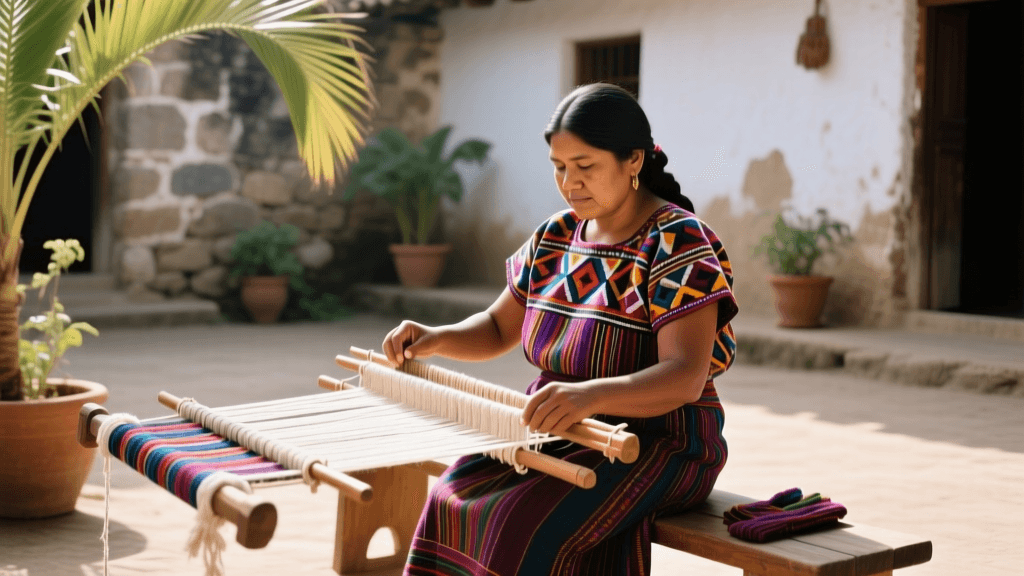
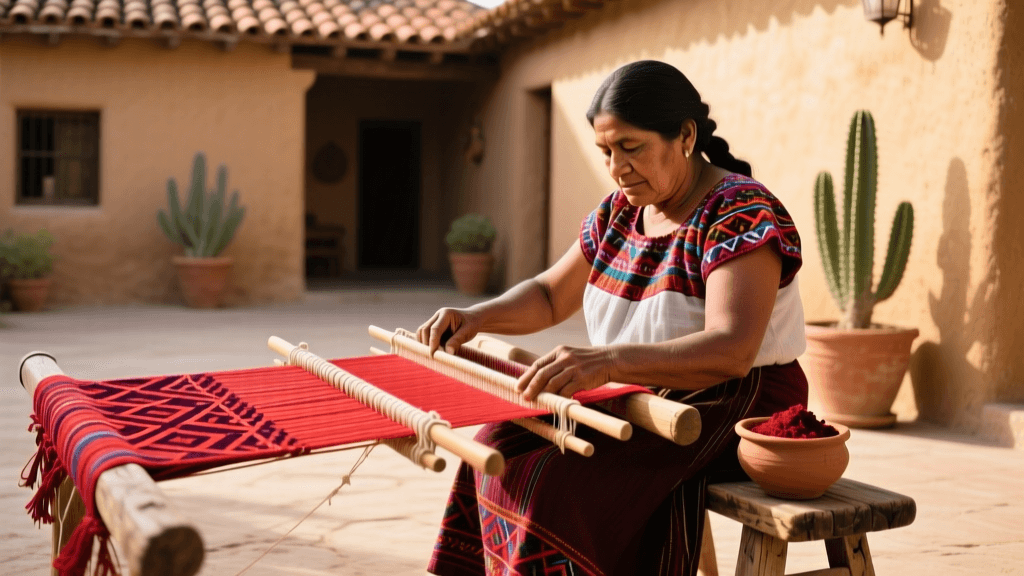
Unlike the rigid pedal looms (telares de pedal) introduced by the Spanish in the 16th century, the backstrap loom is entirely tensioned by the weaver’s body. This allows for unparalleled portability and an intimate, rhythmic connection between the artisan and the textile. In 2026, modern weavers and students continue to use the exact same structural components utilized by their ancestors.
Essential Components
- Enjulio (Warp Beam): The top wooden stick that holds the unwoven warp threads, traditionally tied to a tree, post, or heavy table leg.
- Brochal (Cloth Beam): The bottom wooden stick that holds the finished woven fabric, which attaches to the weaver's back via a belt or strap.
- Mechapal (Backstrap): A wide leather or woven cotton strap that wraps around the weaver’s lower back, transferring body weight into loom tension.
- Espada (Sword/Batten): A flat, polished wooden stick used to beat the weft threads tightly into place.
- Lizos (Heddles): Continuous string loops that lift alternating warp threads to create the shed (the space for the weft).
Actionable Setup Guide
To set up a standard loom for weaving a cotton rebozo or huipil panel, you need a warp length of approximately 2.5 to 3 meters. Secure the enjulio to a sturdy post at chest height. Sit on the ground or a low stool, wrap the mechapal around your hips, and lean back. The tension should be firm enough that the warp threads sound like a low guitar string when plucked, but not so tight that the cotton fibers snap. Proper posture is critical; weavers recommend keeping the spine straight and using the core muscles to maintain consistent tension, adjusting the lean slightly with every beat of the espada.
Mastering Cochineal (Grana Cochinilla) Natural Dyeing
Cochineal, derived from the Dactylopius coccus insect that feeds on the nopal cactus, produces some of the most colorfast and vibrant reds in the natural dye spectrum. While synthetic dyes dominated the 20th century, the 2026 sustainable fashion movement has seen a massive return to this biodegradable, non-toxic pigment.
Step-by-Step Dye Recipe for Protein and Cellulose Fibers
This recipe is scaled for 100 grams of scoured yarn (wool, silk, or mordanted cotton).
- Preparation: Crush 15 grams of dried cochineal insects into a coarse powder using a traditional volcanic stone molcajete or a dedicated mortar and pestle.
- Extraction: Bring 3 liters of distilled or neutral pH water to a simmer (around 80°C). Add the crushed cochineal and simmer for 45 minutes. The water will turn a deep, dark burgundy.
- Mordanting: For protein fibers (wool/silk), ensure the fiber has been pre-mordanted with 10 grams of alum (potassium aluminum sulfate) and 5 grams of cream of tartar. For cellulose fibers (cotton), a tannin-alum mordant sequence is required for colorfastness.
- Dyeing: Strain the dye bath through a fine mesh cloth. Submerge the wet, mordanted fiber into the warm cochineal bath. Maintain a temperature of 70°C to 80°C for 60 minutes, gently agitating every 15 minutes.
- Cooling: Turn off the heat and let the fiber cool in the bath overnight. This gradual cooling process is a secret to achieving deep, penetrating crimson hues.
Cochineal Color Modification Chart
The true magic of cochineal lies in its sensitivity to pH levels. By altering the chemistry of the dye bath or using post-bath modifiers, artisans can extract an entire spectrum of colors from a single insect.
| Modifier Agent | Chemical Effect | Resulting Color on Wool/Silk |
|---|---|---|
| None (Base Bath) | Neutral pH | Deep Crimson / Magenta |
| Lime Juice or Citric Acid | Acidic (Lowers pH) | Bright Orange / Coral |
| Wood Ash Water or Baking Soda | Alkaline (Raises pH) | Rich Purple / Plum |
| Iron (Ferrous Sulfate) | Metallic Mordant | Dark Grey / Aubergine |
| Copper (Copper Sulfate) | Metallic Mordant | Earthy Burgundy / Rust |
Ethical Sourcing and 2026 Market Pricing
As demand for authentic Latin American traditional garments has surged, so too has the prevalence of mass-produced, machine-made imitations. As highlighted by Fashion Revolution in their ongoing transparency campaigns, knowing exactly who made your clothes and ensuring they are compensated fairly is the cornerstone of ethical textile consumption in 2026.
Supporting Indigenous artisans directly aligns with the advocacy work of organizations like Cultural Survival, which emphasizes the importance of fair trade and intellectual property rights for Native artisans. When purchasing a handwoven huipil or rebozo, buyers must understand the labor involved. A single backstrap-woven cotton huipil can take between 60 to 120 days of continuous daily weaving to complete.
2026 Ethical Pricing Guide: Direct vs. Retail
The following table outlines the expected fair-trade pricing for authentic Oaxacan textiles in 2026. Purchasing directly from cooperatives ensures the weaver receives the maximum percentage of the sale.
| Garment / Textile Type | Weaving Technique | Direct Artisan Price (USD) | Ethical Boutique Price (USD) |
|---|---|---|---|
| Cotton Rebozo (Full Size) | Backstrap Loom | $280 - $450 | $550 - $800 |
| Daily Use Huipil (Cotton) | Backstrap Loom | $180 - $300 | $350 - $500 |
| Ceremonial Huipil (Silk/Cotton) | Backstrap Loom | $600 - $1,200 | $1,500 - $2,500 |
| Wool Tapete (Rug, 1x1.5m) | Pedal Loom | $250 - $400 | $450 - $700 |
Note: Prices reflect the use of natural dyes (cochineal, indigo, marigold, pecan shell). Textiles dyed with synthetic aniline dyes will be significantly cheaper but lack the cultural and ecological value of natural pigments.
Caring for Naturally Dyed, Handwoven Textiles
Garments dyed with cochineal and woven on a backstrap loom require specific care to maintain their structural integrity and color vibrancy over decades.
- Washing: Never use commercial alkaline detergents, as they will shift the cochineal red to a dull purple or grey. Use a pH-neutral soap, such as baby shampoo or a specialized natural fiber wash, in cold water.
- Drying: Ultraviolet light is the enemy of natural dyes. Always dry your rebozos and huipiles flat in the shade. Hanging heavy wet cotton can distort the hand-beaten weft tension.
- Storage: Store cotton and wool textiles in breathable cotton pillowcases. Avoid plastic bins, which trap moisture and promote mildew, especially in humid climates. Cedar blocks are recommended to deter moths from wool pedal-loom textiles.
Conclusion
The survival of Oaxacan backstrap weaving and cochineal dyeing in 2026 relies on a global community of informed practitioners, ethical consumers, and dedicated preservationists. By understanding the physical mechanics of the telar de cintura, the delicate chemistry of natural dye modifiers, and the economic realities of the artisans, we can ensure that these profound Indigenous technologies continue to thrive for generations to come. Whether you are setting up your first loom or sourcing a ceremonial garment, approach the craft with patience, respect, and a commitment to authenticity.