Sourcing Authentic Mayan Huipiles: 2026 Cooperative Guide
The Enduring Legacy of the Mayan Huipil
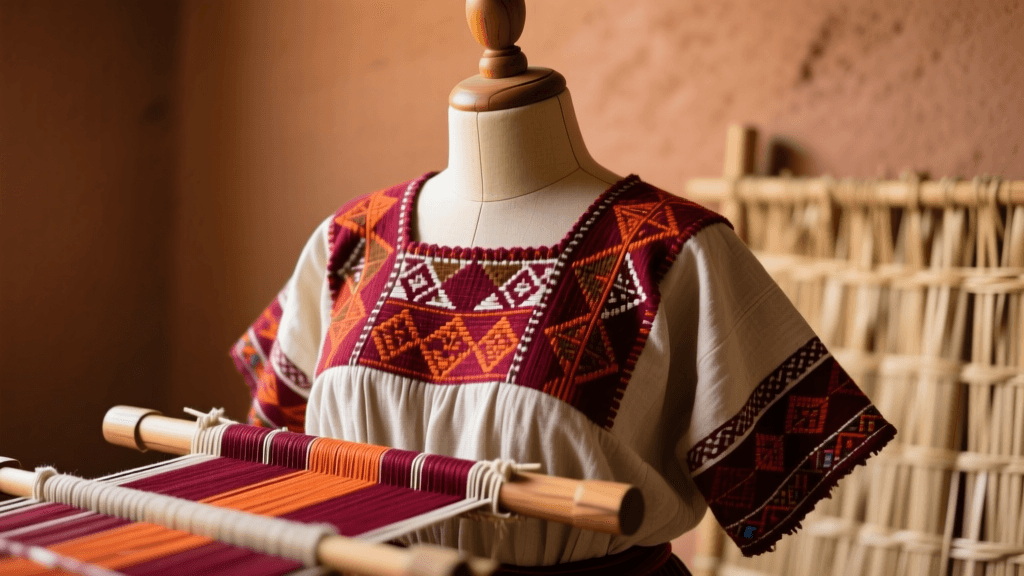
The huipil is far more than a traditional garment; it is a wearable codex, a geographical identifier, and a profound expression of Mayan cosmology. Worn by Indigenous women across Mesoamerica, the huipil serves as a visual language that communicates the wearer's village, marital status, and spiritual beliefs. As we navigate the global textile market in 2026, the demand for authentic, ethically sourced Latin American traditional garments has reached an all-time high. However, this surge in popularity brings a critical responsibility to support the artisans directly and avoid the mass-produced imitations that flood tourist markets.
For collectors, cultural historians, and conscious consumers, sourcing a genuine handwoven huipil requires an understanding of the intricate backstrap loom techniques, the natural dyeing processes, and the cooperative structures that protect these artisans today. This comprehensive 2026 guide will walk you through the mechanics of Mayan weaving, highlight the top ethical cooperatives, and provide actionable advice on fair-trade pricing and authentication.
The Mechanics of the Backstrap Loom
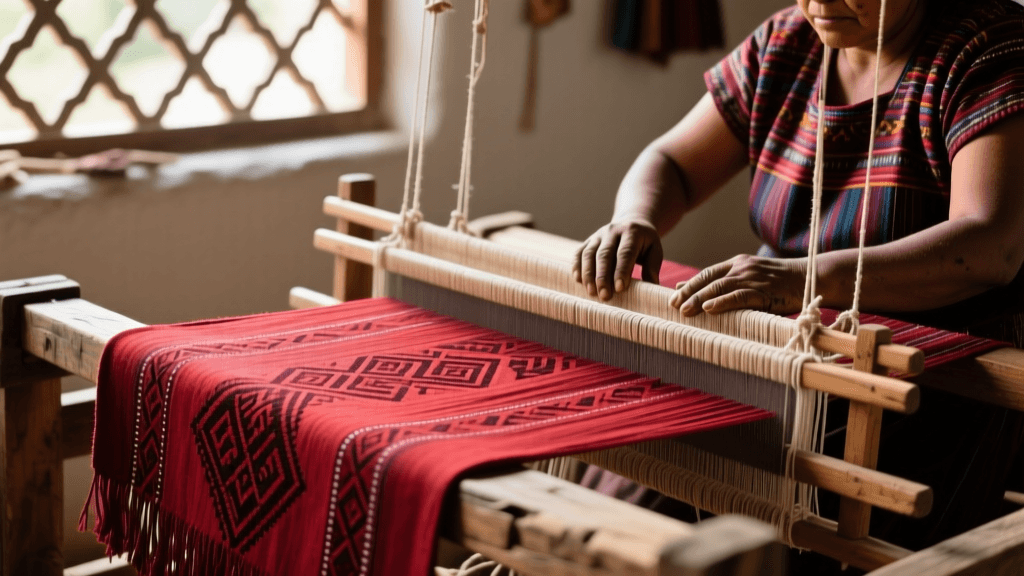
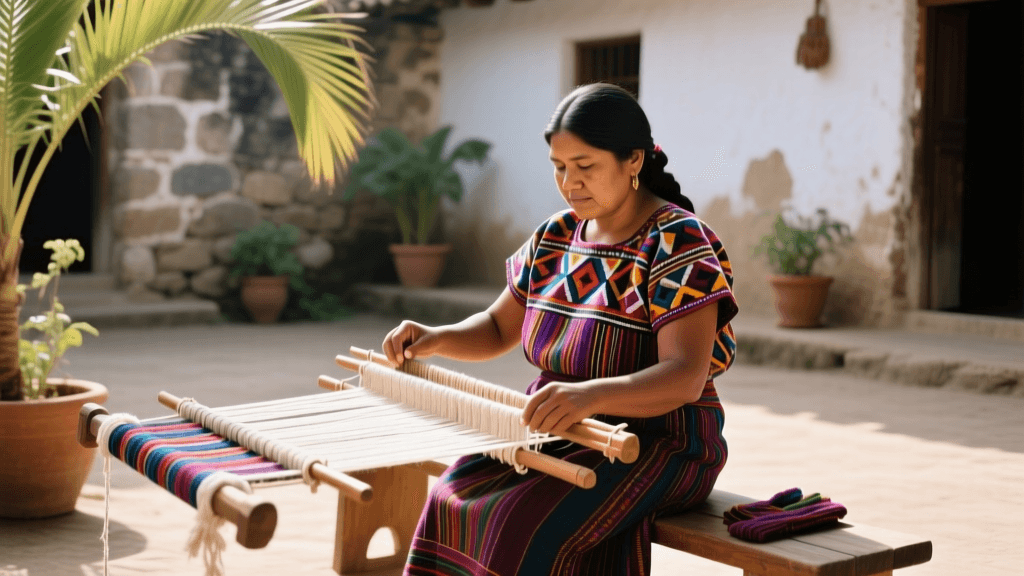
The soul of the authentic huipil lies in its creation on the telar de cintura, or backstrap loom. This pre-Columbian technology has remained largely unchanged for millennia, relying entirely on the weaver's body to create the necessary tension. One end of the loom is tied to a sturdy post or tree, while the other is secured around the weaver's lower back via a leather or wooden strap (the backstrap).
By leaning forward or backward, the artisan controls the warp tension with microscopic precision. This intimate physical connection allows for the creation of complex brocado (supplementary weft) patterns. Unlike embroidery, which is stitched onto a finished piece of fabric, brocade is woven directly into the textile as it is being created. In 2026, master weavers in the Guatemalan highlands continue to use hand-spun cotton and locally harvested natural dyes, though the integration of sustainably sourced, colorfast commercial threads has also become common for garments intended for international export.
Decoding the Cosmology: 2026 Motif Guide
Every motif woven into a traditional huipil holds deep spiritual significance. When sourcing a garment, understanding these symbols adds immense cultural value to your acquisition:
- The Diamond (El Rombo): Represents the universe and the sun's path. It is often composed of four smaller diamonds symbolizing the four cardinal directions.
- The Sapo (Toad): A vital agricultural symbol found predominantly in the highlands of Sololá and Chimaltenango, representing the coming of the rain and the fertility of the earth.
- The Quetzal: Guatemala's national bird, symbolizing liberty and the spiritual connection between the earthly realm and the heavens.
- The Tree of Life: Often depicted with intertwining branches and birds, representing the connection between the underworld (Xibalba), the earthly plane, and the sky.
Top Ethical Weaving Cooperatives in Guatemala
In 2026, the most reliable way to ensure your purchase directly benefits Indigenous women is to buy through established, women-led cooperatives. These organizations provide fair wages, healthcare access, and business education. Below is a curated directory of the most respected cooperatives currently operating in the region.
| Cooperative Name | Location | Specialty Technique | 2026 Fair-Trade Price Range (USD) |
|---|---|---|---|
| Trama Textiles | San Juan La Laguna, Sololá | Natural dyeing (indigo, sacatinta) and backstrap brocade | $120 - $350 |
| Maya Traditions Foundation | Various (San Juan La Laguna, San Marcos La Laguna) | Complex multi-panel ceremonial huipiles and pedestal weaving | $180 - $600+ |
| Casa Flor Ixcaco | San Juan La Laguna, Sololá | Organic cotton cultivation and ancestral botanical dyes | $150 - $450 |
| Asociación Maya | Nebaj, Quiché | Ikat (jaspe) tie-dye warp patterns and intricate geometric brocade | $200 - $500 |
Navigating Cultural Intellectual Property in 2026
One of the most significant developments in the Latin American textile space over the last few years has been the push for collective intellectual property rights. Historically, international fashion houses have appropriated Mayan motifs without compensation or credit. As of 2026, organizations like Cultural Survival have been instrumental in supporting Indigenous communities in Guatemala to legally register their collective textile designs. When sourcing a huipil, ethical buyers now look for cooperatives that hold certifications of origin, ensuring that the specific village's patterns are protected and that profits are reinvested into the community's legal and educational funds.
Fair Trade Pricing: What to Expect in 2026
A genuine, handwoven huipil is an investment in human labor and ancestral knowledge. A standard three-panel ceremonial huipil can take anywhere from three to six months of daily weaving to complete. In 2026, the baseline fair-trade wage for a master weaver in the Guatemalan highlands has adjusted to reflect both inflation and the true value of specialized labor.
If you encounter a 'handwoven' huipil selling for $30 to $50 in a market or online boutique, it is almost certainly either machine-made, woven on a foot-pedal loom (which is faster but lacks the traditional backstrap tension and brocade integration), or the weaver has been severely underpaid. Expect to pay a minimum of $120 for a daily-use, single-panel cotton huipil, and upwards of $400 for a multi-panel, natural-dyed ceremonial piece sourced directly from a reputable cooperative like the Maya Traditions Foundation.
How to Authenticate Handwoven Textiles
When evaluating a huipil, whether in person in Antigua or ordering online from a cooperative, use these authentication markers to verify its backstrap loom origins:
- Examine the Reverse Side: True supplementary weft brocade will show a 'negative' or slightly messy version of the pattern on the inside of the garment. Machine embroidery or post-weave hand embroidery will look identical (or have distinct backing threads) on the reverse.
- Check the Selvage Edges: Backstrap woven panels have finished selvage edges that are naturally bound by the continuous warp thread. If the fabric has been cut and hemmed with a sewing machine, it was likely woven on a foot-loom or power loom.
- Feel the Tension Irregularities: Because the tension is controlled by the weaver's body, authentic textiles often have microscopic variations in the tightness of the weave. This is not a flaw; it is the hallmark of human craftsmanship.
- Inspect the Seams: Traditional huipiles are made by weaving two or three separate panels and joining them with a decorative hand-stitched seam called a randa. Machine stitching indicates mass production.
Caring for Your Handwoven Garment
Proper care ensures that your ethically sourced textile lasts for generations. For huipiles woven with natural dyes and hand-spun cotton, avoid harsh chemical detergents and machine washing. Instead, hand wash the garment in cold water using a pH-neutral soap or a specialized textile wash. Never wring or twist the fabric; gently press the water out between two clean towels and lay it flat to dry in the shade, as direct sunlight will rapidly fade natural botanical dyes like indigo and marigold.
When storing your huipil, fold it with acid-free tissue paper to prevent hard creases from breaking the cotton fibers over time. By understanding the profound history, supporting the cooperatives profiled above, and respecting the intellectual property of Mayan artisans, you participate in the sustainable preservation of one of the Americas' most vital Indigenous textile traditions.