LDS Temple Garments 2026: Sacred Meaning & Modern Styles
The Tapestry of Religious Dress in the Americas
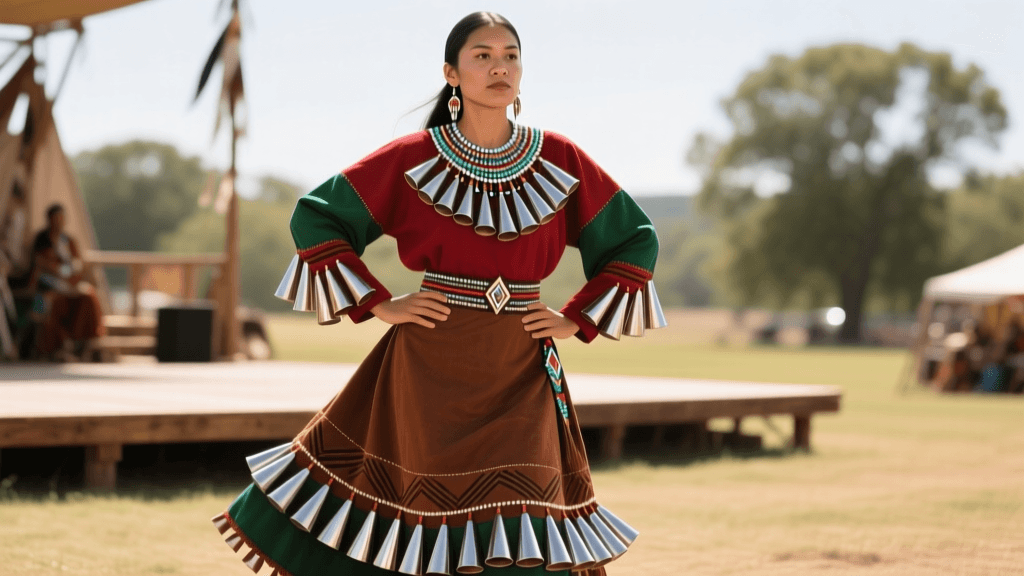
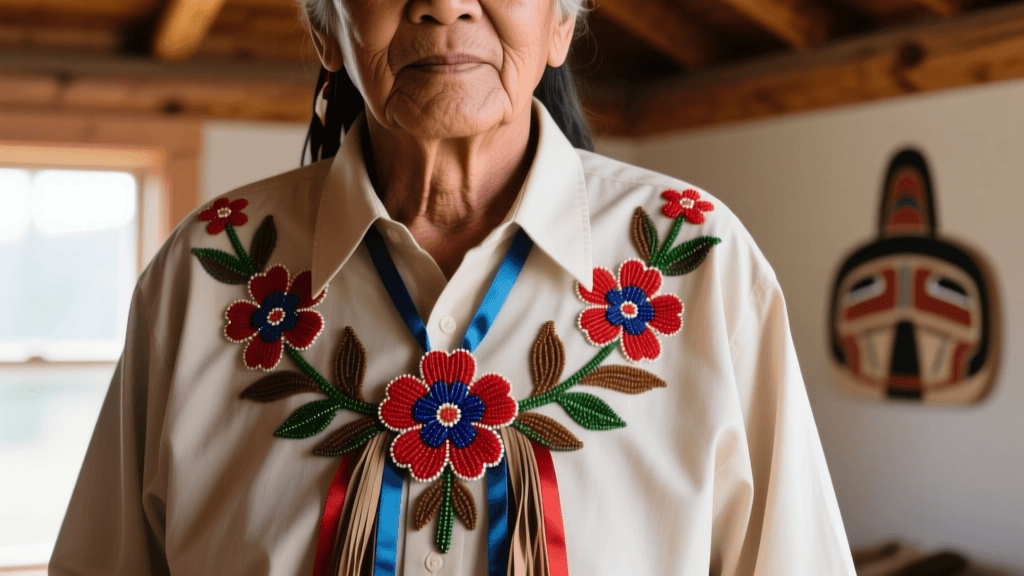
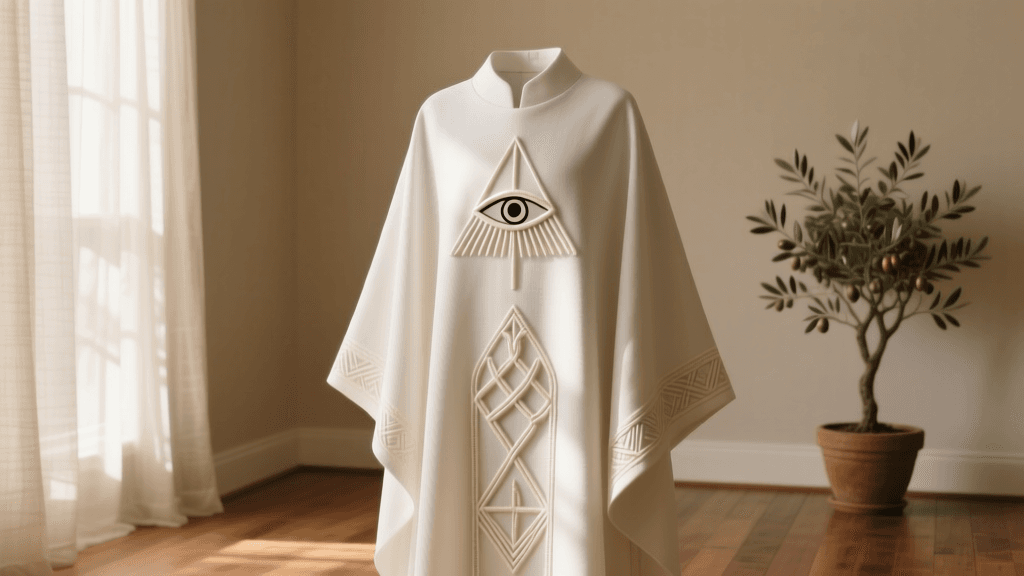
The Americas encompass a vast and intricate tapestry of cultural, indigenous, and religious clothing traditions. From the intricate beadwork and ceremonial regalia of Native American tribes to the vibrant, hand-woven textiles of Latin American artisans, clothing in this hemisphere often transcends mere utility. It serves as a profound marker of identity, spiritual belief, and community belonging. Within this rich landscape of American religious dress, few garments are as widely discussed, yet frequently misunderstood, as the temple garments worn by members of The Church of Jesus Christ of Latter-day Saints (often referred to as the LDS or Mormon Church). As we navigate the cultural and religious landscape of 2026, understanding the sacred meaning, historical evolution, and modern textile innovations of these garments provides a fascinating window into how ancient covenants intersect with contemporary daily life.
Religious Meaning and Sacred Symbolism
To comprehend the cultural significance of the temple garment, one must first look past the physical fabric and focus on its spiritual intent. For endowed members of the Church, the garment is not a mere undergarment, nor does it possess any intrinsic magical properties—a common misconception perpetuated by those outside the faith. Instead, it functions as a deeply personal, private reminder of the sacred covenants made with God inside the temple. Much like the Jewish tallit katan (fringed undershirt) or the Sikh kara (steel bracelet), the LDS temple garment is an article of faith worn directly on the body. It serves to promote modesty, provide a continuous physical reminder of spiritual promises, and offer a sense of divine protection and comfort to the wearer. According to the Church's General Handbook, sacred temple clothing is worn as a reminder of the covenants made in the temple, and members are encouraged to wear it throughout their lives.
The garment features specific, woven-in markings that hold deep allegorical meaning for the wearer. While the exact rituals of the temple remain private and sacred, the general symbolism of these marks has been discussed in public Church forums. The compass represents truth and the importance of staying on the correct spiritual path. The square symbolizes honor, integrity, and moral uprightness. The navel mark serves as a reminder of the continuous need for spiritual nourishment and life, while the knee mark represents reverence, prayer, and submission to the divine will. These symbols transform a simple piece of clothing into a wearable catechism.
Historical Evolution: From Nauvoo to 2026
The historical origins of the garment trace back to the early 1840s in Nauvoo, Illinois, during the foundational years of the Church. The Prophet Joseph Smith introduced the temple endowment and the associated clothing to a small group of close associates before his martyrdom in 1844. Historical archives, such as those meticulously preserved by The Joseph Smith Papers project, reveal that early garments were quite different from their modern counterparts. Originally, they were full-body, one-piece union suits made of heavy cotton or wool, featuring long sleeves and legs that extended to the wrists and ankles.
Over the decades, as global fashion, climate needs, and textile manufacturing evolved, the Church gradually authorized modifications to the garment's cut and length. By the mid-20th century, the two-piece style (a separate top and bottom) became the standard, and sleeve lengths and hemlines were adjusted to accommodate the practical realities of modern life, military service, and global missionary work. Today, in 2026, the intersection of sacred tradition and modern textile engineering has reached new heights, ensuring members in diverse global climates can observe their covenants comfortably.
2026 Textile Innovations and Style Guide
The Church’s Distribution Services continuously researches and develops new fabric blends to meet the demands of modern living. The 2026 catalog reflects a sophisticated approach to modesty and comfort, offering a variety of styles tailored to different lifestyles, body types, and environmental conditions. Below is a comparison of the primary garment styles available to members in 2026:
| Fabric Type | Best For | 2026 Price Range | Key Features |
|---|---|---|---|
| 100% Cotton | Sensitive skin, traditional preference | $8.50 - $9.50 | Breathable, classic fit, highly durable |
| Cotton/Modal Blend | Everyday wear, office environments | $9.50 - $11.00 | Softer drape, resists shrinking, lightweight |
| Performance Stretch | Athletics, high-humidity climates | $11.00 - $12.50 | Moisture-wicking, 4-way stretch, anti-odor |
| Lightweight Mesh | Extreme heat, tropical travel | $10.00 - $11.50 | Maximum airflow, quick-drying, ultra-thin |
Care, Maintenance, and Reverence
Caring for these sacred items requires a balance of practical laundry knowledge and spiritual reverence. In 2026, with the prevalence of elastane and advanced modal blends in the performance lines, members are advised to wash their garments in cold or warm water using eco-friendly, gentle detergents. High-heat tumble drying is strongly discouraged, especially for the stretch and mesh fabrics, as it degrades the moisture-wicking fibers and compromises the elasticity over time.
When a garment becomes worn, torn, or no longer usable, it is not simply thrown in the recycling bin or donated to a thrift store. The established protocol requires members to carefully cut out the sacred markings and destroy them privately. The remaining, unmarked fabric can then be disposed of or repurposed respectfully. This meticulous process underscores the deep reverence members hold for the symbols woven into the cloth, ensuring that the sacred elements are never treated as common refuse.
Sourcing and Purchasing in the Modern Era
Acquiring temple garments is a process restricted to those who have participated in the temple endowment. In 2026, members can purchase these items through physical Deseret Book locations, local Church distribution centers, or via the official online Church store. The online portal has seen significant user experience upgrades this year, allowing members to filter by fabric type, climate need, and specific modesty cuts—such as the 'caraco' style for women or the 'low-profile' waistbands for men.
Pricing in 2026 remains heavily subsidized to ensure global accessibility, with individual tops and bottoms generally ranging from $8.50 to $12.50 depending on the textile complexity. Furthermore, the Church provides financial assistance programs for members in developing nations or those facing economic hardship, ensuring that the cost of sacred clothing never becomes a barrier to religious participation or temple attendance.
Cultural Impact on Modesty and Fashion
The cultural impact of the temple garment extends far beyond the individual wearer; it actively shapes the broader modesty standards and fashion choices of the Latter-day Saint community. In 2026, many LDS-owned clothing brands and independent designers specifically create outerwear tailored to accommodate the garment's neckline and sleeve lines. This has fostered a unique, thriving niche within the American fashion industry, where 'temple-ready' clothing is a recognized and highly sought-after category. From professional business attire to athletic wear, the market has adapted to ensure that members do not have to compromise their religious commitments for modern style.
Ultimately, the LDS temple garment stands as a profound testament to the enduring human desire to weave the sacred into the fabric of the everyday. It is a quiet, hidden expression of faith that connects millions of individuals across the Americas and the globe to their deepest spiritual aspirations, bridging the gap between 19th-century pioneer history and the dynamic, fast-paced reality of 2026.