Jingle Dress Regalia Guide 2026: Materials & Etiquette
The Origins and Spiritual Significance of the Jingle Dress
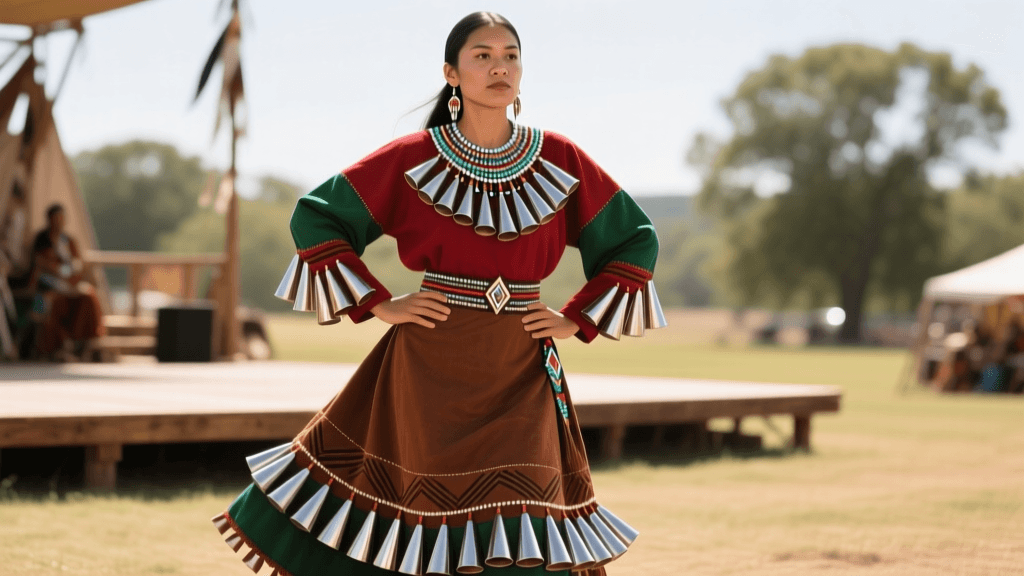
The jingle dress is far more than a beautiful garment; it is a profound symbol of healing, resilience, and spiritual power within Native American communities. Originating among the Ojibwe (Chippewa) people in the early 20th century, the dress was born from a vision. According to oral traditions, a medicine man was given a vision of a dress adorned with metal cones that, when danced in, would produce a sound like rain on a tin roof. This sound was meant to call upon the spirits to heal his ailing daughter. When the dress was created and the dance performed, the child recovered. Today, as we navigate the 2026 powwow season, the jingle dress remains a revered healing dress, and the women who dance in it are often viewed as carriers of medicine and prayers for their communities.
Over the decades, the jingle dress dance evolved from a localized Ojibwe healing ceremony into a staple of the intertribal powwow circuit. While the core spiritual elements remain intact, the construction, fabrics, and stylistic expressions have adapted. In 2026, dancers balance the heavy historical weight of the regalia with modern material innovations, ensuring they can compete in multi-day events while honoring the sacred origins of the dance.
Essential Materials for 2026 Regalia Construction
Creating a jingle dress requires a deep understanding of textiles, metalwork, and traditional design. The regalia consists of the base dress, the metal jingles (cones), ribbon appliqué, and accompanying accessories like a beaded belt, moccasins, and a feather fan. Selecting the right materials is crucial for both the visual impact and the acoustic resonance of the dress.
Fabric and Ribbon Selection
The foundation of a traditional jingle dress is typically a solid-colored broadcloth, cotton, or satin. In 2026, there is a strong trend toward sustainable, high-thread-count cotton broadcloths that offer breathability during intense summer powwows. Colors hold personal and spiritual significance; while red, black, blue, and green are traditional, dancers today often select hues that represent their specific clan, family lineage, or personal healing journey. Ribbon appliqué, heavily influenced by Great Lakes tribes like the Potawatomi and Osage, is used to create intricate geometric or floral patterns along the hem, sleeves, and yoke. Modern sewists frequently use high-quality polyester-cotton blend ribbons that resist fraying and maintain their vibrant colors after repeated washing and travel.
The Jingles: Metal Cones Comparison Chart
The defining feature of the regalia is the jingle. Historically, these were crafted from the rolled lids of snuff cans. Today, artisans use a variety of metals, each offering a distinct sound profile, weight, and aesthetic. The sound of the jingles hitting one another is meant to mimic the sound of rain, a vital element for cleansing and healing. Below is a comparison of the most popular cone materials used by regalia makers in 2026.
| Cone Material | Sound Profile | Weight (per 100 cones) | 2026 Avg. Cost | Best For |
|---|---|---|---|---|
| Rolled Tin (Traditional) | Sharp, bright, authentic rain sound | 1.2 lbs | $45 - $65 | Traditional dancers, healers |
| Aluminum (Lightweight) | Softer, higher pitch, less resonant | 0.6 lbs | $30 - $45 | Youth dancers, multi-day competitions |
| Copper (Hand-Rolled) | Deep, mellow, rich resonance | 1.5 lbs | $80 - $120 | Special ceremony dresses, heirloom pieces |
| Brass (Machine-Stamped) | Loud, piercing, highly projected | 1.4 lbs | $55 - $75 | Large outdoor arenas, fancy style |
For a standard adult dress, a dancer will need anywhere from 400 to 800 cones, depending on the size of the dress and the density of the rows. The choice of metal drastically affects the physical toll on the dancer; aluminum is increasingly popular in 2026 for those who travel the 'powwow trail' and need to minimize joint strain over long weekends.
Step-by-Step Construction and Spacing Techniques
The construction of a jingle dress is a labor-intensive process that can take hundreds of hours. The base dress is usually cut in a simple, straight-shift style with long sleeves and a high neckline, though contemporary variations may feature flared skirts or v-neck yokes. The most critical technical aspect is the placement of the jingles.
Jingles are typically sewn onto the dress in staggered, vertical rows. The standard spacing is about one inch apart vertically, with rows spaced two to three inches apart horizontally. This staggered grid ensures that when the dancer moves, the cones strike each other freely without tangling. Artisans use heavy-duty upholstery thread or sinew to attach the cones, as standard cotton thread will quickly snap under the repetitive stress of the metal rubbing against the fabric. Each cone is rolled tightly around a dowel or specialized jig to ensure uniformity, and a small loop is formed at the top for sewing.
In 2026, many regalia makers utilize reinforced interfacing behind the broadcloth where the jingles are attached. Because hundreds of metal cones can add 15 to 25 pounds to the garment, the interfacing prevents the fabric from stretching, tearing, or sagging at the hemline, ensuring the dress maintains its structural integrity during the vigorous footwork of the dance.
Sourcing Authentic Components
As the popularity of Native American regalia grows, so does the market for mass-produced, culturally appropriated imitations. When sourcing materials, it is vital to support Native artisans and businesses. Purchasing hand-rolled cones, beaded belts, and moccasins directly from Indigenous creators not only ensures high quality but also supports the tribal economies that keep these traditions alive.
Buyers and makers should always verify the authenticity of their purchases. The Indian Arts and Crafts Board, a federal agency within the U.S. Department of the Interior, enforces the Indian Arts and Crafts Act, which makes it illegal to misrepresent Native American-made goods. When shopping for regalia components online or at powwow vendor rows in 2026, look for artisans who are enrolled members of state or federally recognized tribes, and do not hesitate to ask about the origins of the materials and the craftsmanship.
Modern Powwow Etiquette and Arena Protocols
Wearing a jingle dress comes with significant cultural responsibilities. According to cultural exhibitions and educational resources provided by the Smithsonian National Museum of the American Indian, the jingle dress is deeply tied to community wellness, and dancers are often asked to pray for those who are sick or grieving. Therefore, the regalia is treated with the utmost respect. It should never be worn as a 'costume' for Halloween, theatrical performances, or non-ceremonial parties.
When attending a powwow in 2026, spectators and fellow dancers must adhere to strict arena etiquette. The jingle dress dance is often categorized into 'Traditional' and 'Contemporary' styles. Traditional dancers keep one foot on the ground at all times, executing a graceful, gliding step that keeps the jingles in a continuous, rhythmic sway. Contemporary dancers may incorporate more athletic footwork, spins, and pauses. Spectators should never touch a dancer's regalia without explicit permission, as the items are often blessed and hold personal medicine.
Photography is generally permitted during the Grand Entry and intertribal dances, but if a jingle dancer is performing a specific healing dance or if the emcee announces a 'no photography' protocol for a special song, all cameras and phones must be put away immediately. Furthermore, if a dancer drops a feather or a piece of their regalia in the arena, the music stops, and a specific retrieval ceremony is conducted. Spectators must never pick up dropped items themselves; doing so is considered a severe breach of protocol.
Conclusion
The jingle dress remains one of the most powerful and visually stunning expressions of Indigenous culture in the Americas. As we move through 2026, the integration of modern, lightweight materials and sustainable fabrics has made the dress more accessible and comfortable for a new generation of dancers, without compromising the sacred acoustic and spiritual elements that define it. Whether you are a seasoned regalia maker, a new dancer stepping into the arena for the first time, or a respectful spectator, understanding the materials, construction, and profound etiquette of the jingle dress ensures that this beautiful healing tradition continues to resonate for generations to come.