LDS Temple Garments: Religious Meaning and Culture 2026
The Sacred Thread: Understanding LDS Temple Garments
For members of The Church of Jesus Christ of Latter-day Saints, the temple garment is far more than a simple undergarment; it is a profound, deeply personal symbol of faith, commitment, and spiritual protection. Often referred to simply as 'garments' or 'sacred clothing,' these garments are worn by adult members who have participated in the temple endowment ordinance. As we navigate the diverse cultural landscapes of the Americas in 2026, understanding the religious meaning of these garments—particularly through the lens of Indigenous and Latin American Latter-day Saints—reveals a beautiful intersection of personal theology and cultural heritage.
The garment serves as a constant, physical reminder of the covenants made with God. Unlike outward religious symbols that are displayed publicly, the temple garment is worn beneath everyday clothing. This hidden nature emphasizes the deeply personal and intimate relationship between the wearer and the Divine. It is a private commitment in a public world, offering spiritual armor against the distractions and challenges of modern life.
Religious Symbolism and the Marks of the Covenant
The religious significance of the garment is anchored in the specific symbols, or 'marks,' woven or embroidered into the fabric. These marks are not considered magical talismans; rather, they are visual teaching tools that point the wearer's mind toward eternal truths and moral obligations. According to the Church's General Handbook, these symbols remind members of their promises to live righteously and honor their covenants.
The primary marks found on the temple garment include:
- The Square: Represents honor, integrity, and loyalty. It reminds the wearer to keep their thoughts and actions aligned with moral purity and to stand firm in their commitments.
- The Compass: Symbolizes an undeviating course toward eternal truth. It serves as a reminder to keep one's life directed toward God and to avoid the wandering paths of temptation.
- The Navel: Represents the need for continual spiritual nourishment. Just as the physical body requires sustenance, the soul requires constant feeding through prayer, scripture study, and communion with the Holy Spirit.
- The Knee: A symbol of reverence, humility, and prayer. It reminds the wearer to bow the knee to God in supplication and to maintain a posture of spiritual humility in all aspects of life.
For Indigenous members across the Americas, these symbols often resonate deeply with pre-existing cultural frameworks that value directional alignment, reverence for the earth, and the necessity of spiritual sustenance. The garment becomes a bridge, translating ancient LDS theology into a deeply felt, daily practice.
Indigenous and Latin American Cultural Intersections
In the Americas, the intersection of LDS theology and Indigenous cultural heritage creates a unique tapestry of faith. For Native American, First Nations, and Mesoamerican Latter-day Saints, clothing has historically held immense spiritual and societal weight. Traditional regalia, woven textiles, and ceremonial dress are often viewed as extensions of the self, carrying the stories, prayers, and identities of their ancestors.
For the Diné (Navajo) Latter-day Saints, the concept of Hózhó—which encompasses balance, beauty, harmony, and peace—is central to their worldview. Many Diné members view the wearing of the temple garment as a vital component of maintaining personal Hózhó. The garment's emphasis on purity, moral alignment, and spiritual protection aligns seamlessly with the Indigenous pursuit of walking in beauty and maintaining harmony with the Creator and the natural world.
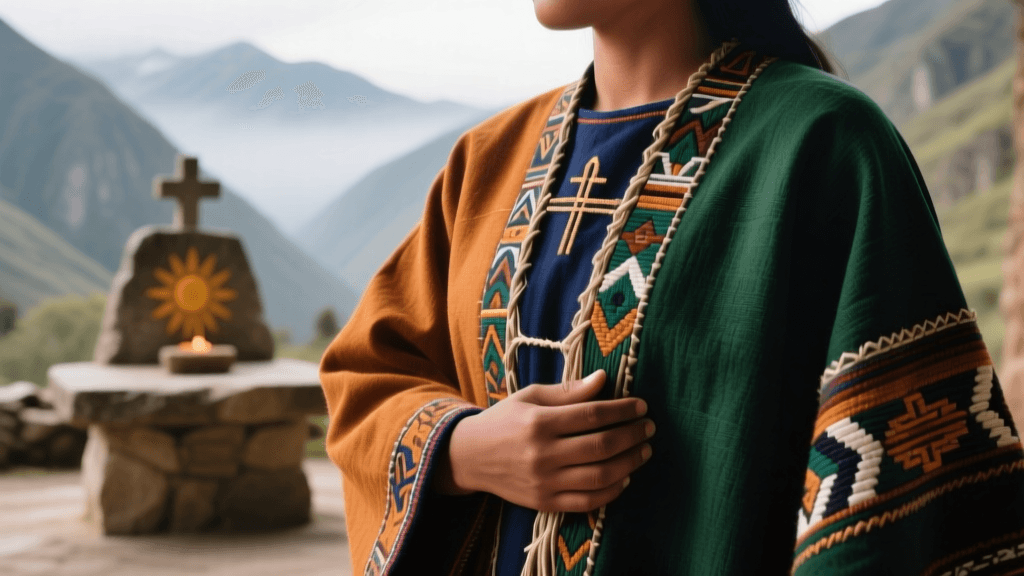
Similarly, among Maya and Quechua Latter-day Saints in Mesoamerica and the Andes, traditional textiles are deeply sacred. The intricate patterns of a huipil or an Andean aguay represent the cosmos, community identity, and spiritual protection. When these members wear the temple garment beneath their traditional cultural dress, they are layering their sacred covenants. The garment remains hidden, honoring the LDS principle of modesty and privacy, while the outer cultural regalia proudly displays their Indigenous heritage during community dances, festivals, and family gatherings. This dual expression allows Indigenous members to fully embrace their ancestral roots while remaining steadfast in their religious covenants.
2026 Fabric Innovations and Climate Adaptations
The Americas encompass a staggering variety of climates, from the freezing Arctic tundra of Northern Canada to the sweltering, humid rainforests of the Amazon basin. Recognizing this geographic diversity, the Church has continually updated its garment offerings. As of 2026, members purchasing through the official Church distribution store have access to a highly engineered selection of fabrics designed to ensure comfort, modesty, and durability in any environment.
Choosing the right fabric is essential for members living in extreme climates, ensuring that the sacred garment remains a comfort rather than a physical burden.
| Fabric Type (2026 Options) | Material Composition | Best Suited Climates & Regions | Key Features & Benefits |
|---|---|---|---|
| Classic Cotton | 100% Combed Cotton | Temperate zones, US Midwest, Andean valleys | Highly breathable, traditional feel, durable, excellent for sensitive skin. |
| Modal Blend | Modal / Spandex Blend | Urban environments, coastal regions, everyday wear | Exceptionally soft, drapes well, resists shrinking, maintains shape after washing. |
| Performance Mesh | Moisture-Wicking Polyester | Mesoamerican tropics, Amazon basin, US Southwest summers | Ultra-lightweight, rapid sweat evaporation, anti-microbial properties, cooling effect. |
| Stretch Cotton | Cotton / Elastane Blend | Active lifestyles, physical labor, mountainous terrain | Form-fitting, high mobility, prevents bunching under heavy traditional regalia. |
For Indigenous members participating in rigorous traditional dances—such as the Fancy Dance or the Sun Dance, which require immense physical exertion—the 2026 Performance Mesh and Stretch Cotton options have been revolutionary. These fabrics allow members to honor their religious covenants without compromising their ability to fully participate in their cultural traditions, even in high-heat environments.
Purchasing, Care, and Respectful Disposal
In 2026, acquiring temple garments is more accessible than ever for members across the Americas. While physical distribution centers remain attached to many temples, the vast majority of members utilize the Church's secure online portal. Garments are shipped discreetly in plain packaging to respect the sacred and private nature of the clothing. A standard two-piece set typically retails between $22 and $28, depending on the fabric technology selected, making them an affordable investment in one's spiritual life.
Caring for the garments is treated with the same reverence as wearing them. They are washed separately or with care, and always handled respectfully. However, the most culturally significant aspect of garment care for many Indigenous members is the disposal process. According to current Church guidelines, when a garment is worn beyond repair, the sacred marks must be carefully cut out and destroyed. The remaining fabric can then be discarded in the trash, or, if local customs dictate, burned or buried.
For many Native American and First Nations members, the option to burn the retired fabric is deeply meaningful. In numerous Indigenous traditions across the Americas, fire is a sacred element that purifies and returns physical items to the spirit world. Burning a retired garment, after the marks have been removed, allows Indigenous members to dispose of the sacred clothing in a manner that honors both LDS handbook guidelines and their ancestral traditions of respecting ceremonial items. This beautiful syncretism highlights how the gospel adapts to and respects the cultural nuances of its diverse membership.
Conclusion
The cultural significance and religious meaning of LDS temple garments in the Americas extend far beyond the fabric itself. They represent a quiet, unwavering commitment to God that weaves seamlessly into the rich, vibrant tapestries of Indigenous and Latin American life. As we look through the lens of 2026, the continued evolution of garment fabrics ensures that members from the Arctic to the Amazon can wear their covenants comfortably. Ultimately, the temple garment stands as a unifying thread, binding diverse cultures together in a shared, sacred promise.