Buying Authentic Baby Alpaca Garments in Cusco: 2026 Guide
The 2026 Landscape of Andean Alpaca Textiles
Cusco remains the undisputed beating heart of Andean textile arts in 2026. As global demand for sustainable, traceable luxury fibers reaches an all-time high, the market for authentic alpaca garments has surged dramatically. However, this booming interest has also flooded the San Pedro Market, the Plaza de Armas, and surrounding artisan alleys with synthetic acrylic blends masquerading as pure alpaca. For serious collectors, ethical fashion buyers, and cultural enthusiasts, distinguishing genuine baby alpaca from synthetic imposters is an essential skill.
This comprehensive 2026 buyer's guide provides actionable metrics, current pricing benchmarks, and tactile field tests to ensure your Andean textile investments are authentic, ethically sourced, and culturally significant. Whether you are hunting for a hand-woven lliclla (manta) or a luxuriously soft poncho, understanding the nuances of Andean fiber is your first line of defense against tourist traps.
Decoding Alpaca Fiber Grades: 2026 Market Standards
A common misconception among first-time buyers is that 'Baby Alpaca' refers to the fleece of a newborn animal. In reality, the term denotes the micron count (the microscopic diameter of the fiber). Baby alpaca is typically sheared from the softest underbelly of an adult alpaca or from a young alpaca's very first shearing. In 2026, the International Alpaca Association and local Peruvian cooperatives strictly enforce these micron classifications to protect the integrity of the luxury market.
Understanding these grades is critical when negotiating prices in Cusco. Below is the definitive 2026 grading chart and corresponding retail price expectations for standard woven ponchos and mantas.
| Fiber Grade | Micron Count | Characteristics | 2026 Garment Price Range (USD) |
|---|---|---|---|
| Royal Alpaca | Under 18 microns | Ultra-rare, cashmere-like, zero itch | $450 - $900+ |
| Baby Alpaca | 18 - 22 microns | Premium luxury, incredibly soft, fluid drape | $180 - $350 |
| Superfine Alpaca | 22 - 25 microns | High quality, durable, slight texture | $90 - $160 |
| Adult / Huarizo | Over 25 microns | Coarser, heavier, ideal for structured outerwear | $40 - $85 |
Note: Prices reflect ethically sourced, hand-woven garments purchased directly from cooperatives or certified artisan shops in Cusco. Mass-produced factory items may be cheaper but lack cultural authenticity.
Field Identification: Tactile and Thermal Tests
When you are standing in a bustling market stall, you won't have a microscope to measure microns. Instead, master these three actionable field tests to verify authenticity on the spot.
1. The Temperature Test
Genuine alpaca fiber is highly thermoregulating and possesses a unique thermal conductivity. When you press a true alpaca garment against your cheek or the inside of your wrist, it should feel distinctly cool to the touch initially. Synthetic acrylic blends, which trap heat and lack natural thermoregulation, will feel room temperature or slightly warm immediately upon contact.
2. The Weight and Drape Test
Alpaca fiber is denser and heavier than sheep's wool or acrylic. Pick up the garment; it should have a substantial, reassuring weight to it. Furthermore, genuine baby alpaca has a fluid, almost liquid drape. If you hold a corner of a poncho and let it fall, it should cascade smoothly. Acrylic blends tend to be stiff, lightweight, and hold rigid folds.
3. The Burn Test (Proceed with Caution)
If a vendor is confident in their product, they may allow you to perform a burn test on a single, loose thread pulled from an inner seam.
- Authentic Alpaca: Smells exactly like burning human hair. The flame will self-extinguish quickly, leaving behind a fine, crushable gray ash.
- Synthetic Acrylic: Smells like sweet, burning plastic. It will melt rapidly, produce black smoke, and leave behind a hard, black, uncrushable plastic bead.
The Revival of Natural Dyes and Andean Iconography
In 2026, the most prized textiles in Cusco are not just defined by their fiber, but by their color and symbolism. The revival of pre-Columbian natural dyeing techniques has become a major marker of authenticity and high-end artisanal value. Master weavers in the Sacred Valley and surrounding highlands utilize local flora and fauna to create vibrant, colorfast palettes that synthetic chemical dyes simply cannot replicate.
Traditional Natural Dye Sources
- Cochineal (Dactylopius coccus): A parasitic insect found on prickly pear cacti. When crushed and mixed with natural mordants like lemon juice or volcanic minerals, it yields brilliant reds, deep purples, and soft pinks.
- Chilca Leaves: A native Andean shrub that, when boiled, produces rich, earthy greens and deep yellows.
- Q'olle Flowers: A high-altitude tree flower that provides vibrant, sunlit yellows and golds.
- Indigo and Tara: Used in combination to create deep, complex blues and slate grays.
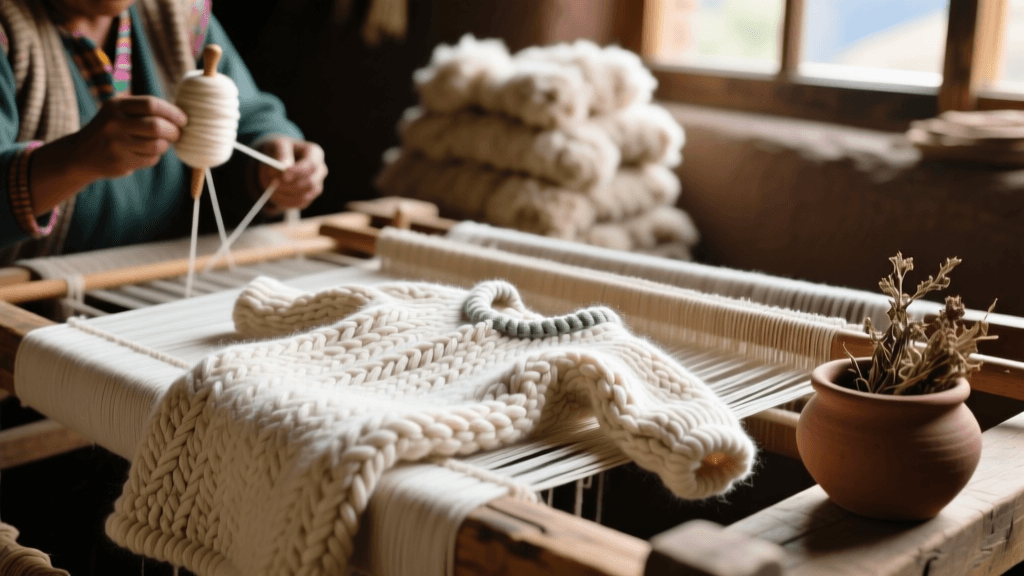
Beyond color, the pallay (the intricate, woven iconography) tells the story of the weaver's community. According to the Centro de Textiles Tradicionales del Cusco (CTTC), these motifs are not merely decorative; they are a complex visual language detailing Andean cosmology, agricultural cycles, and local mythology. A genuine hand-woven piece will feature slight, organic variations in the pallay, proving it was crafted on a traditional backstrap loom (away) rather than a mechanized factory loom.
Where to Source Authentic Textiles in Cusco (2026 Update)
Navigating Cusco's retail landscape requires knowing exactly where to go. Avoid the aggressive street vendors near the Plaza de Armas who offer '100% Baby Alpaca' sweaters for 50 Soles (roughly $13 USD). Given the raw material costs and the weeks of labor required, this price point is mathematically impossible for genuine fiber in 2026.
The Gold Standard: Centro de Textiles Tradicionales del Cusco (CTTC)
Founded by the visionary weaver Nilda Callañaupa Alvarez, the CTTC remains the premier destination for authentic, museum-quality textiles. Located on Avenida El Sol, this non-profit organization works directly with weaving cooperatives from nine traditional communities, including Chinchero, Pitumarca, and Accha Alta. Purchasing here guarantees that 100% of the fiber is authentic, the dyes are natural, and the weavers receive fair-trade compensation. Expect to pay premium prices (often $300 to $1,000+ USD for masterwork pieces), but you are investing in verified cultural preservation.
Direct-from-Village Cooperatives
For a more immersive experience, take a day trip to the weaving villages of the Sacred Valley. In Chinchero, the local women's cooperatives offer live demonstrations of backstrap weaving and natural dyeing. Buying directly from the weavers in these villages not only ensures authenticity but also injects capital directly into the indigenous communities. The Alpaca Owners Association frequently highlights the importance of traceable supply chains, noting that direct-to-artisan purchasing is the most effective way to combat the influx of counterfeit fibers in the global market.
Caring for Your Authentic Alpaca Garments
Once you have secured an authentic baby alpaca poncho or manta, proper care is essential to maintain its luxurious hand-feel and structural integrity. Alpaca fiber lacks lanolin, making it naturally hypoallergenic and resistant to dust mites, but it still requires gentle handling.
- Washing: Never machine wash. Hand wash in cold water using a mild, pH-neutral baby shampoo or specialized wool wash. Do not wring or twist the fabric; instead, gently press the water out.
- Drying: Lay the garment flat on a clean, dry towel in a shaded, well-ventilated area. Never hang wet alpaca, as the weight of the water will stretch and permanently distort the fibers.
- Storage: Store folded in a breathable cotton bag. Avoid plastic bins, which trap moisture and can lead to mildew. Include natural cedar blocks or dried lavender sachets to deter moths without introducing harsh chemical odors into the porous fiber.
Final Thoughts on Ethical Purchasing
Buying traditional Latin American garments in 2026 is about more than just acquiring a beautiful piece of clothing; it is an act of cultural participation. The indigenous weavers of the Andes have guarded their textile traditions through centuries of colonization and modern globalization. By educating yourself on fiber grades, demanding authenticity, and paying fair prices, you directly support the survival of these ancestral techniques. When you wrap yourself in a genuine, naturally dyed baby alpaca lliclla, you are wearing a living piece of Andean history, woven with intention, respect, and unparalleled artisanal mastery.