2026 Guide: Sourcing Indigenous Textiles in NYC and LA Garment Hubs
The 2026 Landscape of American Fashion Hubs
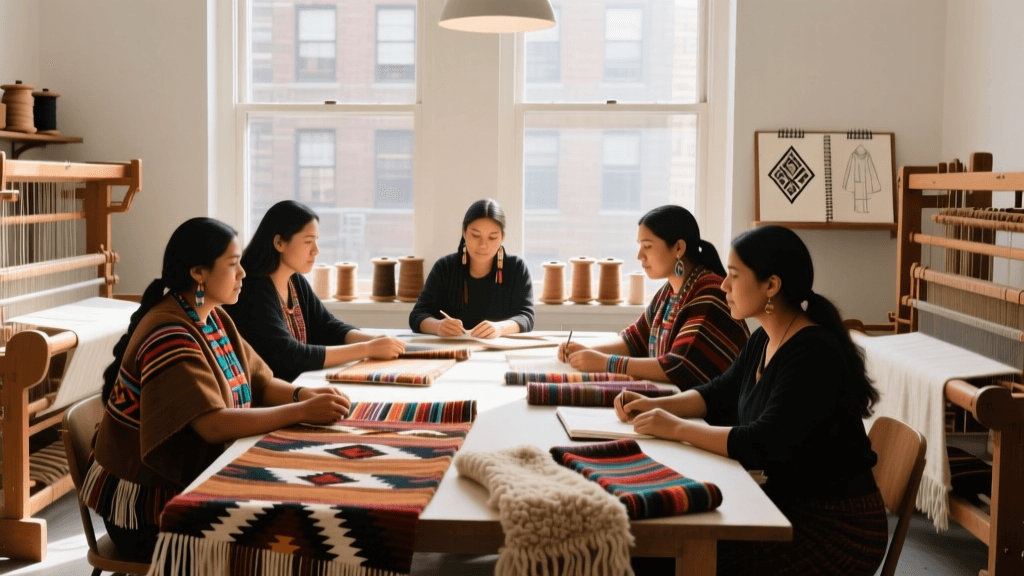
The global fashion industry in 2026 has undergone a massive paradigm shift, moving decisively away from mass-produced synthetic fabrics toward ethically sourced, culturally significant, and environmentally regenerative textiles. For designers, buyers, and cultural preservationists, the United States remains a critical nexus for the trade of Indigenous and Latin American garments. However, navigating the traditional fashion hubs—specifically the New York City Garment District and the Los Angeles Fashion District—requires an updated, highly specialized approach. The days of walking into a generic wholesale showroom and finding authentic Native American or Latin American artisan textiles are over. In 2026, sourcing these materials requires engaging with cooperative-backed importers, specialized ethical showrooms, and direct-to-hub artisan networks that prioritize cultural preservation and fair compensation.
This comprehensive guide explores how to navigate the NYC and LA garment districts in 2026 to source authentic Indigenous textiles, from Navajo-Churro wool weaves to Zapotec pedal-loom cotton, while strictly adhering to ethical sourcing standards and avoiding cultural appropriation.
Sourcing Native American Textiles in the NYC Garment District
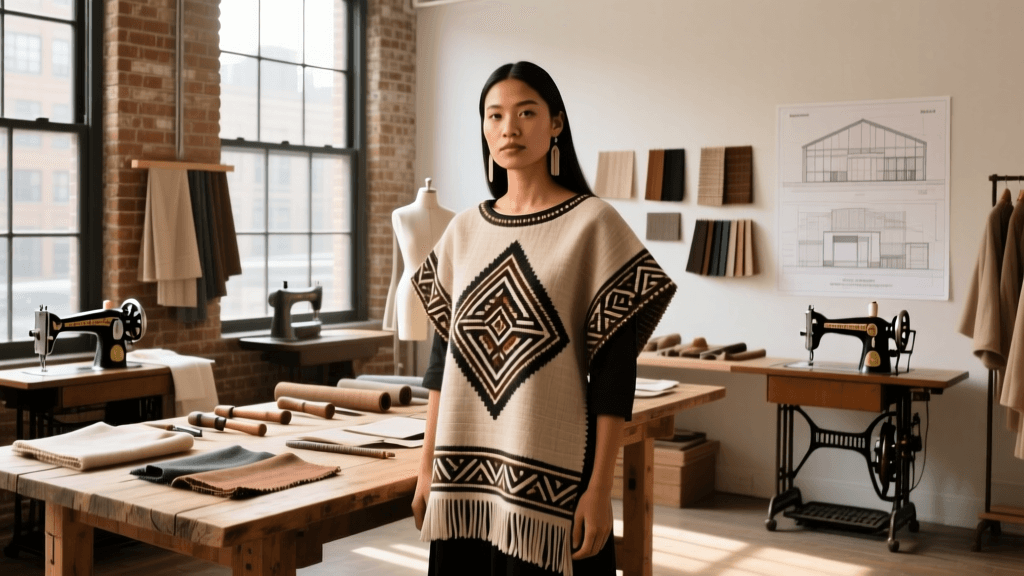
The Manhattan Garment District, historically centered around 34th to 42nd Streets, has evolved significantly by 2026. While much of the district has transitioned into tech and mixed-use commercial spaces, a dedicated corridor of ethical textile showrooms remains. For buyers seeking authentic Native American textiles, NYC is the premier hub for high-end, curated, and museum-quality materials. The focus here is heavily on Northern and Southwestern tribal textiles, particularly those utilizing traditional Navajo-Churro wool and naturally dyed Pueblo cotton.
In 2026, the most prominent showrooms in NYC operate under strict verification protocols aligned with the Indian Arts and Crafts Board. This ensures that every bolt of fabric, woven rug, or garment piece marketed as 'Native American' is authentically produced by enrolled members of federally or state-recognized tribes. Buyers visiting the district should schedule appointments with specialized cooperative liaisons who represent weaving collectives from the Diné (Navajo) Nation and the Hopi Tribe. These showrooms offer traceable supply chains, providing buyers with the exact lineage of the weaver, the origin of the wool, and the botanical sources of natural dyes like wild walnut hulls and sage.
When sourcing in NYC, expect premium pricing. The district caters to luxury fashion houses and high-end interior designers. A yard of hand-carded, hand-spun, and naturally dyed Churro wool tapestry weave can easily command upwards of $350 to $500 per yard in 2026, reflecting the hundreds of hours of artisanal labor and the regenerative grazing practices required to maintain the Churro sheep herds.
Latin American Artisan Hubs in the Los Angeles Fashion District
While NYC excels in high-end North American Indigenous textiles, the Los Angeles Fashion District is the undisputed epicenter for Latin American and South American artisan fabrics in 2026. Spanning the Wholesale District and the specialized ethical sourcing blocks near 9th and Maple, LA offers a more scalable, albeit highly regulated, approach to importing textiles from Mexico, Guatemala, Peru, and Bolivia.
The LA hub has seen a massive influx of Oaxacan and Chiapas backstrap-loom cottons, as well as Andean alpaca wools. In 2026, the most successful buyers in LA are those who partner with certified fair-trade importers. Showrooms affiliated with the Fair Trade Federation dominate the ethical sourcing blocks. These importers handle the complex logistics of cross-border trade, USMCA compliance, and artisan compensation, allowing designers to purchase authentic Zapotec wool rugs, Guatemala ikat (jaspe) cottons, and Peruvian baby alpaca knits without exploiting the makers.
LA is also the hub for innovative natural dyeing at scale. Several specialized dye houses in the district now partner directly with Oaxacan artisans to import raw cochineal and indigo, applying these ancient Mesoamerican dyes to modern, sustainable base fabrics like organic hemp and peace silk. This fusion of ancient Latin American dye techniques with contemporary sustainable bases is one of the most significant trends in the 2026 LA Fashion District.
2026 Pricing, MOQs, and Sourcing Comparison
Understanding the financial and logistical differences between NYC and LA is crucial for buyers planning their 2026 sourcing budgets. Below is a comparative table detailing the current market rates, Minimum Order Quantities (MOQs), and primary textile focuses for each hub.
| Textile Type | Origin / Artisan Group | 2026 Avg. Price (Per Yard) | Standard MOQ | Best Sourcing Hub |
|---|---|---|---|---|
| Handwoven Churro Wool Tapestry | Diné (Navajo) Nation | $350 - $500 | 10 Yards | NYC Garment District |
| Zapotec Pedal-Loom Wool | Teotitlán del Valle, Oaxaca | $85 - $140 | 50 Yards | LA Fashion District |
| Backstrap-Loom Ikat Cotton | Highland Maya Weavers, Guatemala | $60 - $95 | 100 Yards | LA Fashion District |
| Andean Baby Alpaca Jersey | Quechua Cooperatives, Peru | $110 - $160 | 30 Yards | LA Fashion District |
| Pueblo Hand-Spun Cotton | Hopi / Zuni Artisans | $250 - $400 | 5 Yards | NYC Garment District |
Note: Prices reflect 2026 wholesale rates for verified, ethically sourced, and naturally dyed materials. MOQs may be waived for emerging designers participating in hub-sponsored incubator programs.
Navigating Cultural Appropriation and Ethical Partnerships
The most critical aspect of sourcing Indigenous and Latin American textiles in 2026 is ensuring that the transaction is culturally respectful and economically equitable. The fashion industry has faced severe backlash in the past for appropriating sacred patterns and exploiting artisan labor. Today, resources like the Smithsonian National Museum of the American Indian provide vital frameworks for designers to understand the cultural significance of the motifs they wish to incorporate.
When sourcing in NYC or LA, buyers must adhere to the 'Made By, Not Just Inspired By' ethos. This means avoiding the extraction of sacred ceremonial patterns for mass-market apparel. Instead, ethical buyers in 2026 focus on purchasing finished garments directly from the artisans, or licensing non-sacred, everyday textile structures (like a standard diamond weave or a utilitarian stripe) while ensuring royalties are paid back to the community cooperative. Furthermore, the Indian Arts and Crafts Act strictly prohibits the misrepresentation of Native American-made goods. Buyers must ensure their marketing materials accurately reflect the tribal affiliation of the makers, avoiding vague terms like 'Native-inspired' or 'Southwest tribal' when selling authentic goods.
Actionable 2026 Sourcing Itinerary for Buyers
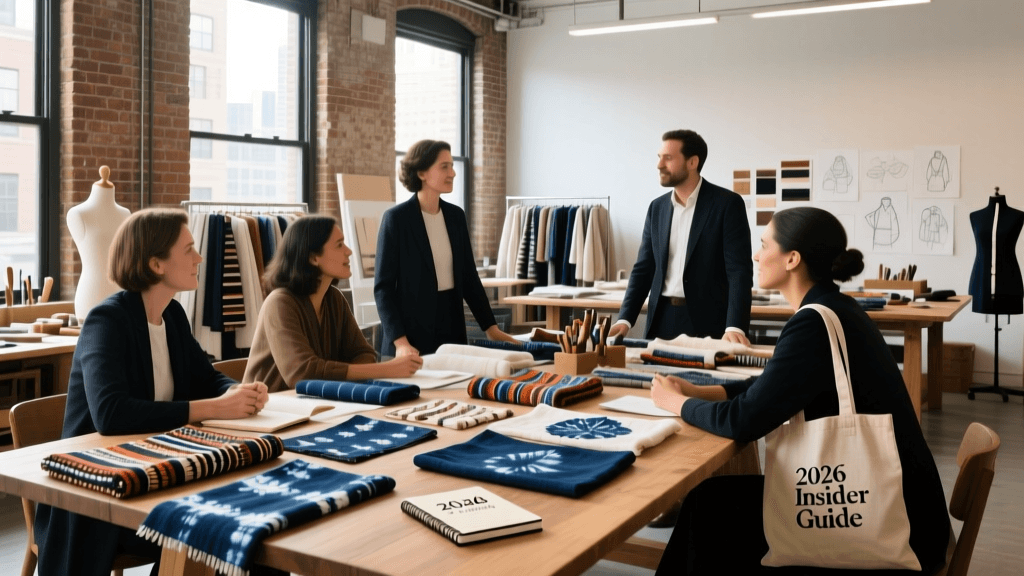
To maximize efficiency and build meaningful relationships with suppliers, follow this structured three-day itinerary for navigating the American fashion hubs:
- Day 1: NYC Cooperative Showrooms (Midtown Manhattan). Focus on high-end, low-volume Native American wools and cottons. Schedule morning appointments with Diné weaving liaisons. Spend the afternoon reviewing natural dye fastness and discussing custom colorways using indigenous botanicals.
- Day 2: NYC Legal and Compliance Review. Meet with intellectual property lawyers specializing in Indigenous cultural heritage to review licensing agreements and ensure your brand's marketing complies with the Indian Arts and Crafts Act before finalizing wholesale contracts.
- Day 3: LA Fashion District Ethical Blocks (Downtown LA). Transition to the West Coast to explore Latin American imports. Visit the Fair Trade Federation-certified showrooms near 9th Street. Request physical swatch books of Oaxacan cottons and Peruvian alpaca blends. Attend the afternoon 'Artisan Supply Chain' mixer to meet importers who manage the logistics from Central and South America.
By treating the NYC and LA garment districts not just as transactional marketplaces, but as vital nodes in a global network of cultural preservation, fashion professionals in 2026 can champion the beauty and integrity of Americas and Indigenous textile traditions for generations to come.