2026 NYC & LA Garment District Guide: Ethical Textile Sourcing
The Evolution of American Fashion Hubs in 2026
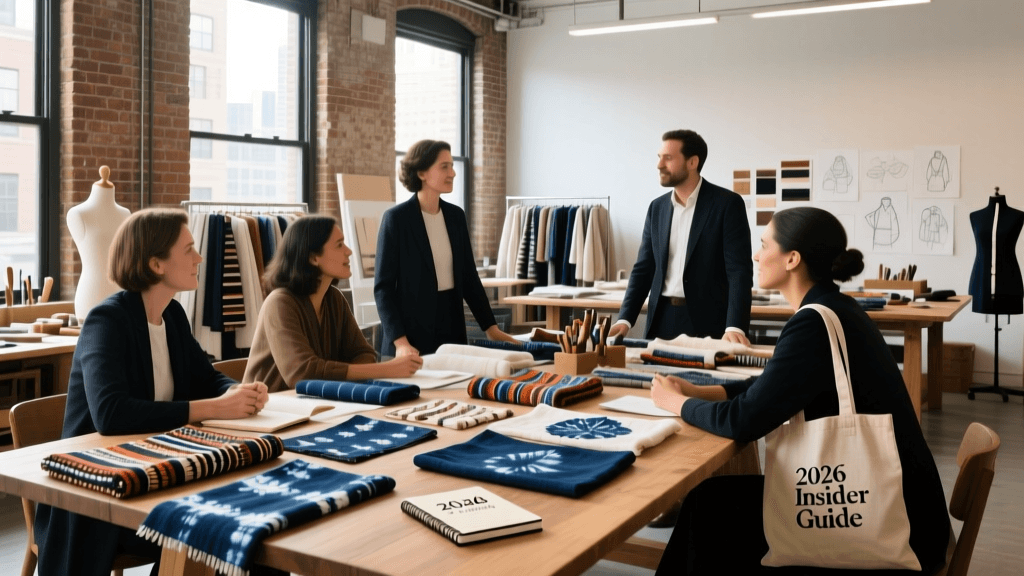
The landscape of American fashion manufacturing and textile sourcing has undergone a radical transformation by 2026. Driven by stringent new environmental regulations, a consumer demand for radical transparency, and a long-overdue reckoning with cultural appropriation, the nation's premier fashion hubs—the New York City Garment District and the Los Angeles Fashion District—have pivoted toward ethical, sustainable, and culturally respectful practices. For designers, buyers, and textile enthusiasts, understanding how to navigate these districts is no longer just about finding the lowest price per yard; it is about forging equitable partnerships, sourcing regenerative materials, and honoring the indigenous and traditional roots of American textiles.
Whether you are looking to collaborate with Native American artisans, source deadstock fabrics to minimize waste, or find cut-and-sew facilities that guarantee living wages, this comprehensive 2026 guide will help you navigate the concrete jungles of NYC and LA. We will explore the specific streets, buildings, and ethical frameworks that define the modern American garment industry.
Navigating the NYC Garment District for Heritage and Sustainable Textiles
Located in Midtown Manhattan, roughly between 34th and 42nd Streets and from Sixth to Ninth Avenues, the NYC Garment District remains the historic heart of American fashion. In 2026, the district has successfully transitioned from a hub of mass-market sample making to a specialized center for high-end, sustainable, and heritage textile sourcing. The Fashion Center Business Improvement District (BID) has heavily invested in green infrastructure, making it easier for designers to find certified sustainable vendors.
Sourcing Deadstock and Regenerative Wools
One of the most significant trends in the NYC district this year is the proliferation of deadstock and regenerative agriculture textiles. Warehouses on 38th and 39th Streets, once filled with imported synthetic blends, now specialize in upcycled luxury fabrics and traceable wools. Designers can source directly from distributors who partner with Navajo-Churro sheep cooperatives in the American Southwest, ensuring that the wool is not only regeneratively grazed but that indigenous farmers receive a premium for their traditional land stewardship practices.
The Rise of Indigenous-Led Showrooms
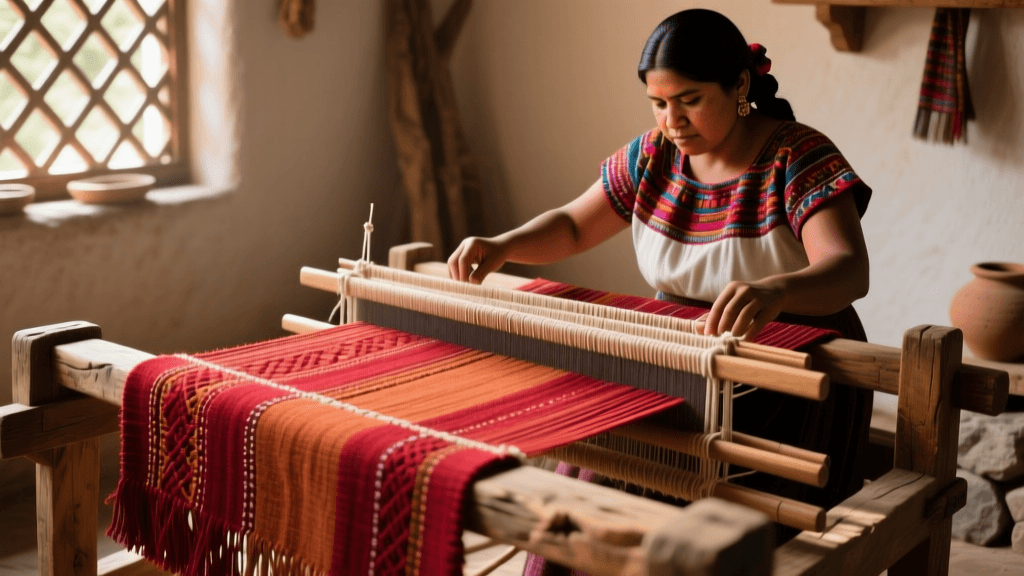
The Council of Fashion Designers of America (CFDA) has actively supported the integration of Indigenous-led showrooms within the district. In 2026, it is common to find collaborative spaces where Native American designers manage the end-to-end supply chain, from raw fiber to finished garment. When sourcing in NYC, look for showrooms displaying the 'Verified Indigenous Collaboration' seal, a new 2026 industry standard that guarantees equitable profit-sharing and intellectual property protection for traditional motifs and weaving techniques.
The LA Fashion District: Latin American Artisans and Sustainable Denim
Spanning over 100 blocks in Downtown Los Angeles, centered around 9th and Maple Streets, the LA Fashion District is the undisputed capital of casual wear, denim, and streetwear. However, the 2026 iteration of the LA district is also a vital bridge between North American brands and traditional Latin American textile artisans. The California Market Center (CMC) and the surrounding Cooper Building have reorganized their floors to prioritize transparent, cross-border artisan collaborations.
Oaxacan and Andean Textile Collaborations
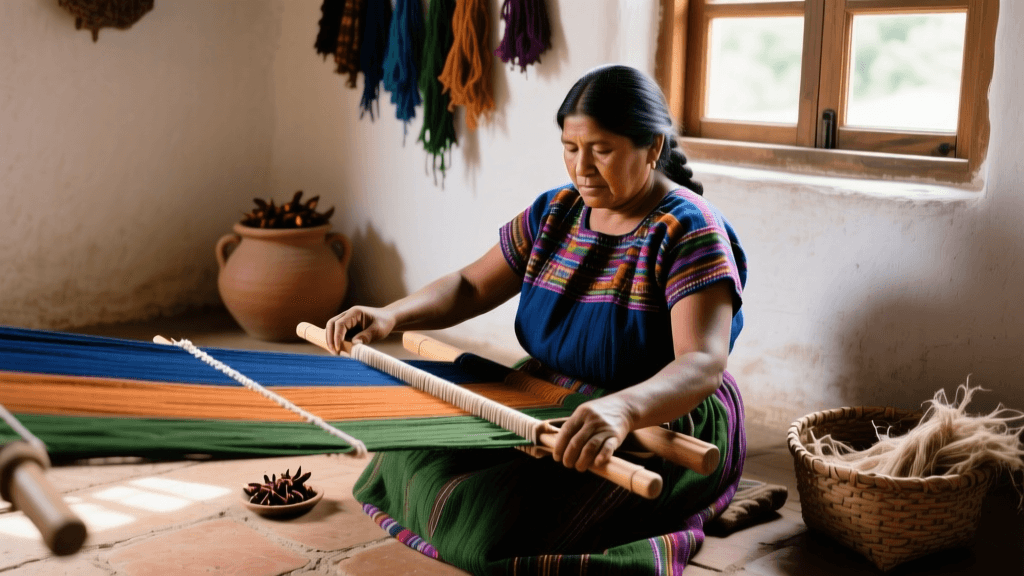
Los Angeles has a deep, historical connection to Latin America, and the modern garment district leverages this to facilitate ethical imports. In 2026, several specialized importers in the Santee Alley vicinity and the CMC focus exclusively on textiles woven by Zapotec and Quechua artisans. Unlike the exploitative sourcing models of the past, these 2026 hubs operate on a direct-trade model. Designers can purchase hand-dyed indigo cotton, alpaca blends, and backstrap-loomed textiles directly from cooperatives, with blockchain-backed tags that trace the garment's journey from a village in Oaxaca to a cutting table in Downtown LA.
Sustainable Denim and Waterless Dyeing
LA is also the global epicenter for sustainable denim. The district's dye houses and laundries have almost entirely adopted waterless dyeing technologies and closed-loop water systems to comply with California's aggressive 2026 environmental mandates. For designers looking to create indigenous-inspired denim lines, the district offers laser-finishing services that can replicate traditional beadwork and quillwork patterns on denim without the use of harsh chemicals or culturally appropriative mass-production methods.
Ethical Sourcing and Indigenous Collaboration Guidelines
As the appreciation for traditional and indigenous garments grows, so does the risk of cultural appropriation. In 2026, the fashion industry is held to a much higher legal and ethical standard regarding Traditional Cultural Expressions (TCEs). The World Intellectual Property Organization (WIPO) provides frameworks that have been widely adopted by American fashion hubs to protect indigenous designs from unauthorized commercial exploitation.
How to Ensure Ethical Collaboration
- Direct Compensation: Never purchase 'indigenous-inspired' prints from third-party mills. Instead, use the garment district's networking events to connect directly with indigenous artists and pay them licensing fees for their patterns.
- Attribution and Storytelling: Ensure that your hangtags and marketing materials explicitly name the community, artist, or technique involved in the textile's creation.
- Respect Sacred Motifs: Certain patterns and garments hold religious or spiritual significance. Always consult with cultural liaisons—many of whom now have offices within the major fashion districts—to ensure a design is appropriate for commercial use.
- Capacity Building: The best 2026 partnerships involve investing in the artisan community, such as funding new looms or supporting local textile schools, rather than simply extracting their labor.
Understanding Minimum Order Quantities (MOQs) in 2026
One of the biggest hurdles for emerging designers is navigating Minimum Order Quantities. In 2026, both NYC and LA have seen a shift toward 'micro-manufacturing' and low-MOQ sourcing, driven by the on-demand fashion model.
In the NYC Garment District, deadstock vendors often have no MOQs, allowing you to purchase as little as 10 yards of a rare, vintage heritage fabric. However, for custom weaves or direct indigenous collaborations, MOQs are usually set by the artisan cooperative's capacity, typically ranging from 50 to 100 units. In LA, the rise of automated, small-batch cutting and sewing facilities means you can produce runs as small as 30 pieces, making it highly accessible for designers testing the market with ethically sourced, traditional garments.
Comparison Chart: NYC vs. LA Garment Districts (2026)
| Feature | NYC Garment District | LA Fashion District |
|---|---|---|
| Primary Specialty | High-end apparel, regenerative wools, luxury deadstock | Denim, streetwear, Latin American artisan imports |
| Indigenous Focus | North American/Native American collaborations, beadwork, wool | Latin American/Mesoamerican collaborations, weaving, natural dyes |
| Average MOQ (Cut & Sew) | 50 - 300 units | 30 - 500 units |
| Best For | Tailoring, evening wear, sustainable luxury, sample making | Casual wear, denim, high-volume sustainable basics |
| Key Hub Building | Fashion Center Information Kiosk / 224 W 38th St | California Market Center (CMC) / Cooper Building |
| 2026 Sustainability Trend | Circular fashion, upcycled luxury deadstock | Waterless denim dyeing, blockchain-traced artisan imports |
Practical Tips for Your 2026 Sourcing Trip
To make the most of your time in these bustling American fashion hubs, preparation is key. The days of wandering aimlessly through fabric stores are over; the 2026 garment districts require strategic planning.
- Book Showroom Appointments in Advance: Many ethical and indigenous-focused showrooms in both NYC and LA operate by appointment only to maintain a low carbon footprint and manage small staff sizes. Use the district's official digital directories to schedule your visits at least two weeks in advance.
- Bring Digital Tech Packs: Sustainable vendors prioritize efficiency. Bring your tech packs on a tablet, complete with 3D renderings and precise material requirements, to get accurate quotes on the spot.
- Utilize District Shuttles and Transit: Both districts have optimized their logistics for pedestrians and public transit. In LA, the DTLA shuttle connects the major sourcing buildings, while in NYC, the district is highly walkable and best accessed via the subway to Penn Station or Times Square.
- Ask for Certifications: When a vendor claims a fabric is 'organic' or 'ethically sourced,' ask to see their 2026 GOTS (Global Organic Textile Standard) or Fair Trade certifications. Reputable vendors will have these readily available on their digital portals.
Conclusion
The NYC and LA Garment Districts in 2026 are no longer just places to buy fabric and hire sewers; they are vibrant ecosystems dedicated to the future of ethical, sustainable, and culturally respectful fashion. By approaching your sourcing trips with a commitment to indigenous collaboration, environmental stewardship, and transparent supply chains, you can leverage these historic American fashion hubs to build a brand that honors the rich, diverse textile traditions of the Americas. Whether you are draping a regenerative Navajo wool in Manhattan or stitching a Zapotec-woven textile in Los Angeles, the modern garment district provides the tools, materials, and partnerships necessary to fashion a better, more equitable industry.