Oaxacan Backstrap Loom Textiles: 2026 Authenticity Guide
The Enduring Legacy of the Telar de Cintura
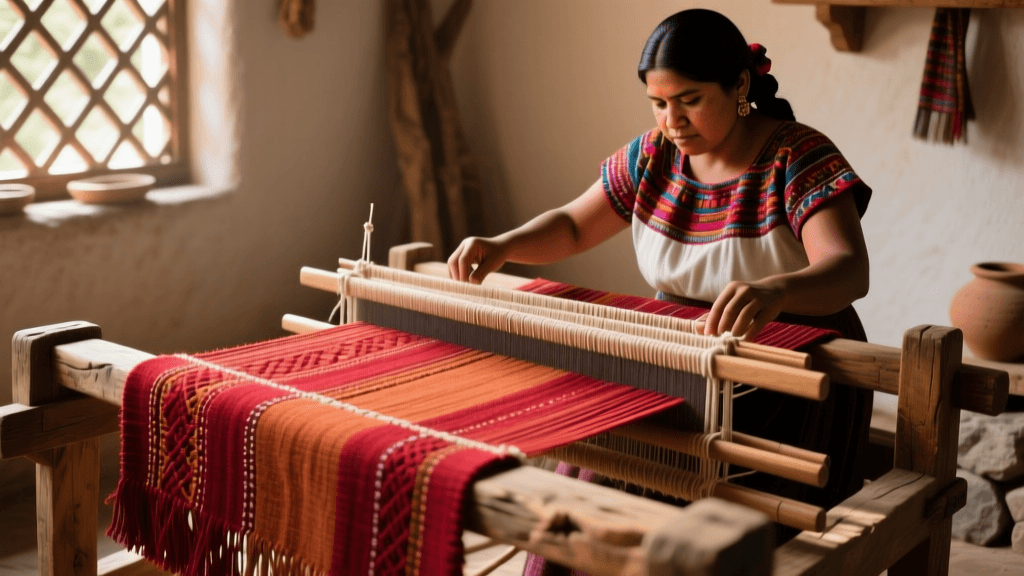
As the global slow fashion and conscious consumer movements mature in 2026, collectors and textile enthusiasts are increasingly turning their attention to the rich, indigenous garment traditions of Latin America. Among the most revered and technically complex of these traditions is Oaxacan backstrap loom weaving, known locally as the telar de cintura. Practiced primarily by Zapotec, Mixtec, and Nahua women in the valleys and sierras of Oaxaca, Mexico, this ancient technique produces garments and home textiles that are not merely fabrics, but woven codices of indigenous cosmology, mathematics, and environmental stewardship.
However, the surge in global demand has also led to a proliferation of machine-made imitations and culturally appropriated designs flooding the market. For the modern collector, understanding the mechanics, materials, and economics of authentic Oaxacan textiles is essential. This comprehensive 2026 guide will equip you with the knowledge to identify genuine handwoven pieces, understand the chemistry of natural dyes like cochineal, and purchase directly from the indigenous cooperatives preserving this UNESCO-recognized Intangible Cultural Heritage.
The Mechanics of the Telar de Cintura: A Physical Connection
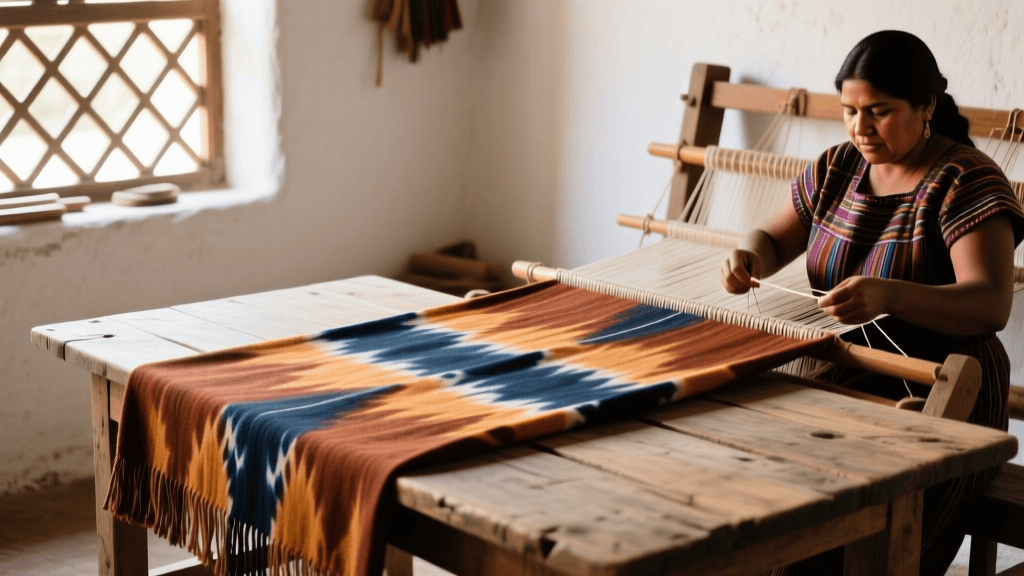
Unlike the rigid, floor-standing pedal looms introduced by the Spanish in the 16th century (which are typically used for wider rugs and blankets in places like Teotitlán del Valle), the pre-Hispanic backstrap loom is intimately connected to the weaver's body. One end of the warp (the longitudinal yarns) is tied to a fixed object, such as a tree or a post, while the other end is attached to a wooden rod that rests against the weaver's lower back via a leather or woven strap called the mecapal.
The weaver controls the tension of the warp threads entirely through the movement of her body. Leaning forward loosens the threads, while leaning back tightens them. This profound physical connection means that the weaver's breath, posture, and stamina directly influence the textile. Because the loom is limited by the width of the human body, authentic backstrap-woven fabrics rarely exceed 18 to 24 inches in width. To create wider garments, such as a traditional huipil (tunic) or a large rebozo (shawl), multiple narrow panels must be meticulously hand-stitched together using intricate embroidery seams known as randas.
Key Terminology for the 2026 Buyer
- Urdimbre (Warp): The foundational threads held under tension.
- Trama (Weft): The crosswise threads woven over and under the warp.
- Trama Suplementaria (Brocade): A decorative technique where extra weft threads are introduced to create raised, embossed patterns that look like embroidery but are actually woven directly into the fabric.
- Machete or Espada: The heavy wooden sword used to beat the weft threads tightly into place.
Decoding Natural Dyes: The Magic of Cochineal and Indigo
The soul of an authentic Oaxacan textile lies in its color palette, derived entirely from the local flora and fauna. In 2026, the most prized and expensive natural dye remains grana cochinilla (cochineal). This brilliant crimson pigment is harvested from the Dactylopius coccus insect, which lives parasitically on the nopal (prickly pear) cactus. It takes approximately 70,000 dried insects to produce a single pound of dye powder, making cochineal-dyed textiles highly valuable.
Master dyers manipulate the pH levels of the cochineal bath to achieve a stunning spectrum of colors. By adding an acidic modifier like lime juice, the dye shifts to vibrant oranges and yellows. By introducing an alkaline substance like baking soda or wood ash, the color deepens into rich purples, maroons, and even slate greys. Other essential natural dyes include añil (indigo) for deep blues, cempasúchil (wild marigold) for golden yellows, and pecan shells or oak galls for rich browns and blacks.
The Authenticity pH Test
If you are shopping in person at markets in Oaxaca or at specialized textile fairs, you can perform a non-destructive pH test to verify natural cochineal. Carry a small bottle of lemon juice and a pinch of baking soda dissolved in water. Apply a tiny drop of lemon juice to an inconspicuous red thread; if it is real cochineal, the thread will temporarily turn bright orange. Apply the alkaline water, and it will shift to a deep purple. Synthetic azo dyes will not react to these pH changes.
The 2026 Authenticity Checklist and Comparison Table
Distinguishing a genuine telar de cintura textile from a power-loom imitation requires a trained eye. Mass manufacturers often use synthetic acrylics or chemically dyed cottons, attempting to replicate the complex brocade patterns of the Zapotec weavers. Use the following comparison chart to evaluate potential purchases.
| Feature | Authentic Backstrap Loom | Power-Loom Imitation |
|---|---|---|
| Fabric Width | Maximum 18-24 inches. Wider items feature hand-sewn panel joins. | Any width (often 45-60 inches) with no seams. |
| Selvedge Edges | Finished, tight edges that do not fray. Often features a distinctive twisted cord finish. | Raw edges that require machine hemming or serging to prevent fraying. |
| Pattern Execution | Brocade patterns are reversible or show floating threads on the back. Slight organic irregularities. | Patterns are printed on the surface or Jacquard-woven with perfect, sterile uniformity. |
| Material Feel | Hand-spun cotton or wool has a slightly uneven, organic texture and a natural lanolin scent. | Slick, uniform feel typical of mercerized cotton or synthetic polyester blends. |
| Fringe (Fleco) | The fringe is the actual continuation of the warp threads, hand-knotted or braided. | Fringe is often machine-stitched onto the hem as a separate decorative add-on. |
Navigating the Market: Cooperatives and Fair Pricing
The most ethical and reliable way to purchase authentic Latin American traditional garments in 2026 is to bypass middlemen and buy directly from indigenous weaving cooperatives or verified fair-trade organizations. Institutions like the Museo Textil de Oaxaca work tirelessly to document, preserve, and promote the work of master weavers, often hosting pop-up sales and maintaining directories of verified artisan communities.
Organizations such as Fashion Revolution continually advocate for transparency in the supply chain, urging buyers to demand proof of origin and fair compensation for indigenous intellectual property. When you buy from a verified cooperative, you ensure that the weavers receive a living wage and that the funds support community education and the preservation of native cotton and dye plants.
2026 Pricing Expectations for Authentic Textiles
Understanding the time and labor involved is crucial to recognizing the value of these pieces. A master weaver may spend 10 to 12 hours a day for three to six months to complete a single, heavily brocaded ceremonial huipil. Here is what you should expect to pay for genuine, natural-dyed pieces in the current market:
- Cotton Table Runners (Camino de Mesa): $85 - $180 USD (depending on length and brocade complexity).
- Everyday Rebozos (Wool or Cotton): $150 - $350 USD.
- Ceremonial Silk Huipiles: $600 - $1,500+ USD (often woven with imported silk threads and heavily embroidered).
- Custom Bridal or Quinceañera Garments: $1,200 - $3,000+ USD (requiring up to a year of dedicated labor).
Note: If you encounter a 'handwoven' cochineal-dyed wool poncho selling for $35 USD in a tourist market, it is almost certainly a machine-made acrylic blend with synthetic dyes.
Caring for Your Natural-Dyed Textiles
Owning an authentic Oaxacan textile is a responsibility. Natural dyes, particularly cochineal and indigo, are highly sensitive to modern chemical detergents and environmental factors. To ensure your garment lasts for generations, follow these strict care protocols:
- Avoid Alkaline Detergents: Standard laundry detergents are highly alkaline and will permanently alter the color of cochineal, turning vibrant reds into dull, muddy greys. Always use a pH-neutral soap, such as specialized wool wash or baby shampoo.
- Cold Water Only: Never wash natural-dyed cotton or wool in warm or hot water, as this will cause the fibers to shrink and the dyes to bleed. Hand wash gently in cold water.
- Keep Away from Direct Sunlight: While natural dyes are remarkably colorfast when properly mordanted, prolonged exposure to direct, harsh UV light will cause botanical yellows and reds to fade over time. Store your rebozos and huipiles in a cool, dark place wrapped in acid-free tissue paper or unbleached cotton.
- Ironing: Use a low heat setting and always place a cotton pressing cloth between the iron and the textile to protect the raised brocade threads from being crushed.
Conclusion
The Oaxacan backstrap loom is more than a tool; it is an instrument of cultural resistance and indigenous identity. By educating yourself on the mechanics of the telar de cintura, the chemistry of natural dyes, and the fair market value of these textiles, you become an active participant in preserving this extraordinary Latin American heritage. In 2026, let your purchases reflect a commitment to authenticity, equity, and the enduring beauty of indigenous craftsmanship.