Lakota Ribbon Shirts & Diné Velvet Garments: 2026 Guide
Introduction to Regional Indigenous Dress in 2026
Indigenous North American dress is profoundly regional, reflecting the distinct environments, histories, and spiritual beliefs of diverse tribes. While mainstream fashion often homogenizes Native American clothing into a single aesthetic, the reality is a rich tapestry of localized traditions. In 2026, there is a massive cultural resurgence among Indigenous communities to reclaim, wear, and revitalize traditional garments not just for ceremonial purposes, but as everyday expressions of cultural pride. For collectors, cultural enthusiasts, and Indigenous community members looking to commission or purchase authentic pieces, understanding the distinct differences between regional styles is paramount.
This guide focuses on two of the most iconic and highly sought-after regional garment traditions in North America: the Plains tradition of the Lakota ribbon shirt and the Southwest tradition of the Diné (Navajo) velvet garment and silver adornment. We will explore the history, modern construction, 2026 market pricing, and ethical sourcing practices for these magnificent textile arts.
The Plains Tradition: Lakota Ribbon Shirts
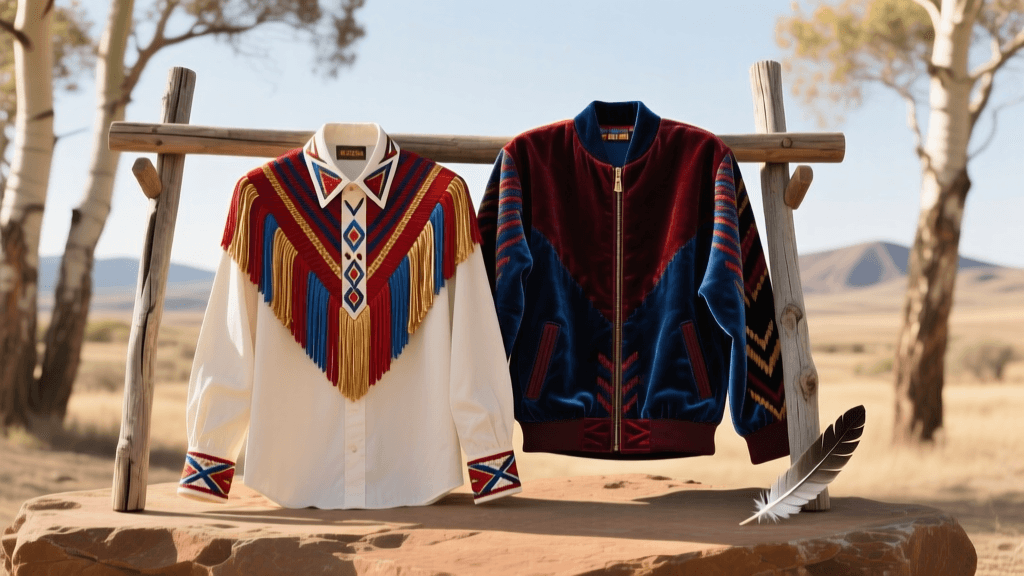
The ribbon shirt is a pan-Indigenous garment today, worn at powwows, ceremonies, and community gatherings across the continent. However, its contemporary stylistic roots and most vibrant expressions are deeply tied to the Plains tribes, particularly the Lakota, Dakota, and Nakota (the Oceti Sakowin). Originally evolving from the trade-cloth shirts of the 18th and 19th centuries, the modern ribbon shirt utilizes appliqué techniques to layer brightly colored silk or polyester ribbons over a broadcloth base.
Materials and Construction
In 2026, master tailors of the Plains tradition favor high-quality wool-blend broadcloth for the shirt base due to its durability, drape, and breathability. The ribbons, traditionally silk, are now often high-grade double-faced polyester satin for colorfastness and longevity. The appliqué process is painstaking; artisans fold, pin, and stitch the ribbons into geometric or floral patterns that often represent familial clans, spiritual visions, or the four directions. A standard men's or women's ribbon shirt requires between 15 to 30 yards of 5/8-inch ribbon, depending on the complexity of the yoke and sleeve patterns.
Commissioning and 2026 Pricing
If you are looking to commission a custom Lakota-style ribbon shirt in 2026, expect a lead time of three to six months. Artisans on the Pine Ridge and Rosebud reservations, as well as in urban hubs like Rapid City and Denver, are experiencing high demand. When providing measurements, you must supply your chest, waist, sleeve length, shoulder width, and the desired 'yoke drop' (how far the decorative appliqué extends down the chest). Current 2026 pricing for a standard, well-crafted ribbon shirt ranges from $350 to $600. Shirts featuring intricate cut-out appliqué, fully beaded medallions on the yoke, or hand-tanned leather accents can easily exceed $1,200.
The Southwest Tradition: Diné Velvet and Silver
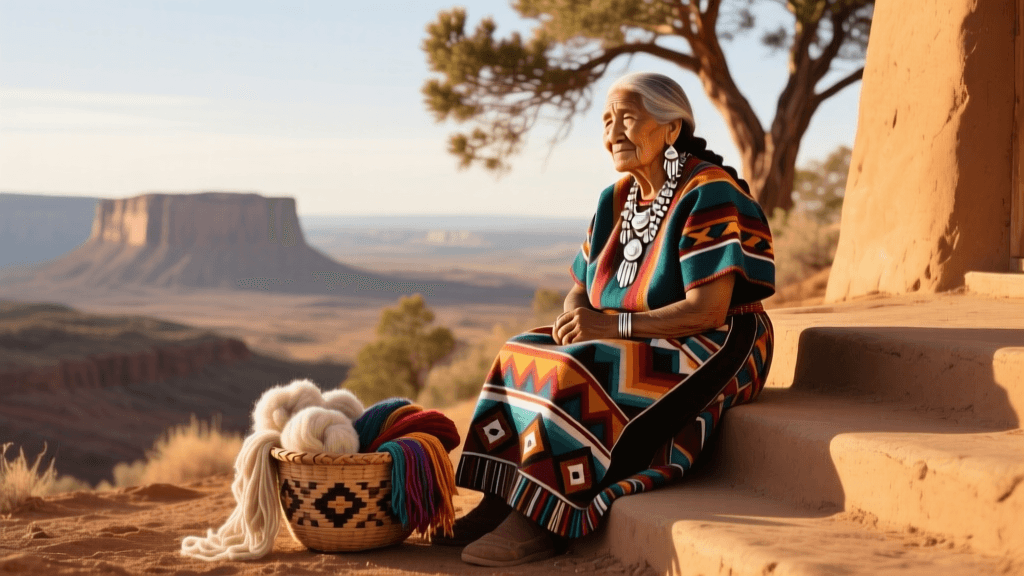
Transitioning from the Plains to the high desert of the Southwest, the Diné (Navajo) traditional garment presents a strikingly different aesthetic. The Diné velvet shirt and blouse, almost always paired with elaborate sterling silver and turquoise jewelry, is a staple of Navajo identity. The use of velvet was introduced via trading posts in the late 19th century, replacing earlier buckskin garments. Today, the deep, rich textures of black, navy, or burgundy velvet serve as the perfect canvas for the brilliant silverwork of Diné artisans.
The Garment and the Adornment
The traditional Diné velvet shirt for men and blouse for women is characterized by its relaxed, comfortable drape, often featuring a mandarin collar, snap buttons, and subtle piping. However, the garment is only half of the traditional ensemble. The true centerpiece is the silverwork. According to the Wheelwright Museum of the American Indian, the Navajo silversmithing tradition has evolved into one of the most sophisticated metalworking arts in the Americas. In 2026, a traditional ensemble includes a squash blossom necklace, a concho belt, and a bolo tie or silver tie bar.
Sourcing and 2026 Market Dynamics
Sourcing an authentic Diné velvet and silver set requires an understanding of the current silver and turquoise markets. The price of high-grade natural turquoise (such as Bisbee or Number 8) has surged in 2026, making older, vintage pieces and newly commissioned masterworks significant financial investments. A hand-sewn, tailored velvet shirt or blouse typically costs between $150 and $350 from local Navajo tailors in hubs like Window Rock, Gallup, or Santa Fe. The silverwork, however, is where the primary cost lies. A contemporary, hand-stamped sterling silver concho belt crafted by a recognized Diné silversmith will range from $2,500 to $8,000, while a full, museum-quality squash blossom necklace can command prices upwards of $15,000 depending on the stone quality and the artist's reputation.
Comparative Sourcing Guide: Plains vs. Southwest
To help buyers, collectors, and community members navigate the 2026 market, the following table compares the key elements of sourcing Lakota ribbon shirts and Diné velvet ensembles.
| Feature | Lakota Ribbon Shirt (Plains) | Diné Velvet & Silver (Southwest) |
|---|---|---|
| Primary Materials | Wool-blend broadcloth, satin ribbons, glass seed beads | Cotton/silk velvet, sterling silver, natural turquoise |
| Average 2026 Base Cost | $350 - $600 (Shirt only) | $150 - $350 (Shirt) + $2,500+ (Silverwork) |
| Commission Lead Time | 3 to 6 months | 1 to 3 months (Garment), 6+ months (Custom Silver) |
| Primary Artisan Hubs | Pine Ridge, Rosebud, Rapid City, Denver | Window Rock, Gallup, Santa Fe, Albuquerque |
| Key Measurement Needs | Chest, sleeve, yoke drop, shoulder width | Waist (for concho belt), neck (for squash blossom), torso |
| Maintenance Level | Moderate (Spot clean, careful ironing) | High (Silver polishing, velvet steaming, stone care) |
Ethical Sourcing and Avoiding Appropriation
As the global appreciation for Indigenous North American dress grows in 2026, so does the proliferation of counterfeit, mass-produced 'Native-inspired' clothing. It is vital to ensure that your purchases directly support Indigenous artisans and comply with federal law. The Indian Arts and Crafts Board enforces the Indian Arts and Crafts Act, which makes it illegal to offer or display for sale any art or craft product in a manner that falsely suggests it is Indian-produced.
When sourcing a Lakota ribbon shirt or a Diné velvet and silver ensemble, always request a Certificate of Authenticity. This document should include the artist's name, their tribal affiliation, and their tribal enrollment number or certification as an Indian artisan by a recognized tribe. Purchasing directly from tribal art markets, such as the Santa Fe Indian Market or the Heard Museum Guild Indian Fair, or through verified Native-owned cooperatives and galleries, ensures your investment supports the cultural continuity of these communities. The Smithsonian National Museum of the American Indian also provides extensive resources and directories for identifying authentic Native artists and understanding the cultural significance of their work.
Care and Preservation of Traditional Garments
Traditional garments are often family heirlooms, meant to be passed down through generations. Proper care in 2026 requires moving beyond standard laundry practices and adopting archival preservation methods.
Caring for Lakota Ribbon Shirts
- Cleaning: Never machine wash a ribbon shirt, as the agitation can cause the ribbons to fray and the broadcloth to shrink. Dry cleaning is generally recommended, but inform the cleaner about the appliqué and any attached beadwork.
- Storage: Store the shirt on a wide, padded hanger to maintain the shoulder structure. Keep it in a breathable cotton garment bag away from direct sunlight, which can fade the vibrant ribbon colors over time.
- Ironing: If the ribbons become wrinkled, use a steamer rather than a direct iron. If you must iron, use the lowest heat setting and place a pressing cloth between the iron and the ribbons to prevent melting the synthetic fibers.
Caring for Diné Velvet and Silver
- Velvet Maintenance: Velvet crushes easily. Store Diné velvet shirts and blouses flat or on heavily padded hangers. Use a handheld garment steamer to gently lift the pile of the fabric and remove wrinkles. Never apply direct heat or pressure to velvet.
- Silver and Turquoise Care: Sterling silver will naturally tarnish when exposed to air and moisture. Store your concho belts and squash blossom necklaces in airtight containers with anti-tarnish strips. Polish the silver gently with a microfiber cloth, but avoid commercial silver dips, which can strip the intentional oxidation (antiquing) in the stamped designs and severely damage porous natural turquoise.
- Wearing Precautions: Always apply perfumes, hairsprays, and lotions before putting on your turquoise and silver jewelry, as the chemicals and oils can discolor the stones and degrade the silver finish over time.
By understanding the distinct regional characteristics, supporting authentic artisans, and practicing meticulous preservation, we can ensure that the magnificent traditions of Lakota ribbon work and Diné velvet and silver continue to thrive and inspire for generations to come.