Sourcing Authentic Czech Seed Beads For Powwow Regalia 2026
Preparing for the 2026 Powwow Season: The Art of Sourcing Authentic Materials
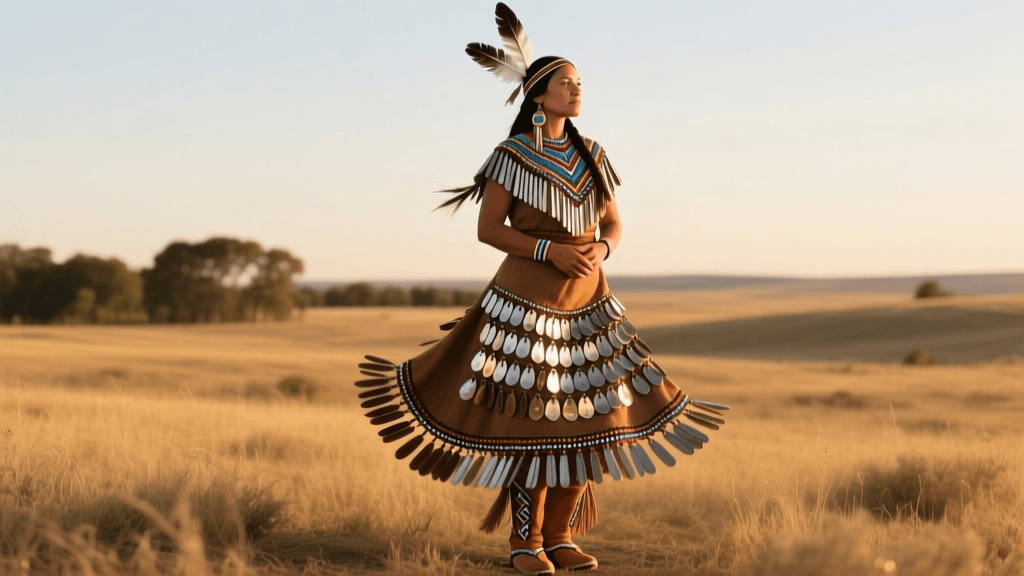
As the 2026 powwow season rapidly approaches, dancers and regalia makers across North America are turning their attention to the meticulous process of sourcing high-quality, traditional materials. Whether you are crafting a new Jingle Dress, updating the beadwork on a Men's Traditional outfit, or designing a Woodland floral appliqué for a Fancy Shawl, the foundation of your regalia relies heavily on the authenticity and quality of your supplies. In 2026, the landscape of indigenous art supply sourcing has evolved, with a renewed emphasis on ethical purchasing, supporting Native-owned enterprises, and securing historically accurate trade materials. This comprehensive guide will walk you through the best practices for sourcing authentic Czech glass seed beads and premium wool broadcloth, ensuring your regalia not only looks spectacular in the arena but also honors the deep textile traditions of your ancestors.
The Legacy and Standard of Czech Glass Beads
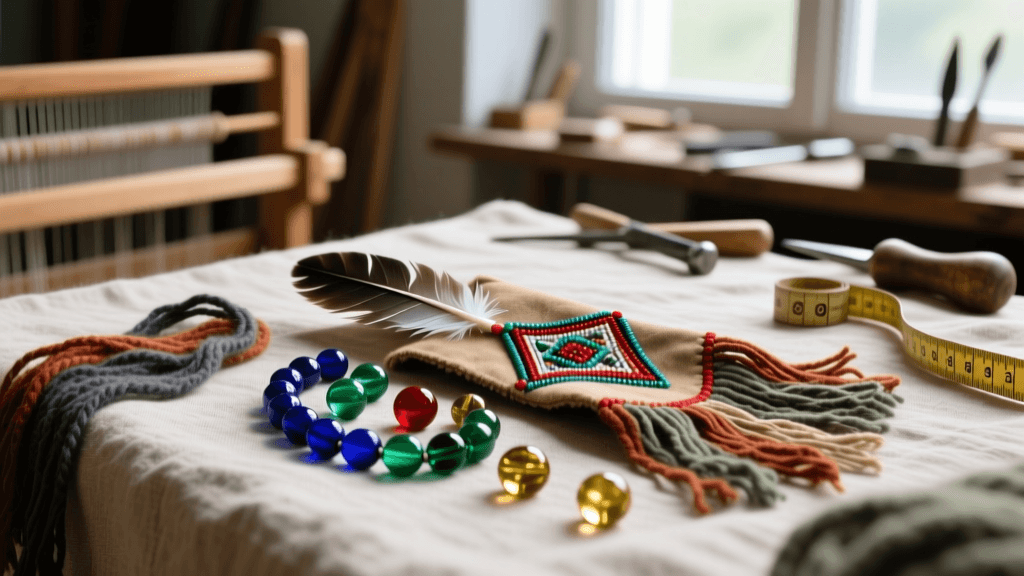
When discussing traditional Native American beadwork, Czech glass seed beads remain the undisputed gold standard. While Japanese seed beads, such as those manufactured by Miyuki and Toho, are celebrated for their uniform precision and are excellent for loom weaving or peyote stitch, they often lack the organic, slightly irregular character that defines historical Plains and Woodland beadwork. The Smithsonian National Museum of the American Indian highlights how the introduction of European glass trade beads fundamentally transformed Indigenous artistic expression, replacing earlier porcupine quillwork and shell beads with vibrant, durable glass.
Czech beads, primarily produced in the Bohemian region, offer a distinct aesthetic. Their slightly varied sizes and rich, opaque colors—such as the coveted greasy yellow, chalk white, and powder blue—mimic the vintage trade beads of the 19th and early 20th centuries. For techniques like the Plains lazy stitch, the Cheyenne spot stitch, or Ojibwe floral appliqué, the subtle variations in Czech glass allow the beadwork to lay flat and catch the sunlight in a way that perfectly uniform beads simply cannot replicate. As of 2026, manufacturers like Preciosa Ornela continue to produce these historic colorways, maintaining the legacy that Indigenous artisans have relied upon for generations.
2026 Sizing Guide and Pricing for Czech Seed Beads
Understanding bead sizing is critical for regalia makers. Seed beads are measured in aught sizes (e.g., 11/0), where the larger the number, the smaller the bead. In 2026, inflation and global shipping adjustments have slightly impacted the cost of imported glass, but authentic hanks remain accessible through dedicated traders. Below is a detailed comparison chart to help you select the correct size for your specific regalia technique.
| Bead Size | Diameter (mm) | Best Regalia Technique | 2026 Avg Price per Hank |
|---|---|---|---|
| Size 10/0 | 2.3mm | Plains Lazy Stitch, Heavy Hide Work | $5.50 - $7.00 |
| Size 11/0 | 1.6mm | Appliqué, Spot Stitch, Versatile | $6.00 - $8.50 |
| Size 12/0 | 1.3mm | Fine Detail Work, Edge Binding | $7.50 - $9.00 |
| Size 13/0 Charlotte | 1.5mm (Faceted) | Intricate Floral Stems, Light Reflection | $9.00 - $12.00 |
Size 10/0 beads are the workhorse of the Plains lazy stitch. Measuring approximately 2.3mm in diameter, they provide excellent coverage on heavy hides and wool, and their larger hole size accommodates multiple passes of sinew or heavy nylon thread. Size 11/0 is incredibly versatile, frequently used for both lazy stitch and Woodland appliqué, offering a tighter, more detailed look. Size 12/0 and 13/0 Charlotte cuts—which feature a single flat facet that reflects light brilliantly—are reserved for the finest detail work, edge binding, and intricate floral stems where a smaller profile is necessary. When purchasing in 2026, expect to pay between $5.50 and $8.50 per standard hank (approximately 4,000 beads) for opaque colors, while metallic and rare vintage reproduction colors can command upwards of $12.00 per hank.
Top Authorized Distributors for the 2026 Season
Finding reliable suppliers who guarantee the authenticity of their Czech glass is paramount. The market has seen an influx of counterfeit or lower-quality glass beads masquerading as authentic Bohemian glass. To protect your investment and your artwork, it is essential to purchase from authorized distributors. Established traders have maintained robust supply chains into 2026, offering bulk pricing for regalia makers who need to purchase multiple hanks of a single colorway for large dance outfits. Furthermore, a growing movement in 2026 encourages artisans to source directly from Native-owned bead shops and trading posts located on or near reservations. These businesses not only guarantee the authenticity of their inventory but also ensure that the economic benefits of the powwow economy remain within Indigenous communities.
Pairing Beads with Authentic Wool Broadcloth and Melton
Beadwork is only half the equation; the textile foundation of your regalia is equally important. For traditional dresses, men's ribbon shirts, and leggings, authentic 100% wool broadcloth and Melton wool are the required materials. Synthetic blends, which flooded the market in the early 2000s, are now heavily discouraged by traditionalists and judges at major powwows like the Gathering of Nations and the Crow Fair. Wool breathes naturally, drapes heavily and elegantly, and provides a sturdy, non-stretch base that can support the significant weight of dense beadwork without warping.
In 2026, sourcing high-quality, 60-inch wide wool broadcloth requires planning, as premium textile mills in the UK and US have limited production runs for the specific heavy weights (typically 24 to 32 ounces per yard) preferred by regalia makers. Expect to pay between $45.00 and $65.00 per yard for premium, dye-lot consistent wool. Colors like deep navy, forest green, and traditional red are staples. When cutting your wool, always use sharp fabric shears and seal your edges with a mild fray-check solution or a traditional zig-zag stitch to prevent unraveling before you begin your appliqué or spot stitch.
Ethical Sourcing and the Indian Arts and Crafts Act
As you source your materials for the 2026 season, it is vital to remain mindful of the legal and ethical frameworks surrounding Native American arts. The Indian Arts and Crafts Board, a division of the U.S. Department of the Interior, strictly enforces the Indian Arts and Crafts Act, which prohibits the misrepresentation of Native American arts and crafts. While this law primarily applies to the sale of finished goods, the ethos of authenticity extends to the sourcing of raw materials. Supporting Indigenous-owned supply companies, purchasing from verified Native artisans who hand-dye their own ribbons and sinew, and avoiding mass-produced, culturally appropriated costume materials ensures that your regalia creation process is as respectful and legally sound as the final product itself.
Conclusion: Honoring Tradition on the 2026 Powwow Trail
Creating powwow regalia is a profound act of cultural preservation, personal expression, and community pride. By taking the time to source authentic Czech glass seed beads and premium wool broadcloth, you are participating in a continuum of Indigenous artistry that spans centuries. As you thread your needle and lay down your first rows of lazy stitch or appliqué for the 2026 season, remember that the materials you hold in your hands carry the weight of history. Invest in quality, support Native-owned businesses, and let your regalia be a vibrant, authentic testament to the enduring spirit of Indigenous North America.