Jingle Dress Regalia Guide 2026: Materials & Powwow Etiquette
The Sacred Origins of the Jingle Dress
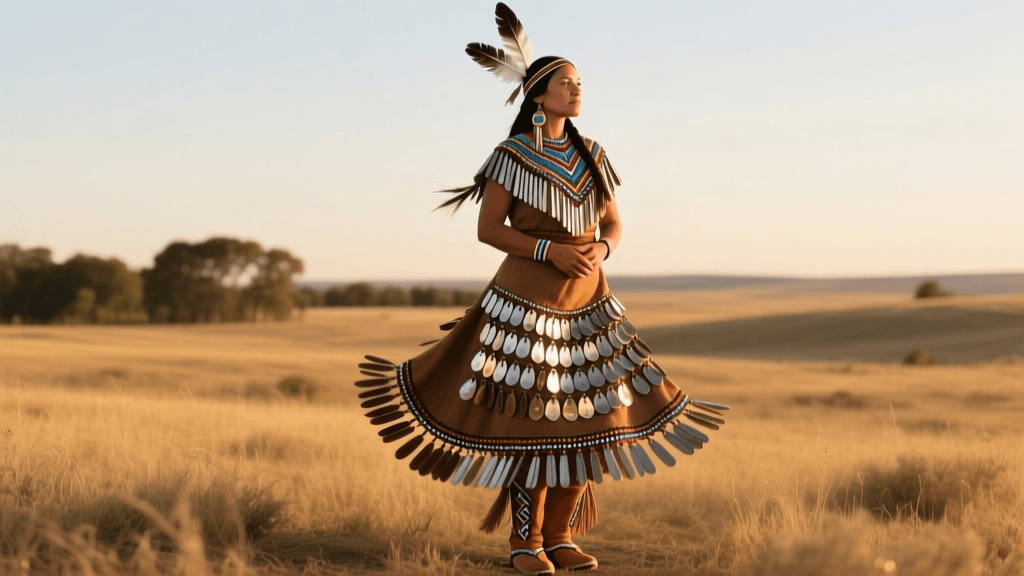
The Jingle Dress, known in the Ojibwe language as Ziibaaska'igan-agooday, represents one of the most profound and visually mesmerizing traditions in Native American powwow culture. Originating among the Ojibwe (Anishinaabe) people in the early 20th century, the dress and its accompanying dance were born from a vision of healing. According to oral histories documented by the Minnesota Historical Society, the dress was created as a medicine dress, intended to bring physical and spiritual healing to a sick child. Today, the Jingle Dress dance has evolved into a powerful pan-Indigenous symbol of resilience, prayer, and community wellness, featured prominently at powwows across North America.
As we navigate the 2026 powwow season, the creation and wearing of a Jingle Dress remains a deeply personal and spiritual endeavor. Whether you are an Indigenous dancer looking to craft your first dress, a seasoned regalia maker updating your wardrobe, or an attendee seeking to understand the profound etiquette surrounding this sacred garment, this comprehensive 2026 guide covers everything from material sourcing and construction techniques to essential arena protocols.
Sourcing Materials for Your 2026 Jingle Dress
Constructing a Jingle Dress requires careful consideration of fabric weight, drape, and durability. The dress must withstand the rigorous, rhythmic movements of the dance while supporting the significant weight of hundreds of metal cones.
Fabric Selection
In 2026, the most popular and practical fabric choices for the base of the dress remain premium broadcloth and high-quality poly-cotton blends (typically 65% polyester and 35% cotton). These blends offer the perfect balance: the cotton provides breathability for long, hot summer powwows, while the polyester ensures the fabric resists wrinkling and holds up to the friction of the metal jingles. Avoid lightweight quilting cottons or silks, as the metal cones will quickly tear through the fibers. For a traditional aesthetic, many dancers still incorporate calico prints into the yoke or sleeve accents, honoring the historical trade cloth of the 19th and early 20th centuries.
Ribbon Appliqué
Ribbon work is a hallmark of Great Lakes Indigenous textile arts. For modern Jingle Dresses, double-face satin ribbon is the standard for appliqué. When sourcing ribbon in 2026, look for widths between 3/8-inch and 5/8-inch. Double-face satin ensures that the edges look clean and vibrant, even if the ribbon shifts slightly during the intense footwork of the dance. Color palettes in 2026 continue to blend traditional earth tones (ochre, forest green, deep red) with vibrant, contemporary jewel tones, allowing dancers to express their individual clan colors or personal medicine.
The Metal Jingles: Sizing, Counting, and Sourcing
The defining feature of the regalia is the ziibaaska'igan, or jingle. Historically, these were hand-rolled from the lids of snuff cans or baking powder tins. Today, while some traditionalists still hand-roll their own cones, most dancers purchase pre-stamped tin or stainless steel jingles from Indigenous metalsmiths and specialized regalia supply shops.
The Significance of the Count
A widely respected tradition dictates that a fully completed Jingle Dress should contain exactly 365 jingles—one for each day of the year, representing a continuous, daily prayer for healing. While some contemporary competition dresses may use fewer cones for a lighter, more streamlined aesthetic, the 365-count remains the gold standard for traditional and spiritual dancers. If a jingle falls off during the powwow season, it is customary to replace it immediately to maintain the integrity of the prayer.
Sizing and Spacing
Jingles typically range from 2.5 inches to 3.5 inches in length. The 3-inch cone is the most versatile and widely used in 2026. When planning your layout, jingles are generally spaced 2 to 3 inches apart horizontally, and arranged in staggered, horizontal tiers across the skirt. This spacing is crucial; if placed too closely, the cones will tangle and muffle the sound. If placed too far apart, the dress will lose its iconic, rhythmic shhh-shhh sound, which is meant to mimic the sound of rain on a tin roof or a rushing river.
Construction, Measurements, and Weight Distribution
Sewing a Jingle Dress is an exercise in structural engineering as much as it is an art form. A fully loaded dress with 365 metal cones, heavy broadcloth, and beadwork can easily weigh between 12 and 18 pounds. Proper weight distribution is essential to prevent the dancer from experiencing back strain and to stop the fabric from tearing at the seams.
Reinforcing the Tiers
Never sew jingles directly onto a single layer of broadcloth. In 2026, expert regalia makers use a backing technique. Each horizontal tier of jingles should be sewn onto a strip of heavy-duty canvas, denim, or grosgrain ribbon, which is then stitched onto the main skirt. This backing absorbs the kinetic stress of the dancing. Furthermore, when attaching the individual cones, use a heavy-duty upholstery nylon thread and a zigzag stitch. A straight stitch will eventually snap under the repetitive swinging motion of the metal.
The Yoke and Sleeves
The yoke of the dress is often heavily adorned with beadwork, sequins, or intricate ribbon appliqué. Because the yoke rests on the shoulders and bears the brunt of the dress's downward pull, it should be lined with a sturdy cotton duck canvas. Sleeves are typically fitted at the shoulder and flare out at the wrist, sometimes featuring additional rows of jingles or fringe. Ensure the armholes are cut generously enough to allow for the high, sweeping arm movements characteristic of the Jingle Dress dance style.
2026 Material Cost and Sourcing Breakdown
Budgeting for a handmade Jingle Dress requires foresight, especially when commissioning custom beadwork or hand-rolled jingles from Indigenous artisans. Below is a structured breakdown of estimated costs and sourcing advice for the 2026 powwow season.
| Material Component | 2026 Estimated Cost | Sourcing & Construction Notes |
|---|---|---|
| Premium Poly-Cotton Broadcloth (6 yards) | $90 - $130 | Source from specialized Native trade cloth vendors or major textile suppliers. Ensure a 65/35 blend for optimal drape and tear resistance. |
| Hand-Rolled Tin Jingles (365 pcs) | $450 - $650 | Support Indigenous metalsmiths directly via social media or powwow vendor rows. Hand-rolled tin produces a warmer, more traditional sound than machine-stamped steel. |
| Double-Face Satin Ribbon (25 yards) | $40 - $60 | Purchase in bulk spools. Use 3/8-inch or 1/2-inch widths for clean appliqué curves and geometric patterns. |
| Heavy-Duty Nylon Upholstery Thread | $15 - $25 | Do not use standard cotton thread for jingle attachment. Nylon thread prevents snapping during high-impact dance steps. |
| Canvas Backing Strips (5 yards) | $30 - $45 | Used behind the skirt tiers to distribute the 15+ lbs of metal weight and prevent broadcloth tearing. |
Note: Costs for fully beaded yokes, custom moccasins, and matching leggings are not included in this base table, as they can add anywhere from $800 to $3,000+ depending on the artisan and the complexity of the beadwork.
Accessories: Completing the Regalia
The Jingle Dress is part of a larger ensemble. A dancer's regalia is not considered complete without the proper accessories, each carrying its own significance and construction standards.
- Beaded Moccasins: Essential for the soft, gliding footwork of the dance. In 2026, fully beaded vamps with hard leather soles remain the standard. Dancers often apply a layer of suede or specialized dance grip to the soles to prevent slipping on grass or polished arena floors.
- Leggings: Typically made from the same broadcloth as the dress, adorned with matching ribbon appliqué or beadwork. They are secured below the knee with beaded garters.
- Feather Fans: Dancers often carry a feather fan, commonly made from eagle, hawk, or macaw feathers (sourced legally and ethically, adhering to federal eagle feather laws for enrolled tribal members). The fan is used to catch the rhythm of the drum and honor the directions.
- Headpieces: While some dancers wear elaborate beaded headbands or wrapped hats, many opt for a single eagle feather or a beautifully beaded barrette that allows for unrestricted movement.
Powwow Etiquette and Respecting the Regalia
Understanding the etiquette surrounding the Jingle Dress is just as important as knowing how to make it. The Smithsonian National Museum of the American Indian emphasizes that powwow regalia is not a costume; it is a sacred, living expression of Indigenous identity, spirituality, and history. As the National Congress of American Indians frequently advocates regarding cultural respect, non-Native attendees and newcomers must observe strict boundaries.
The Golden Rules of Arena Etiquette
- Never Touch the Regalia: A Jingle Dress is considered medicine. Touching it without explicit permission is deeply disrespectful and can be seen as disrupting the spiritual energy of the garment. If you admire the beadwork or the craftsmanship, offer a verbal compliment from a respectful distance.
- Ask Before Photographing: While photography is generally permitted during public powwow dances, always ask for permission before taking close-up portraits of a dancer in the staging areas or around the camp. Some dancers may be in a state of prayer or preparation and do not wish to be photographed.
- Respect Fallen Items: If a jingle, feather, or bead falls off a dancer's regalia in the arena, do not pick it up. In many traditions, a fallen item is considered to have absorbed negative energy or is part of a specific protocol. Wait for the arena director, a veteran, or a designated elder to retrieve it according to tribal customs.
- Honor the Arena Space: The dance arena is a sacred space, much like a church or a temple. Never walk across the center of the arena when dances are not actively taking place, and never allow children or pets to play in the dirt of the arena.
Conclusion: The Living Prayer
Crafting and wearing a Jingle Dress in 2026 is a commitment to carrying forward a century-old legacy of healing. From the meticulous counting of 365 tin cones to the reinforcement of heavy canvas tiers, every stitch is an act of devotion. Whether you are stepping into the arena to dance for a sick relative, or standing on the sidelines listening to the beautiful, rain-like cascade of metal on metal, the Jingle Dress remains a powerful testament to the enduring strength and spiritual vitality of Indigenous peoples across the Americas.