Mormon Temple Garments 2026: Meaning, Styles & Traditions
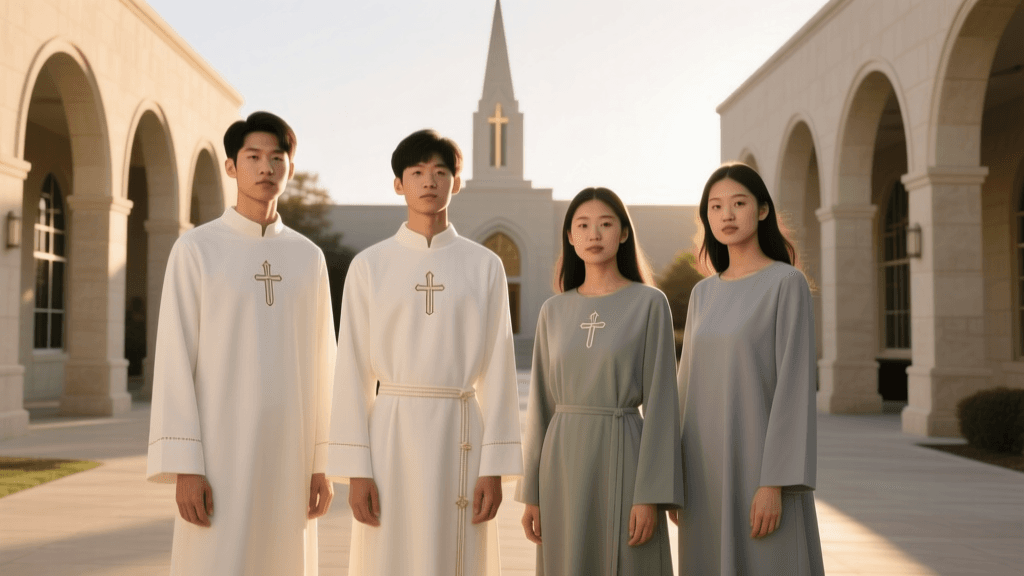
Understanding the Sacred Nature of Mormon Temple Garments
For members of The Church of Jesus Christ of Latter-day Saints, the temple garment is a deeply sacred article of clothing that holds profound spiritual significance. Often misunderstood by those outside the faith, these garments are not magical or ritualistic in a mystical sense; rather, they serve as a continuous, personal reminder of the covenants (sacred promises) made with God inside Latter-day Saint temples. As of 2026, the global Latter-day Saint population continues to grow, and the Church has adapted its garment offerings to meet the diverse needs of members across varying climates, cultures, and lifestyles, while strictly maintaining the sacred symbolism of the original designs.
In the context of the Americas and Indigenous cultures, the garment represents a unique intersection of ancestral heritage and spiritual devotion. This comprehensive guide explores the meaning, historical evolution, modern 2026 styles, and the traditions surrounding the care and purchasing of Mormon temple garments.
The Meaning and Spiritual Purpose
Adult members of the Church who have participated in the temple endowment ordinance are instructed to wear the garment day and night throughout their lives. According to the Church's General Handbook, the garment serves as a reminder of the wearer's covenants and provides a symbolic shield of spiritual protection. It is often compared by Church leaders to the 'armor of God' described in the New Testament.
The markings on the garment are deeply symbolic, representing concepts such as honor, integrity, and the constant presence of the Holy Spirit. Because of this sacred nature, members are asked to treat the garment with the utmost respect, keeping it covered by outer clothing and ensuring it is not exposed to public view or treated casually.
Historical Origins and Evolution
The origins of the temple garment date back to the early 1840s in Nauvoo, Illinois, when the Prophet Joseph Smith introduced the temple endowment to early Church members. The original garments were essentially one-piece union suits that extended to the wrists and ankles, reflecting the modest undergarments of the 19th century.
According to historical archives documented in the Encyclopedia of Mormonism, the design and function of the garment have evolved over the decades to accommodate modern living, changes in global fashion, and the practical needs of a worldwide membership. By the mid-20th century, the Church transitioned to the two-piece design (a t-shirt and shorts-style bottom) that is most recognizable today. This shift allowed members to participate more easily in modern athletics, military service, and professional environments while still honoring their covenants.
The Indigenous Intersection: Garments and Cultural Regalia
Within the 'Americas & Indigenous' context, the wearing of temple garments presents a beautiful synthesis of faith and cultural identity. For Indigenous Latter-day Saints across the Americas—from the Diné (Navajo) Nation in the American Southwest to the Maya communities in Guatemala—the temple garment is worn beneath traditional cultural regalia.
In 2026, the Church's modesty guidelines fully support and encourage the wearing of Indigenous cultural dress. During powwows, traditional dances, and community ceremonies, Native American and Latin American Indigenous members wear their garments underneath ribbon shirts, beaded collars, jingle dresses, and woven huipiles. This harmonious blending allows Indigenous members to honor their ancestral heritage and tribal traditions while simultaneously maintaining their sacred temple covenants. The garment, in this context, becomes a hidden but foundational layer of the wearer's complete identity.
2026 Garment Styles, Fabrics, and Innovations
To serve a global membership spanning over 180 countries, Church Distribution Services has vastly expanded its textile offerings. In 2026, members have access to a wide variety of fabrics and cuts designed for specific climates, body types, and physical needs. The official Church store offers the following primary options:
| Fabric Type | Best Suited For | Key Features (2026 Lineup) |
|---|---|---|
| Cotton-Poly Blend | Everyday wear, temperate climates | Durable, breathable, standard fit, easy to launder |
| Cooling Mesh | Tropical climates, summer, active lifestyles | Moisture-wicking, ultra-lightweight, rapid-dry technology |
| Nylon-Spandex | Athletic wear, form-fitting clothing | Stretchable, seamless edges, prevents chafing |
| Maternity | Pregnancy and postpartum recovery | Expandable abdominal panels, soft support bands |
| Adaptive Line | Members with mobility or sensory needs | Velcro closures, tagless prints, ultra-soft flat seams |
The introduction and expansion of the Adaptive Line over the past few years has been a significant milestone for inclusivity, ensuring that members with physical disabilities or sensory processing disorders can comfortably wear their garments without irritation or the need for complex dressing routines.
Purchasing Guidelines and Global Distribution
Temple garments are not available to the general public. To purchase them, an individual must be a baptized member of the Church in good standing and possess a current, valid temple recommend. This recommend is a small card signed by local ecclesiastical leaders (a bishop and a stake president) that verifies the member's commitment to the Church's teachings and their worthiness to enter the temple.
In 2026, the purchasing process is highly streamlined. Members can order garments online through the Church's secure distribution portal, where their temple recommend status is digitally verified via their Church account. Alternatively, garments can be purchased in person at local Distribution Centers located near temples and major Church hubs worldwide. For members in remote Indigenous communities or rural areas of Latin America and the Americas, the Church utilizes a robust global shipping network and local bishopric distribution orders to ensure garments remain accessible and affordable, with prices heavily subsidized to keep costs low for members in developing economies.
Traditions of Care, Etiquette, and Disposal
The care and maintenance of temple garments are guided by principles of respect and practicality. The Church has clarified many historical myths regarding garment care. In 2026, the official guidelines state that garments should be washed with regular laundry using standard detergents. There are no special rituals, blessings, or separate washing requirements for the garments.
Members are encouraged to repair minor tears or worn elastic to extend the life of the garment, reflecting a broader cultural emphasis on sustainability and stewardship. However, when a garment becomes too worn, stretched out, or damaged to be worn respectfully, it must be retired properly.
Proper Disposal Methods
The proper disposal of temple garments is a frequent question among new members. The current handbook provides clear, practical instructions:
- Cut and Destroy: Members are instructed to cut the garment into pieces so that it is no longer recognizable as a sacred item.
- Standard Trash: Once the markings and shape are destroyed, the fabric remnants can be thrown away in the regular household trash.
- What NOT to Do: Older, folklore-based traditions sometimes suggested burning or burying garments. The Church has explicitly stated that burning or burying is unnecessary and discouraged, as cutting the fabric is sufficient to remove its sacred identity.
'Members who have been clothed in the garment in the temple have made a covenant to wear it throughout their lives... It is a privilege to wear the garment, and it should be treated with the respect it deserves.' — General Handbook, The Church of Jesus Christ of Latter-day Saints
Conclusion
As of 2026, the Mormon temple garment remains a cornerstone of daily spiritual life for millions of Latter-day Saints across the Americas and the globe. Far from being a mere relic of the 19th century, it is a living tradition that has adapted through textile innovation and cultural sensitivity to serve a diverse, modern membership. Whether worn beneath a business suit in New York, athletic wear in Utah, or traditional Indigenous regalia at a powwow in the Southwest, the garment stands as a quiet, deeply personal testament to the wearer's faith, covenants, and spiritual heritage.