LDS Temple Garment Shopping 2026: Where, How & Styles
The Significance of Temple Garments in the Americas
For members of The Church of Jesus Christ of Latter-day Saints, temple garments hold profound spiritual significance. Often referred to simply as 'garments,' these sacred underclothes are worn by endowed members as a daily, personal reminder of the covenants they have made in the temple. While the LDS Church has a global footprint, its cultural and historical epicenter remains in the Americas, particularly across the Intermountain West of the United States. Understanding the context of these garments is essential for anyone researching traditional American religious dress or participating in the faith.
Unlike secular clothing or standard modesty wear, temple garments are not sold in commercial retail stores, department stores, or third-party e-commerce platforms. The Church maintains strict control over the distribution, design, and sale of these items to preserve their sacred nature. As of 2026, the purchasing process has been highly streamlined through digital integration, making it easier for members from Utah to Buenos Aires to acquire the specific styles and fabrics they need for their climate and lifestyle.
According to the Gospel Topics Essay on Temple Garments, the practice of wearing special clothing to signify spiritual commitments has deep historical roots, echoing ancient religious traditions. Today, the garments feature specific marks that hold symbolic meaning, and the Church's Distribution Services department continuously updates the fabrics and cuts to accommodate modern living while maintaining the required modesty and sacred markings.
Where to Buy: Official Distribution Channels
If you are looking to purchase LDS temple garments in 2026, there is only one authorized source: Church Distribution Services. You cannot buy authentic, marked temple garments on Amazon, Etsy, or at local clothing boutiques. Any third-party website claiming to sell 'LDS garments' is either selling unauthorized modesty underwear (which lacks the sacred marks) or operating in violation of Church policies and copyright trademarks.
There are two primary ways to purchase garments through official channels:
1. The Official Online Store
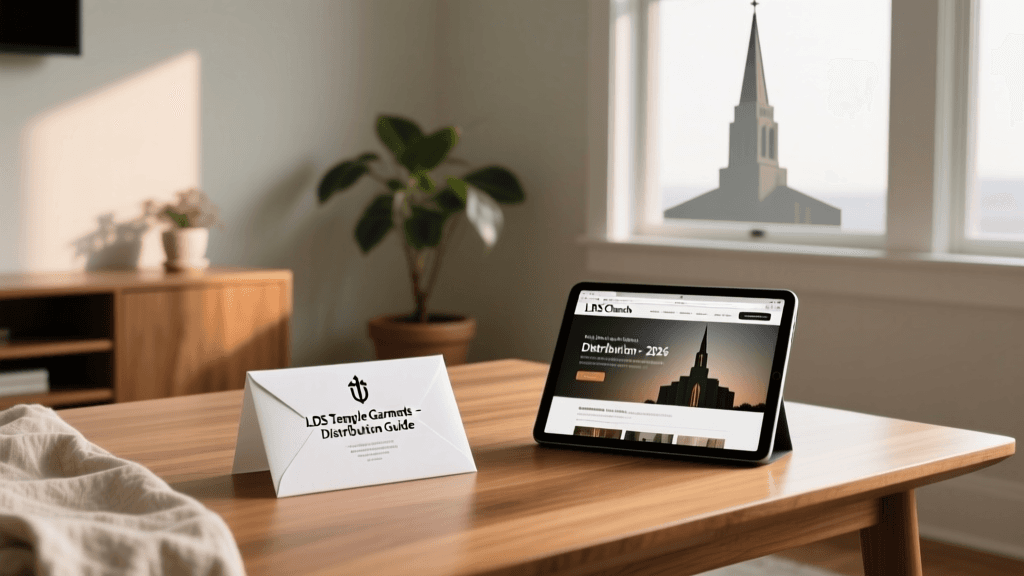
The most common and convenient method in 2026 is ordering through the Official Church Store Garment Section. The online portal is integrated directly with the Church's membership database. When you log in with your Church Account (the same credentials used for the Member App or Gospel Library), the system automatically verifies your eligibility to purchase garments based on your current temple recommend status.
2. Physical Distribution Centers
Physical Distribution Centers are typically located adjacent to or inside LDS Temples, as well as in standalone locations throughout areas with high Latter-day Saint populations (such as Salt Lake City, Provo, Mesa, and Boise). Visiting a physical center is highly recommended for first-time buyers, those who have experienced significant body changes, or anyone wanting to feel the different 2026 fabric blends in person before committing to a bulk order.
How to Purchase: The Authorization Process
Purchasing temple garments requires a valid, unexpired temple recommend. As outlined in the General Handbook regarding Temple Recommends, only members who have received their own endowment and maintain a current recommend are authorized to buy and wear the garments.
Step-by-Step Online Ordering in 2026:
- Step 1: Navigate to the official Church Store and sign in with your Church Account.
- Step 2: Navigate to the 'Clothing' tab and select 'Garments.' If your account is properly authorized, the garment catalog will be visible. If you are not authorized, the section will either be hidden or prompt an error.
- Step 3: Select your preferred gender category (Men's or Women's/Sister styles).
- Step 4: Choose your fabric type, neckline style, and sleeve length.
- Step 5: Enter your sizing. The 2026 sizing charts are highly detailed, offering specific measurements for chest, waist, and hips to ensure a proper, comfortable fit.
- Step 6: Proceed to checkout. Shipping is generally processed from the main distribution hub in Salt Lake City, Utah, with global shipping options available for international members.
Pro Tip for First-Time Buyers: Do not buy a massive bulk order immediately. Order one or two tops and bottoms in different fabrics (e.g., one cotton, one modal) to test the fit, shrinkage, and comfort level before investing in a full wardrobe.
2026 Fabric and Style Comparison Chart
The Church has continually refined garment materials to suit diverse climates across the Americas and the globe. Below is a comparison of the primary fabrics and styles available through Distribution Services in 2026.
| Fabric Type | Best Suited For | Climate / Activity | Durability & Care Notes |
|---|---|---|---|
| 100% Cotton | Traditionalists, sensitive skin | Temperate climates, daily wear | Highly durable, but prone to slight shrinkage. Tumble dry low. |
| Cotton / Modal Blend | Everyday comfort, softness | All-season, office environments | Resists shrinking and fading better than pure cotton. Very soft drape. |
| Mesh / Knit | High mobility, athletics | Hot, humid climates (e.g., Central/South America) | Highly breathable, lightweight, dries quickly. Snags easier than cotton. |
| Stretch / Synthetic | Form-fitting clothing, active lifestyles | Variable, great for layering | Retains shape exceptionally well, minimal shrinkage, quick-wash friendly. |
Neckline and Sleeve Options
Both men and women can choose from Crew Neck, V-Neck, and Low-Neck options to accommodate different outerwear styles. In 2026, the Cap-Sleeve and Low-Back options remain incredibly popular among women (Sister styles) who need to wear professional attire, evening wear, or specific athletic gear while maintaining their covenants.
Navigating Sizing, Fit, and Sister-Specific Options
Getting the right fit is crucial for both comfort and reverence. Garments that are too tight can cause skin irritation and wear out prematurely at the seams, while garments that are too loose may bunch up uncomfortably under modern clothing.
For Men: Sizing is generally based on standard t-shirt and underwear measurements. However, men with longer torsos should look into the 'Tall' options available in select fabrics to ensure the garment top stays properly tucked in throughout the day.
For Women (Sister Styles): The 2026 catalog features a highly nuanced sizing system for women, recognizing that standard small/medium/large designations do not account for bust-to-waist ratios. Sister-specific garments often feature stretch-lace edging on the sleeves and legs, which prevents the fabric from riding up and eliminates the need for tight elastic bands. Women are encouraged to use a soft measuring tape to measure their bust, underbust, and hips before consulting the online size calculator.
Maternity Options: The Church also provides specialized maternity garments designed to stretch and accommodate a growing belly while maintaining the proper placement of the sacred marks. These are available through the online store and can be ordered with the same temple recommend authorization.
Best Practices for Garment Care and Retirement
Because temple garments are considered sacred, members are taught to treat them with respect, even in the laundry room. Proper care extends the life of the garment and maintains the integrity of the fabric and marks.
Washing Instructions
- Temperature: Wash in cold or warm water. Hot water can degrade elastic fibers in the stretch blends and cause severe shrinkage in 100% cotton.
- Detergent: Use standard laundry detergent. Avoid bleach or harsh optical brighteners, as these can weaken the fabric and cause the sacred marks to degrade or bleed.
- Drying: Tumble dry on low heat. High heat is the enemy of modal and stretch fabrics. Many members in 2026 opt for indoor drying racks to preserve the elasticity and extend the lifespan of their garments.
Repairing and Retiring
If a garment develops a small tear or a loose hem, it is perfectly acceptable to mend it using a needle and thread or a sewing machine. However, when a garment becomes worn out, stretched beyond repair, or stained beyond cleaning, it must be retired respectfully.
To retire a garment, members are instructed to carefully cut out the sacred marks (the compass and square symbols) and destroy them (usually by burning or cutting them into unrecognizable pieces). The remaining fabric, now devoid of its sacred markings, can be disposed of in the regular trash or repurposed as cleaning rags. It is never appropriate to donate worn-out garments to thrift stores or charity bins.
Final Thoughts for 2026 Shoppers
Shopping for LDS temple garments is a unique experience that blends deep spiritual reverence with practical, everyday needs. By utilizing the official Church Distribution channels, taking accurate measurements, and experimenting with the diverse fabric technologies available in 2026, members can ensure they are comfortably and properly equipped to honor their covenants every day of the year.