2026 Guide: Sourcing Heritage Textiles in NYC & LA Garment Districts
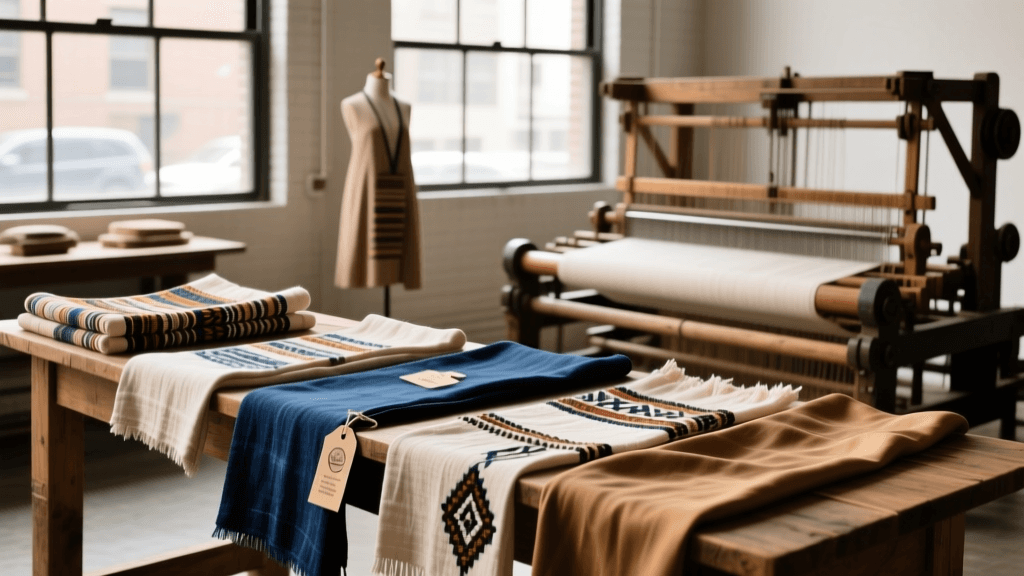
The 2026 Evolution of American Fashion Hubs
Welcome to the 2026 landscape of American fashion sourcing. Over the past decade, the iconic garment districts of New York City and Los Angeles have undergone a remarkable transformation. Once primarily associated with fast fashion, mass production, and rapid turnarounds, these historic hubs have pivoted to meet the urgent demands of modern designers: sustainability, ethical production, and cultural authenticity. For researchers, historians, and designers dedicated to the preservation and modern adaptation of Americas and Indigenous traditional garments, these districts now offer unprecedented access to heritage textiles, sustainable fibers, and ethically sourced materials.
Navigating the sprawling aisles of fabric showrooms and wholesale trims requires strategy, especially when your goal is to source materials that honor traditional textile arts. Whether you are looking for heavy melton wools for historical winter garment replication, sustainable organic cottons inspired by Mesoamerican weaving traditions, or authentic indigenous-collaborative prints, this comprehensive 2026 guide will help you navigate the concrete jungles of NYC and LA to find the perfect textiles for your next project.
New York City Garment District: Heritage Wools, Silks, and Trims
Bounded roughly by 34th and 42nd Streets, between Fifth and Ninth Avenues, the Manhattan Garment District remains the beating heart of American high fashion and theatrical costuming. In 2026, the district has successfully integrated digital inventory systems with the tactile, old-world charm of physical swatching. For designers focusing on traditional North American and Indigenous garments, NYC is the premier destination for high-quality wools, structured canvases, and historical trims.
Top NYC Showrooms for Traditional Materials
- New York Elegant Fabrics (222 W 40th St): A staple for high-end wools, cashmeres, and heavy silks. If you are replicating 19th-century trade cloth garments or require premium broadcloth for structured traditional coats, their extensive library of heritage weaves is unmatched. In 2026, they have expanded their eco-friendly dye options, allowing for historically accurate colors without the toxic runoff of the past.
- Mood Fabrics (225 W 37th St): Famous worldwide, Mood's three floors of inventory can be overwhelming, but their dedicated 'Natural and Sustainable' section on the second floor is a goldmine. Look here for raw silks, unbleached linens, and heavy canvas materials suitable for utilitarian and traditional workwear adaptations.
- Spandex House (263 W 38th St): While traditional garments rarely call for elastane, Spandex House is essential for modern designers creating contemporary Indigenous streetwear or adaptive traditional clothing that requires stretch and mobility without sacrificing the aesthetic of heritage woven patterns.
Practical Tips for NYC Sourcing
When visiting the NYC Garment District in 2026, timing is everything. Showrooms are notoriously busy between 10:00 AM and 2:00 PM. Arrive right at opening (usually 9:00 AM) to get personalized attention from the floor staff, many of whom have decades of experience and can point you toward deadstock vintage fabrics that are perfect for historical accuracy. Always bring physical reference photos or digital swatches on a tablet, as AI-assisted visual search tools are now standard at most major showroom front desks to help locate specific weave structures.
Los Angeles Fashion District: Sustainable Cottons and Artisan Weaves
The Los Angeles Fashion District, spanning over 100 blocks downtown, offers a distinctly different vibe from its East Coast counterpart. LA is the undisputed king of denim, sustainable cottons, and imported artisan weaves. Because of its geographic and cultural proximity to Latin America, the LA district is an exceptional resource for designers exploring the textile traditions of the Americas, from Andean-inspired alpaca blends to Oaxacan-style cotton weaves.
Top LA Showrooms for Heritage Textiles
- Michael Levine (125 E 9th St): An LA institution. The main store is fantastic for apparel fabrics, but the adjacent 'Home Decor' warehouse is where you will find heavy, traditional woven textiles, jacquards, and upholstery-weight fabrics that can be adapted for structural traditional garments, bags, and ceremonial regalia accessories.
- Textile Fabric Associates (TFA) (1036 S. Los Angeles St): TFA is renowned for its vast selection of natural fibers and sustainable blends. In 2026, their commitment to traceable supply chains means you can source organic cottons and hemp blends with full transparency, ideal for designers creating eco-conscious interpretations of traditional Mesoamerican and South American garments.
- The California Market Center (CMC): While primarily a wholesale showroom building for finished apparel, the CMC hosts seasonal textile trade shows that are vital for networking with importers who specialize in authentic, cooperative-sourced Latin American textiles.
Navigating Santee Alley and Wholesale Zones
Santee Alley is famous for bargain hunting, but for heritage and traditional textiles, it requires a discerning eye. In 2026, many importers in the alley offer beautiful, vibrant woven fabrics that mimic traditional Latin American and Indigenous patterns. However, buyers must be highly vigilant regarding cultural appropriation and counterfeit goods. Always ask for the origin of the fabric and seek out vendors who can prove they are sourcing directly from artisan cooperatives rather than mass-producing stolen indigenous designs.
2026 Sourcing Comparison: NYC vs. LA
| Feature | NYC Garment District | LA Fashion District |
|---|---|---|
| Primary Focus | High-end wools, silks, theatrical, and structured tailoring fabrics. | Denim, sustainable cottons, casual knits, and imported artisan weaves. |
| Best For | North American historical replication, heavy winter traditional garments. | Latin American textile inspiration, sustainable everyday traditional wear. |
| Transit & Walkability | Highly walkable, dense, accessible via Penn Station / Times Square subways. | Sprawling, requires rideshares or the Metro D Line to navigate efficiently. |
| Typical MOQs (2026) | Lower MOQs (5-15 yards) in retail showrooms; higher for wholesale. | Retail cuts available; wholesale often requires full roll (50+ yards). |
Ethical Sourcing: Respecting Indigenous Textile Traditions
For designers and brands operating within the Americas and Indigenous fashion space, ethical sourcing is not just a trend; it is a legal and moral imperative. The line between cultural appreciation and cultural appropriation is defined by consent, compensation, and authenticity. When sourcing textiles that feature traditional motifs, you must ensure you are not purchasing mass-produced, stolen designs that exploit Indigenous communities.
In the United States, the Indian Arts and Crafts Board (IACB), an agency within the Department of the Interior, enforces the Indian Arts and Crafts Act. This federal truth-in-advertising law prohibits the misrepresentation of Native American arts and crafts. While this primarily applies to finished goods, the ethical framework extends to textile sourcing. If a fabric supplier in NYC or LA claims a print is 'Authentic Navajo' or 'Traditional Hopi,' they must be able to verify that the design was licensed directly from the tribal nation or created by an enrolled tribal member. Many major showrooms in 2026 now require certificates of authenticity for any fabric marketed with specific Indigenous tribal names.
Furthermore, sustainability and cultural preservation are deeply intertwined. Organizations like the Council of Fashion Designers of America (CFDA) Sustainability Hub provide vital resources for designers looking to build ethical supply chains. When sourcing materials inspired by the Americas, prioritize vendors who partner directly with artisan cooperatives in regions like Oaxaca, Guatemala, or the Andes, ensuring fair wages and the preservation of ancestral weaving techniques. The Smithsonian National Museum of the American Indian also offers extensive educational resources and exhibitions that can help designers understand the deep cultural significance of specific patterns, dyes, and weaving structures before attempting to incorporate them into modern designs.
Practical Tips for Your 2026 Sourcing Trip
- Embrace Digital Swatching: Both NYC and LA districts have adopted digital swatch libraries. Before hauling heavy fabric bolts across the country, use showroom portals to order physical memo samples. This saves on shipping costs and allows you to test the drape and weight of heritage fabrics in your own studio.
- Build Relationships with Jobbers: Jobbers are independent sellers who buy leftover fabric from major fashion houses. In the outer edges of both the NYC and LA districts, jobbers are the best source for rare, deadstock heritage fabrics that are no longer in production. Building a relationship with a trusted jobber can yield incredible finds for one-of-a-kind traditional garments.
- Understand the New Labeling Laws: The FTC has updated its textile labeling guidelines for 2026, placing stricter requirements on the disclosure of fiber origins and sustainable claims. Ensure the fabrics you purchase come with proper documentation so your final garments comply with federal truth-in-labeling standards.
Conclusion
The garment districts of New York City and Los Angeles remain indispensable resources for designers exploring the rich tapestry of Americas and Indigenous clothing traditions. By approaching your 2026 sourcing trips with a commitment to ethical purchasing, cultural respect, and historical accuracy, you can find the perfect materials to honor the past while innovating for the future. Whether you are hunting for the perfect heavy wool in Manhattan or seeking sustainable, cooperative-sourced cottons in downtown LA, the American fashion hubs are ready to support your vision with unparalleled variety and depth.