LDS Temple Garments in 2026: Religious Meaning and Modern Styles

The Sacred Symbolism and Religious Meaning of Temple Garments
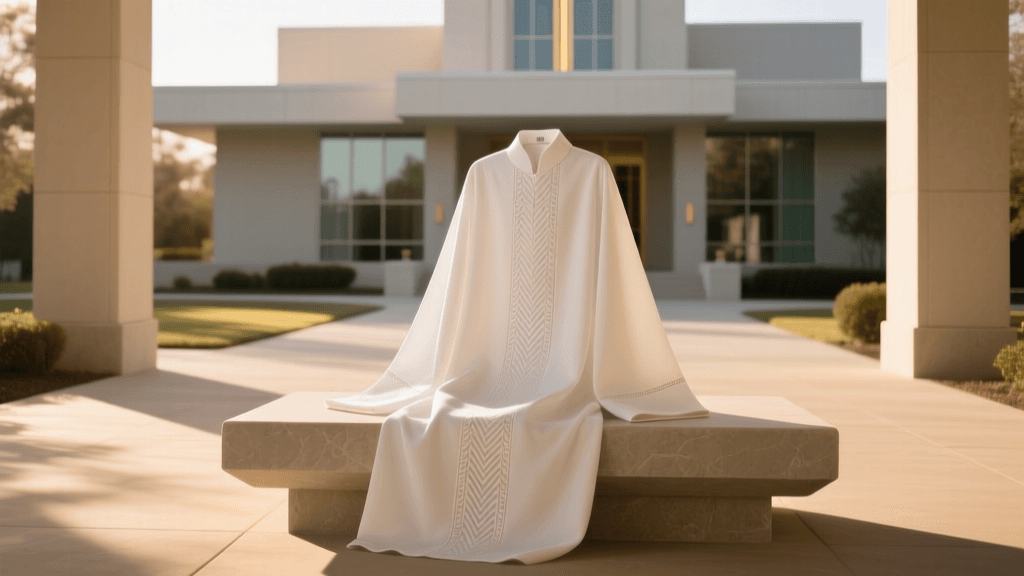
For members of The Church of Jesus Christ of Latter-day Saints, temple garments represent one of the most deeply personal and sacred elements of their religious practice. Often referred to simply as 'garments,' these underclothes are worn by adult members who have participated in the temple endowment ceremony. As of 2026, the cultural and religious significance of these garments continues to be a cornerstone of Latter-day Saint identity across the Americas and globally.
The religious meaning of the garment is rooted in covenants—sacred promises made between the individual and God. According to the General Handbook of The Church of Jesus Christ of Latter-day Saints, the garment serves as a constant, physical reminder of these covenants. It is designed to promote modesty, provide spiritual protection, and act as a shield against the temptations of the modern world. Unlike outer clothing, which is often chosen for fashion or cultural expression, the garment is strictly utilitarian and spiritual, meant to be worn beneath outer clothing day and night.
Historically, the design of the garment has evolved since its introduction in the 1840s in Nauvoo, Illinois. Early iterations were one-piece, full-length union suits. Today, the garments are manufactured as two-piece sets (a top and bottom) featuring specific symbolic marks woven or embroidered into the fabric. These marks correspond to teachings from the endowment ceremony, representing concepts such as honor, integrity, and the pursuit of divine knowledge. While the outward style has adapted to modern clothing trends, the internal religious meaning remains entirely unchanged.
Indigenous Latter-day Saints: The Intersection of Cultural and Sacred Dress
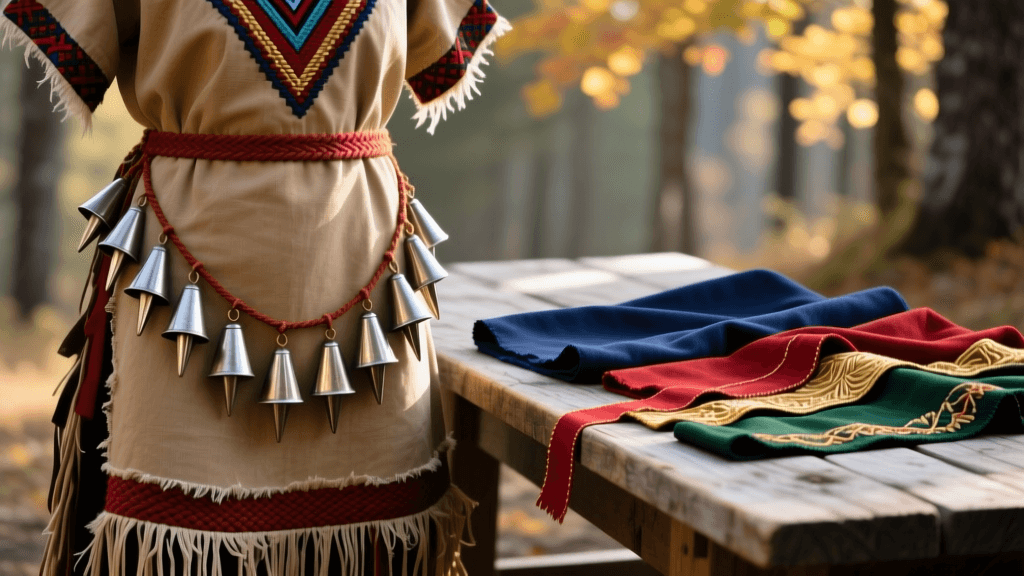
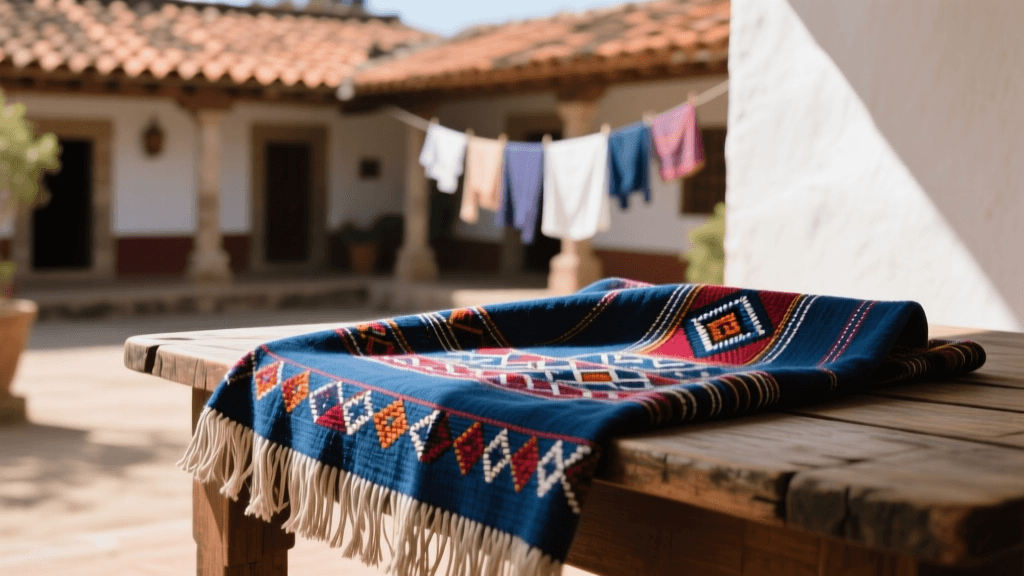
Within the 'Americas & Indigenous' context, the wearing of temple garments takes on a unique and profound dimension for Indigenous Latter-day Saints. Across North, Central, and South America, Indigenous peoples possess rich, ancient traditions of textile arts, weaving, and ceremonial regalia. For members of nations such as the Diné (Navajo) in the American Southwest, the Maya in Mesoamerica, or the Mapuche in South America, clothing is deeply intertwined with ancestral identity, community status, and spiritual worldview.
When an Indigenous person embraces the Latter-day Saint faith and participates in temple ordinances, they integrate the sacred garment into their existing cultural framework. In 2026, many Indigenous members navigate a beautiful dual identity. The temple garment is worn as the foundational, sacred layer closest to the skin, while traditional cultural attire—such as hand-woven Mayan huipiles, intricate Navajo velvet shirts, or Andean textiles—is worn over it. This layering represents a physical manifestation of their dual heritage: the inner layer symbolizing their eternal covenants with God, and the outer layer celebrating their Indigenous ancestry and community ties.
Furthermore, the Church's distribution networks have increasingly recognized the needs of rural and Indigenous communities. In remote areas of the Americas where physical distribution centers are scarce, the 2026 direct-to-home shipping initiatives have made it significantly easier for Indigenous members to access properly fitted garments without traveling hundreds of miles to urban temples or stores.
Navigating the Americas: Climate-Specific Fabrics for 2026
The Americas encompass a staggering variety of climates, from the freezing, wind-swept winters of the Canadian Prairies and Patagonia to the sweltering, high-humidity environments of the Amazon Basin and the Caribbean. Choosing the right garment fabric is a highly practical concern for members in 2026, as comfort directly impacts the ability to wear the garment consistently and respectfully.
The Official Church Distribution Store offers a diverse lineup of technical and natural fabrics engineered to meet these diverse environmental demands. In recent years, there has been a significant shift toward moisture-wicking, sustainable, and high-stretch materials that accommodate active lifestyles and extreme weather.
2026 Garment Fabric and Style Comparison
| Fabric Type | Best Climate / Use Case | Key Features (2026 Specifications) |
|---|---|---|
| 100% Cotton | Temperate / Moderate | Highly breathable, traditional feel, durable. Best for everyday wear in mild weather. |
| Cotton/Modal Blend | Variable / Office Wear | Exceptionally soft, resists shrinking, drapes well under professional or formal attire. |
| Stretch Modal (Spandex) | Active / Athletics | 4-way stretch, form-fitting, retains shape. Ideal for gym, sports, and physical labor. |
| CoolMax Mesh | Tropical / High Humidity | Ultra-lightweight, rapid moisture evaporation, anti-microbial treatment. Essential for jungle or coastal heat. |
| Thermal Cotton Blend | Cold / Winter | Brushed interior for heat retention, longer hems to tuck securely in cold-weather layering. |
Modern Styles for Men and Women in 2026
The evolution of outerwear fashion has necessitated changes in the cut and silhouette of temple garments so that they remain hidden beneath modern clothing. In 2026, both men and women have access to a wide variety of necklines and sleeve lengths, allowing for modesty and discretion without compromising personal style or professional dress codes.
Women's Styles: Women's garments have seen the most significant diversification to accommodate contemporary fashion. The standard cap-sleeve crew neck remains popular, but 2026 catalogs prominently feature scoop-neck, V-neck, and rounded hem options. These variations allow women to wear garments discreetly under business blouses, evening wear, or summer dresses without the garment lines showing. The women's bottoms are available in traditional briefs, boy shorts, and capri lengths, providing comfort and coverage under everything from athletic wear to long skirts.
Men's Styles: Men's garments are available in crew-neck and V-neck tops, with the V-neck being particularly popular for wearing beneath unbuttoned collared shirts or casual tees. For the bottoms, the traditional brief has been largely supplemented by the boxer-brief style, which is highly favored by younger members and active professionals for its comfort and modern fit. The boxer-briefs are available in varying inseam lengths to prevent chafing during physical activity or long hours of travel.
Purchasing, Sizing, and Distribution in 2026
Acquiring temple garments is a straightforward process, though it requires a current temple recommend, which is verified digitally at the point of purchase. In 2026, the vast majority of members purchase their garments online through the Church's official distribution portal, though physical Deseret Book stores and temple distribution centers remain vital resources, especially for those who prefer to feel the fabrics and get measured in person.
Getting the Right Fit: Proper fit is essential for both comfort and reverence. A garment that is too tight can cause physical discomfort and wear out prematurely, while one that is too loose may bunch up and become a distraction. The 2026 online sizing guide utilizes a comprehensive measurement system. Members are advised to measure their chest, waist, and hips using a soft fabric tape measure, comparing their numbers to the dynamic sizing charts provided on the portal. For those experiencing weight fluctuations or transitioning between sizes, the stretch-modal blends are highly recommended for their forgiving and adaptive fit.
Cost and Accessibility: The Church operates its distribution centers on a non-profit basis, meaning garments are sold at the cost of production and shipping. As of 2026, a standard two-piece set typically costs between $12 and $18 USD, depending on the fabric technology selected. For members facing financial hardship, local bishops have access to fast-offering funds to assist with the purchase of essential religious clothing, ensuring that economic status never prevents a member from honoring their covenants.
Respectful Care and Disposal
Because of their sacred nature, temple garments must be treated with a level of respect that goes beyond standard laundry practices. Members are taught to wash garments regularly, using standard detergents, but to avoid washing them with heavily soiled or disrespectful items. They should be dried carefully to prevent the degradation of the elastic and the symbolic marks.
When a garment becomes worn, stretched out, or damaged beyond repair, it cannot simply be thrown into the regular household trash or donated to a thrift store. The proper method of disposal, as outlined by Church leadership, involves carefully cutting out the sacred marks from the fabric. These marks must be destroyed (usually by shredding or cutting them into unrecognizable pieces) before being discarded. The remaining fabric, now devoid of its sacred symbols, can be disposed of in the regular trash or repurposed as cleaning rags. This meticulous process underscores the deep reverence Latter-day Saints hold for the covenants the garments represent, maintaining the boundary between the sacred and the profane even at the end of the garment's physical lifecycle.
Conclusion
As we navigate 2026, the LDS temple garment remains a vital, living tradition for millions of Latter-day Saints across the Americas. Whether worn beneath the business suits of corporate professionals in New York, the traditional woven textiles of Indigenous artisans in Oaxaca, or the lightweight linens of members in the Brazilian tropics, the garment serves as a unifying spiritual anchor. By continuously adapting its fabrics and styles to meet the practical needs of a diverse, modern membership, the Church ensures that this sacred clothing remains a comfortable, meaningful, and enduring symbol of faith in the modern era.