Ojibwe Jingle Dress Regalia: Sourcing Materials in 2026
The Healing Origins of the Jingle Dress
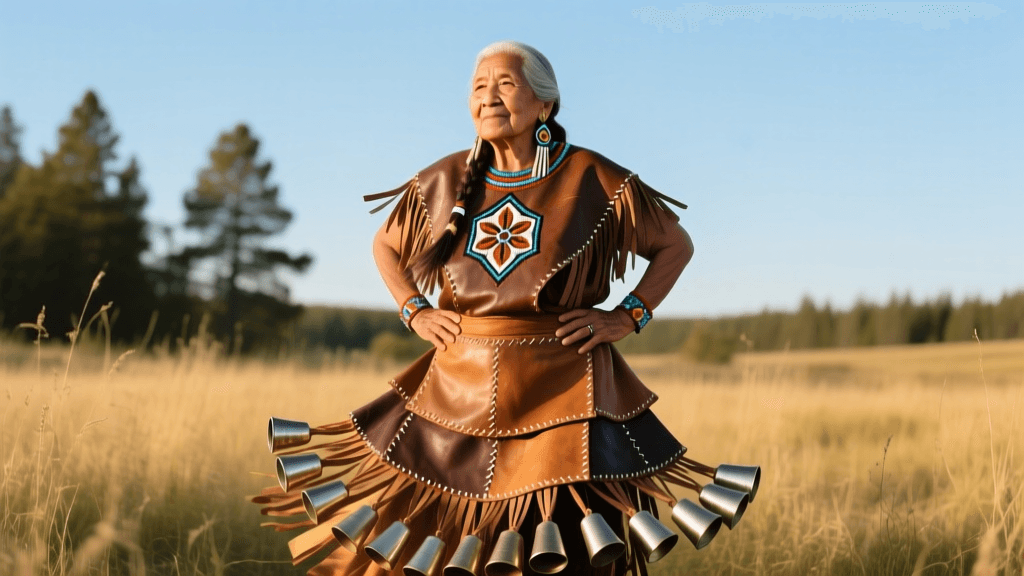
The Jingle Dress, known in the Ojibwe language as the Bibigwan, is far more than a beautiful garment; it is a profound symbol of healing, resilience, and spiritual medicine. Originating in the early 20th century among the Mille Lacs Band of Ojibwe in Minnesota, the dress was born from a vision of healing during a time of widespread illness. Today, the Jingle Dress Dance is a staple at powwows across North America, recognized for its distinctive, rain-like sound created by the metal cones striking one another during the dancer's movements. As we navigate the cultural and textile landscape of 2026, the demand for authentic, high-quality materials to construct these sacred garments has never been higher. Whether you are an Indigenous artisan continuing your family's lineage or a community member preparing for your first dance, understanding where and how to source proper materials is essential.
Deconstructing the Regalia: Essential Components
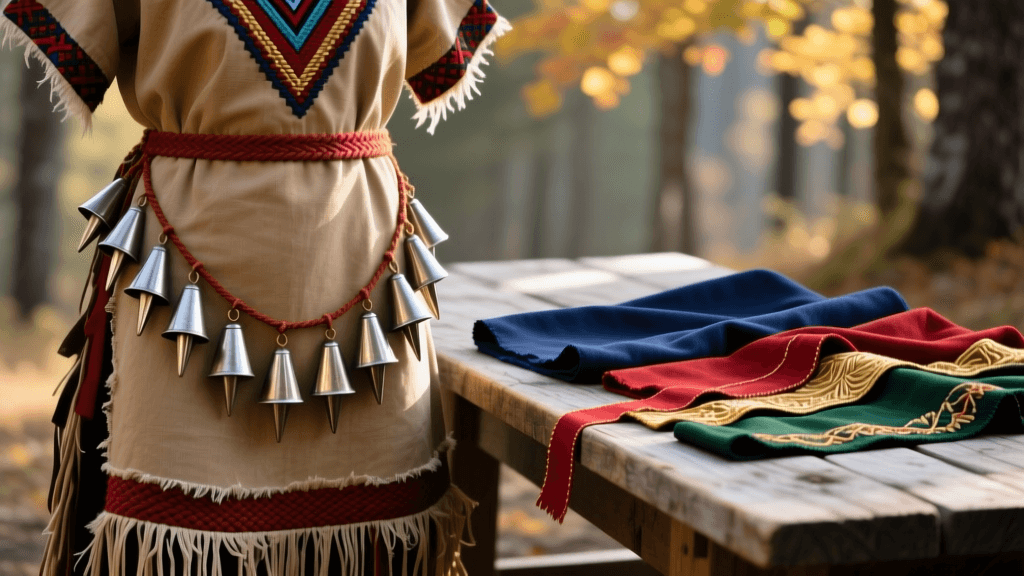
Creating a Jingle Dress requires a meticulous approach to material selection. The regalia is typically composed of a base fabric, intricate ribbon appliqué, and, most importantly, the rolled metal cones. In 2026, the intersection of traditional knowledge and modern textile availability offers artisans more choices than ever, but it also requires a discerning eye to avoid cheap, mass-produced imitations that lack the proper weight, sound, and cultural integrity.
The Cones (Zhiishiigwanan)
Historically, the first jingle dresses utilized lids from snuff or tobacco tins, carefully rolled into conical shapes. Today, while some traditionalists still hand-roll their own cones from raw sheet metal, most dancers source pre-rolled or semi-rolled cones crafted from German silver, brass, or copper. The metal choice drastically affects the sound: German silver produces a bright, high-pitched chime, while copper offers a deeper, more muted resonance. When sourcing cones in 2026, it is critical to purchase from Indigenous-owned metalworkers or specialized Native trade vendors who understand the precise taper and thickness required for the cones to 'sing' correctly without denting upon impact.
Base Fabrics: Broadcloth and Calico
The foundation of a traditional Jingle Dress is usually made from Melton wool broadcloth or high-quality cotton calico. Melton wool is highly prized for its durability, heavy drape, and ability to withstand the vigorous movements of the dance without tearing. However, the global textile market has seen significant shifts in 2026, with sustainable and ethically milled wools becoming the standard. Artisans are increasingly sourcing directly from heritage mills that offer colorfast, moth-resistant Melton wool in traditional shades like deep royal blue, forest green, and vibrant red. For summer powwows, breathable, tightly woven cotton calico with traditional floral prints remains a popular, lightweight alternative.
Ribbonwork and Appliqué
The striking geometric and floral patterns adorning the hem, sleeves, and yoke of the dress are achieved through ribbon appliqué. Satin ribbons, historically made of silk, are now frequently sourced in high-grade double-faced nylon or polyester blends that resist fraying and fading under harsh outdoor sun. In 2026, laser-cut ribbon templates have become available from Native-owned craft cooperatives, allowing for perfectly symmetrical floral motifs that honor the Woodland art style while saving hundreds of hours of hand-cutting.
2026 Sourcing Guide: Where to Find Authentic Materials
Finding reliable vendors who respect the cultural significance of regalia materials is paramount. Below is a comparative guide to sourcing the primary components for a Jingle Dress in the current market.
| Material Component | Best Use Case | 2026 Average Cost | Recommended Vendor Type |
|---|---|---|---|
| German Silver Cones (Gross) | Bright, traditional chime sound | $45 - $65 per gross | Indigenous Metalworkers & Specialty Trade Posts |
| Melton Wool Broadcloth (Yard) | Durable, heavy-drape base fabric | $35 - $55 per yard | Heritage Textile Mills & Native Art Co-ops |
| Cotton Calico (Yard) | Lightweight, summer dance base | $12 - $20 per yard | Online Quilting & Native Fabric Retailers |
| Double-Faced Satin Ribbon | Appliqué, hem, and yoke decoration | $8 - $15 per 10-yard spool | Specialty Regalia Supply Stores |
| Beading Thread (Silk/Nylon) | Attaching cones and decorative beading | $6 - $12 per spool | Leatherworking & Beading Suppliers |
Construction and Assembly Considerations
The assembly of a Jingle Dress is a labor of love that requires specialized sewing techniques. The cones must be attached using heavy-duty upholstery thread or waxed sinew, as standard cotton thread will snap under the kinetic stress of the dance. In 2026, many artisans utilize specialized heavy-duty sewing machines with walking feet to manage the thick layers of Melton wool and ribbon. The cones are typically spaced one to two inches apart in staggered rows across the bodice and sleeves. A standard adult dress requires anywhere from 300 to 700 cones, depending on the desired density and the size of the dancer. The weight of a fully loaded wool dress can exceed 15 pounds, making the structural integrity of the seams absolutely critical.
Footwear and Accessories
The regalia is not complete without the accompanying accessories. Beaded moccasins, often featuring matching floral motifs, are essential. Leggings, beaded belts, and a matching purse or fan complete the silhouette. Hair ties adorned with ribbons and eagle or turkey feathers (subject to local and federal wildlife regulations) are worn to accentuate the dancer's head movements. Sourcing these accessories from fellow Native artists not only ensures cultural authenticity but also supports the broader Indigenous artisan economy, which has seen a robust resurgence supported by organizations like the National Endowment for the Arts through their 2026 heritage craft grants.
Cultural Protocol and Respect
It is vital to emphasize that the Jingle Dress is a sacred item of spiritual and cultural significance, not a costume. The protocols surrounding the creation, wearing, and handling of the dress are deeply rooted in Ojibwe tradition. Dancers often fast, pray, or seek guidance from elders before making or wearing a new dress. Furthermore, the dress should never touch the ground, and it is treated with the utmost reverence when not in use. As highlighted by ongoing cultural education efforts reported by Indian Country Today, understanding the boundary between cultural appreciation and appropriation is crucial for anyone interacting with Native American regalia. Non-Indigenous individuals should refrain from making or wearing Jingle Dresses, leaving this powerful healing tradition to the Native communities to whom it belongs.
Maintenance and Storage for 2026 and Beyond
Proper care ensures that a Jingle Dress can be passed down through generations. After a powwow season, the dress must be thoroughly aired out to remove moisture and sweat, which can cause the metal cones to rust and stain the fabric. In 2026, many dancers utilize specialized, breathable canvas garment bags infused with natural cedar and sweetgrass to deter moths and maintain a pleasant, traditional scent. The dress should be stored flat or loosely rolled in a cool, dry environment. If a cone becomes crushed or loses its sound, it should be carefully snipped off and replaced, maintaining the integrity of the dress's voice.
Conclusion
Sourcing materials for an Ojibwe Jingle Dress in 2026 is a journey that connects the artisan to both the deep historical roots of the Mille Lacs Ojibwe and the vibrant, evolving network of contemporary Native makers. By prioritizing authentic materials, supporting Indigenous vendors, and adhering to traditional protocols, dancers and creators ensure that the healing song of the Bibigwan continues to resonate across powwow arenas for generations to come. The investment in quality broadcloth, precisely rolled metal cones, and vibrant ribbons is ultimately an investment in the preservation of a living, breathing cultural treasure.