LDS Temple Garment Styles & Materials Guide for 2026
The Sacred Context and Modern Evolution
For members of The Church of Jesus Christ of Latter-day Saints, the temple garment represents a deeply sacred covenant and a constant, personal reminder of the promises made within the temple. While the spiritual significance and the sacred marks embedded within the fabric remain entirely unchanged, the physical construction, materials, and styles of these garments have seen significant, thoughtful updates leading into 2026. As the Church continues to expand globally, the need for diverse textile solutions that accommodate varying climates, cultures, and modern lifestyles has driven a new era of garment design.
According to the official Gospel Topics Essay on Temple Garments, the garment serves as a shield and a protection, providing a 'reminder of covenants and obligations.' To ensure that this sacred clothing can be worn comfortably and reverently in every corner of the globe, Church Distribution Services has continually refined the manufacturing process. The 2026 lineup represents the pinnacle of this evolution, blending traditional reverence with advanced textile engineering.
Material Innovations: What Are 2026 Garments Made Of?
The days of a single, heavy cotton option are long gone. In 2026, members have access to a highly specialized array of fabric blends designed for specific environments and activity levels. Understanding these materials is crucial for selecting the right garment for your daily needs.
The Standard Cotton-Modacrylic Blend
The foundational fabric for most traditional garments remains a meticulously engineered blend of cotton and modacrylic fibers. Modacrylic is a synthetic copolymer that provides exceptional durability, shape retention, and flame-resistant properties. In the 2026 standard blend, the ratio of natural cotton to modacrylic has been optimized to offer a softer hand-feel against the skin while ensuring the garment withstands hundreds of wash cycles without shrinking or losing its structural integrity. This blend remains the gold standard for everyday wear in temperate climates.
Stretch Mesh and Performance Blends
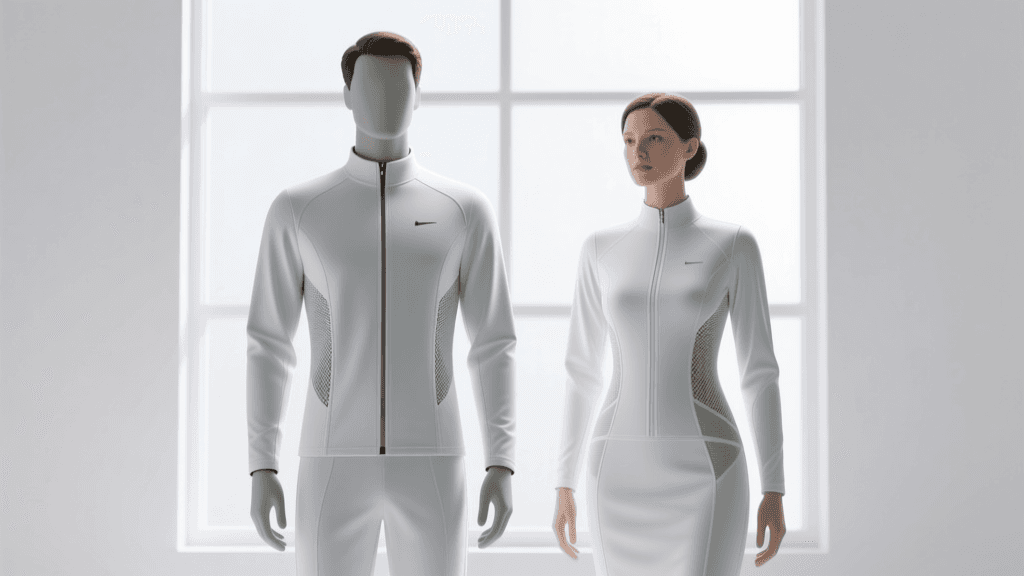
For active members, athletes, or those living in high-humidity environments, the stretch mesh and performance nylon-spandex blends are the preferred choice. These garments feature a micro-perforated knit that allows for maximum airflow and moisture-wicking. The 2026 updates to the performance line have introduced enhanced four-way stretch capabilities, ensuring the garment moves seamlessly with the body during rigorous physical activity without bunching or riding up. The elastane content has been carefully calibrated to provide compression-like support while maintaining the modesty and opacity required of sacred clothing.
Heat-Weather and Tropical Options
Recognizing the challenges faced by members in tropical and desert regions, the Church offers specialized heat-weather garments. These are constructed from ultra-lightweight, breathable cotton blends with a looser weave. The 2026 heat-weather line features reinforced stitching at stress points to compensate for the lighter fabric weight, ensuring longevity even when washed frequently in hard water or harsh detergents common in developing regions.
Women's Garment Styles: The 2026 Lineup
The most significant modernization in recent years has been the introduction and refinement of women's specific styles, which are now fully integrated into the 2026 distribution catalog. As highlighted by the Church Newsroom regarding women's garment styles, these designs were developed in direct consultation with female members to address modesty concerns under modern, professional, and athletic clothing.
The Camisole Style
The camisole garment features narrow straps and a scooped neckline, designed specifically to remain hidden under modern women's blouses, dresses, and professional attire. The 2026 camisole includes a reinforced, double-lined bust area for modesty and opacity, while the sacred marks are precisely placed to remain intact regardless of the narrower strap design. The hems are finished with lay-flat binding to prevent visible lines through sheer or fitted clothing.
The Cap-Sleeve Style
Bridging the gap between the traditional t-shirt style and the camisole, the cap-sleeve garment offers slightly more shoulder coverage while maintaining a feminine, tailored fit. The sleeves are cut at a slight angle to prevent binding at the underarm, and the torso is subtly contoured to accommodate a woman's silhouette without clinging. This style has become the most popular choice for women in 2026 due to its versatility across both casual and formal wardrobes.
Traditional and Round-Neck Styles
For those who prefer maximum coverage, the traditional round-neck and V-neck styles remain available. These feature a classic t-shirt cut with full sleeves extending to the mid-bicep. The 2026 iterations of these traditional styles feature upgraded, tagless screen-printed sizing information and seamless side panels to reduce chafing.
Men's Garment Styles: Fit and Functionality
While men's styles have historically seen fewer radical changes, the 2026 catalog offers refined fits that cater to modern menswear and active lifestyles.
Crew and V-Neck Options
The standard crew neck and V-neck garments remain the cornerstone of the men's lineup. The V-neck is particularly favored for wear under unbuttoned casual shirts or business casual polos. In 2026, the collar bands on both styles have been upgraded with a memory-rib knit that prevents the dreaded 'bacon collar' effect, ensuring the neckline lies flat throughout the day.
Athletic and Performance Fits
Men's performance garments in 2026 feature a tailored, athletic cut. Unlike the traditional boxy fit, these garments taper slightly at the waist and feature elongated torsos to prevent the fabric from pulling out of the waistband during bending or lifting. The gusseted underarms provide a full range of motion, making them ideal for manual labor, sports, and outdoor recreation.
Comprehensive Fabric and Style Comparison Table
To help members navigate the Official Church Distribution Store, the following table outlines the primary 2026 options, their ideal use cases, and available styles.
| Fabric Type | Primary Composition | Best Climate / Use Case | Available Styles (2026) |
|---|---|---|---|
| Standard Blend | Cotton / Modacrylic | Temperate climates, daily office wear, year-round use. | Men's Crew/V-Neck, Women's Traditional/Cap-Sleeve |
| Stretch Mesh | Nylon / Spandex | High humidity, athletic activities, tight-fitting outerwear. | Men's Athletic, Women's Camisole/Cap-Sleeve |
| Heat-Weather | Lightweight Cotton Blend | Tropical, desert, and extreme heat environments. | Men's Crew, Women's Traditional/Cap-Sleeve |
| Cold-Weather | Cotton / Polyester Thermal | Winter months, outdoor labor in freezing temperatures. | Men's Crew, Women's Traditional (Longer hem) |
Sizing, Fit, and Global Distribution in 2026
One of the most practical updates for 2026 is the overhaul of the digital sizing and distribution infrastructure. The Church has rolled out an interactive, AI-assisted sizing guide on the official distribution app and website. By inputting basic measurements, members receive highly accurate size recommendations, significantly reducing the rate of returns and exchanges.
Furthermore, the Church has expanded its regional distribution hubs, particularly in South America, Africa, and Southeast Asia. This decentralization means that members in these regions no longer have to wait weeks for shipments from Salt Lake City. Localized manufacturing partnerships have ensured that the 2026 garment catalog is fully stocked and accessible globally, with shipping times reduced to a matter of days rather than months.
Best Practices for Garment Care
With the introduction of advanced elastane and modacrylic blends, proper care is essential to maintain the integrity and sacred markings of the garments. The 2026 care guidelines recommend the following:
- Washing: Use cold or warm water. High heat can degrade the spandex in performance meshes and cause the modacrylic fibers to become brittle over time.
- Detergents: Opt for mild, enzyme-free detergents. Harsh stain removers and bleach alternatives can weaken the fibers and fade the sacred marks.
- Drying: Tumble dry on low heat or air dry. The stretch mesh and camisole styles, in particular, should be air-dried to preserve their elasticity and shape-retention properties.
- Storage: Fold garments neatly rather than hanging them, as hanging can stretch the shoulder seams, especially on the women's camisole and cap-sleeve styles.
Conclusion
The 2026 lineup of LDS temple garments reflects a profound respect for the sacred nature of the covenants they represent, coupled with a practical understanding of the modern, global membership. From the moisture-wicking stretch meshes designed for athletes to the elegantly tailored camisoles that accommodate professional women's fashion, the Church continues to provide options that allow members to wear their garments comfortably and confidently in any situation. By understanding the materials, styles, and care instructions available today, members can make informed choices that best support their daily lives and spiritual commitments.