Mormon Temple Garments in 2026: Meaning, Styles & Traditions
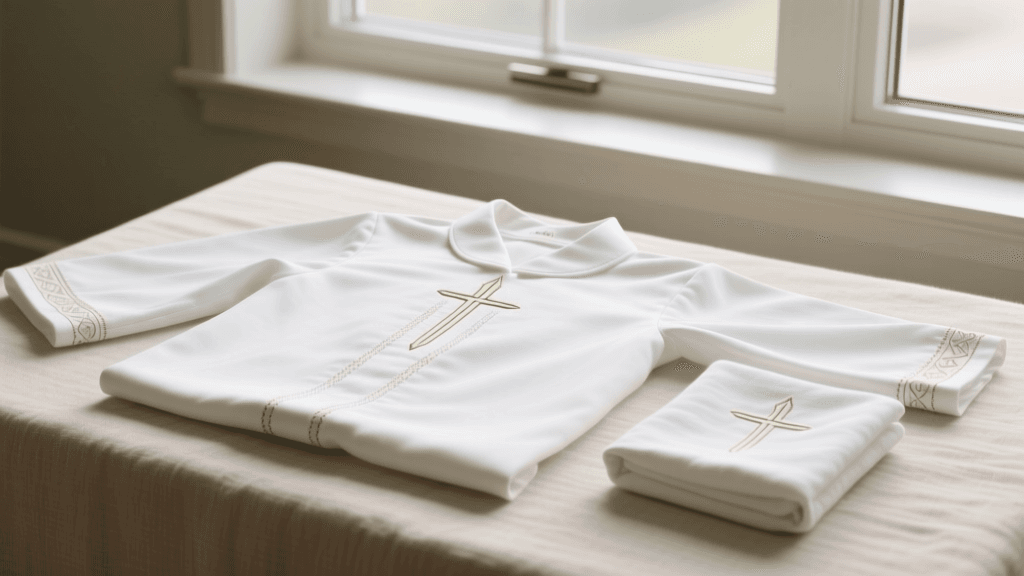
Introduction to LDS Temple Garments
For members of The Church of Jesus Christ of Latter-day Saints, clothing often transcends mere fashion or utility, serving as a deeply personal expression of faith and devotion. At the heart of this sartorial tradition are Mormon temple garments, frequently referred to by outsiders as 'Mormon undergarments.' To the millions of endowed Latter-day Saints worldwide, these sacred garments are a vital, daily component of their spiritual lives. As we navigate the landscape of religious dress in 2026, understanding the profound meaning, evolving styles, and enduring traditions of LDS temple garments offers a unique window into how ancient covenants intersect with modern daily life.
This comprehensive guide explores the theological purpose of temple garments, traces their historical evolution, and provides an actionable, up-to-date breakdown of the fabrics, styles, and purchasing methods available to Church members in 2026.
The Spiritual Meaning and Sacred Purpose
To understand the purpose of temple garments, one must first understand the context in which they are received. Endowed members of the Church make sacred covenants (promises) with God inside Latter-day Saint temples. The garment is received as a physical reminder of these spiritual commitments. According to the official Church Newsroom, the garment serves as a 'shield and protection' to the wearer. It is crucial to clarify that this protection is spiritual, not physical; it is a reminder of the wearer's covenants that helps them resist temptation and remain faithful to their beliefs.
The garments feature specific symbolic marks woven or embroidered into the fabric. Historically, these marks included the square, the compass, the navel mark, and the knee mark. Each symbol carries deep theological weight, representing concepts such as honor, integrity, the eternal nature of the soul, and the willingness to kneel in prayer. In 2026, while the manufacturing techniques have modernized to improve comfort and durability, the sacred nature of these symbols remains entirely unchanged. The garment is treated with the utmost respect, never left on the floor, and handled reverently during laundering.
Historical Context and Enduring Traditions
The tradition of wearing sacred undergarments dates back to the early 1840s in Nauvoo, Illinois, when Church founder Joseph Smith introduced the temple endowment. Early garments were essentially one-piece 'union suits' made of heavy flannel or cotton, extending to the wrists and ankles. As the decades passed and global climates, fashion norms, and manufacturing capabilities evolved, the Church leadership authorized adjustments to the garment's design to ensure it remained practical for everyday wear without compromising its sacred symbolism.
The most significant shift occurred in the mid-20th century when the one-piece suit was adapted into the modern two-piece design: a t-shirt style top and knee-length shorts. Today, the tradition dictates that endowed members wear the garment day and night, removing it only for activities where it would be damaged, cause undue discomfort, or where modesty requirements necessitate a change (such as swimming or showering). This continuous wear serves as an intimate, constant reminder of the wearer's identity and commitments as a disciple of Jesus Christ.
2026 Guide to Garment Styles and Fabrics
The Church's distribution network has continually refined its textile offerings to meet the diverse needs of a global membership. In 2026, the catalog of available garments is more versatile than ever, featuring advanced moisture-wicking technologies, sustainable cotton blends, and specialized cuts for different body types and climates. Below is a comparison chart of the primary styles available through the official Church distribution store this year.
| Style Name | Material Composition | Best Use Case | 2026 Key Features |
|---|---|---|---|
| Classic Cotton | 100% Premium Cotton | Everyday wear, sensitive skin, cooler climates | Pre-shrunk weave, reinforced seams, breathable |
| Stretch Mesh | Polyester/Spandex Blend | Athletics, hot/humid climates, active lifestyles | Enhanced moisture-wicking, quick-dry technology |
| Modesty Panel | Cotton with Lace Trim | Wearing under low-cut blouses or formalwear | Adjustable snap options, seamless edge finishing |
| Ultra-Lightweight | Microfiber Blend | Extreme heat, international travel, layering | Featherlight feel, anti-microbial odor resistance |
| Maternity | Stretch Cotton Blend | Pregnancy and postpartum recovery | Over-bump support panel, expandable waistband |
| Youth/First-Temple | Soft Cotton Blend | Young adults preparing for or newly attending the temple | Modern athletic cuts, shorter inseams for modesty under shorts |
Choosing the Right Fabric for Your Lifestyle
Selecting the appropriate fabric is essential for comfort, especially given the requirement to wear the garment continuously. For members living in tropical or highly humid regions, the Stretch Mesh or Ultra-Lightweight options are highly recommended in 2026 due to their superior ventilation and sweat-wicking properties. Conversely, members in colder climates or those with dermatological sensitivities often prefer the Classic Cotton for its soft, natural feel against the skin. The introduction of the Modesty Panel has been particularly celebrated by women, as it allows them to participate in modern 2026 fashion trends—such as V-neck or scoop-neck tops—while maintaining the modesty standards required by their faith.
Navigating Modern Fashion and Layering
One of the most common challenges for endowed members is dressing modestly in accordance with temple standards while navigating contemporary fashion. In 2026, layering remains a primary strategy. Many members utilize lightweight, short-sleeved undershirts or specialized modesty slips over their garments to ensure that necklines and hemlines meet the Church's guidelines for modest dress. For men, finding dress shirts that accommodate the garment's sleeve length is easier than ever, with many Latter-day Saint-owned clothing brands offering 'garment-friendly' cuts that feature slightly higher armholes and longer tails to prevent untucking.
When engaging in sports or intense physical activity, members are permitted to remove the garment. However, the 2026 lineup of Stretch Mesh garments has significantly reduced the need for removal during moderate exercise, as the fabric moves seamlessly with the body and prevents the chafing that was common with older cotton iterations.
How to Purchase and Fit in 2026
Purchasing temple garments is a restricted process, reserved exclusively for members who hold a current, valid temple recommend. This recommend is a small card signed by the member's local bishop and stake president, indicating they are in good standing and have participated in the temple endowment ordinance.
Purchasing Channels
- Online Distribution Store: Members can log into their Church account on the official distribution website. In 2026, the checkout process automatically verifies the member's temple recommend status digitally, streamlining the ordering process.
- Deseret Book and Physical Distribution Centers: Located adjacent to many temples worldwide, these physical stores allow members to try on different sizes and feel the fabrics in person. Staff members are specially trained to assist with respectful and accurate fittings.
- Temple Rental/Purchase Kiosks: For members traveling to temples far from home, automated kiosks and on-site distribution desks offer emergency replacements and travel packs.
Sizing and Measurements
Proper fit is crucial for both comfort and the respectful treatment of the garment. Garments should not be overly tight, nor should they be so loose that they bunch or cause friction. When ordering online in 2026, members are encouraged to use the digital sizing guide, which requires precise chest, waist, and inseam measurements. The 'Youth/First-Temple' styles introduced recently feature more athletic, tapered cuts that better suit younger, active demographics.
Proper Care, Maintenance, and Respectful Disposal
Because of their sacred nature, temple garments require specific care protocols that differ from standard laundry routines.
Washing and Drying
Garments should be washed in cold or warm water with a mild detergent. Bleach is strictly discouraged, as it can degrade the fabric and obscure the sacred marks. While machine drying on a low heat setting is permissible, many members prefer air drying to extend the lifespan of the elastic and cotton fibers. It is considered disrespectful to wash garments alongside heavily soiled items or to leave them crumpled on the floor or in a laundry basket for extended periods.
Respectful Disposal
When a garment becomes worn, torn, or stretched beyond usability, it cannot simply be thrown in the trash or donated to a thrift store. The established protocol requires the member to carefully cut out the sacred marks from the fabric. Once the marks are removed, they are destroyed (typically by cutting them into small, unrecognizable pieces and discarding them privately). The remaining, unmarked fabric can then be disposed of in the regular trash or, if it is in decent condition and the marks are completely removed, repurposed as cleaning rags. This meticulous disposal process underscores the reverence members hold for the symbols embroidered into the cloth.
Conclusion
Mormon temple garments represent a profound intersection of the physical and the spiritual. Far from being a mere quirk of religious dress, they are a deeply cherished, sacred reminder of the covenants made between the individual and God. As we look at the landscape of religious clothing in 2026, the continued evolution of garment fabrics and styles demonstrates a faith that honors its ancient traditions while adapting thoughtfully to the practical realities of modern, global life. For the endowed Latter-day Saint, the garment remains an intimate, protective, and ever-present companion on their spiritual journey.