Jingle Dress Regalia 2026: Materials, Build & Protocol
The Origins and Spiritual Significance of the Jingle Dress
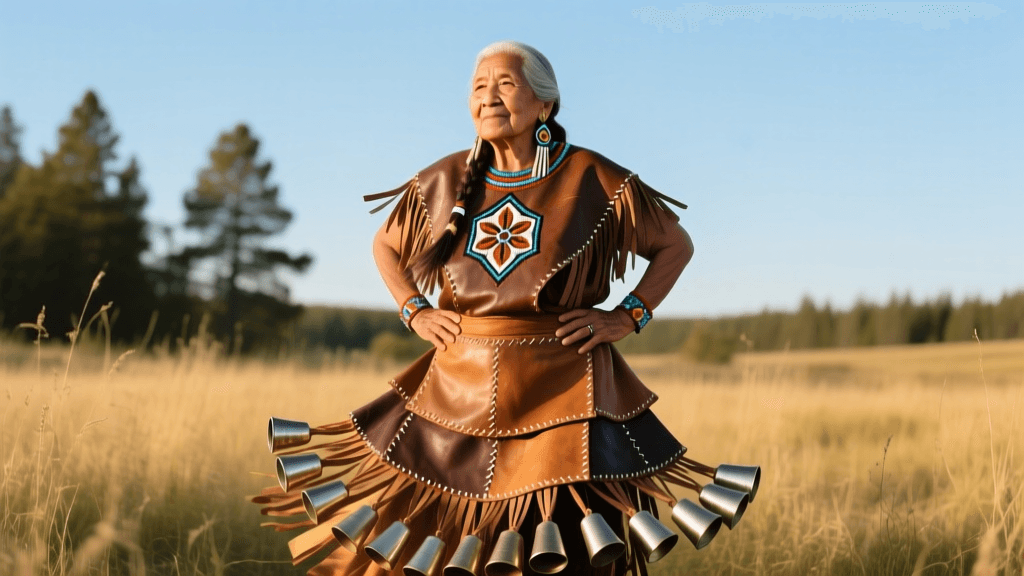
The Jingle Dress, often referred to as the healing dress, is one of the most revered and recognizable forms of Native American regalia seen at powwows across North America. Originating from the Ojibwe (Anishinaabe) people in the early 20th century, the dress was born from a vision given to a medicine man seeking a way to heal his gravely ill daughter. The vision instructed him to create a dress adorned with metal cones that would produce a specific, soothing sound when danced in a particular manner. According to the Minnesota Historical Society's archives on Ojibwe culture, the rhythmic sound of the cones is meant to mimic the sound of rain falling on a tin roof, bringing spiritual cleansing and physical healing to the community.
As we navigate the 2026 powwow season, the Jingle Dress has evolved from a strictly Ojibwe ceremonial garment into a pan-Indian symbol of resilience, prayer, and healing. Dancers in 2026 continue to honor the sacred origins of the dress, often dancing on behalf of those who are sick, incarcerated, or otherwise unable to attend the powwow circle. Understanding the deep spiritual roots of this regalia is the first and most crucial step before sourcing materials or cutting fabric.
Sourcing Authentic Materials for the 2026 Season
Creating a Jingle Dress requires careful selection of materials that not only look vibrant but also withstand the rigorous movement of the powwow arena. In 2026, Indigenous artisans and dancers have a mix of traditional trade goods and modern textiles at their disposal.
Fabric Selection
Historically, trade cloth and heavy cottons were used. Today, broadcloth, calico, and high-quality cotton blends remain the standard. For a standard adult Jingle Dress, you will need between 5 to 8 yards of primary fabric, plus an additional 3 to 4 yards of contrasting fabric for the appliqué ribbons and tier accents. As of early 2026, premium quilting cottons and broadcloths cost between $14 and $22 per yard at major textile retailers, while specialized Native trade cloth suppliers may charge up to $30 per yard for authentic selvedge-edged wools and cottons.
The Jingles (Cones)
The defining feature of the regalia is the 'jingle'—a rolled metal cone. While early 20th-century dancers repurposed snuff can lids, modern dancers use commercially rolled tin or copper cones. For a full adult dress, you will need anywhere from 250 to 400 cones. In 2026, high-grade rolled tin jingles (typically 2.5 inches in length) retail for approximately $0.45 to $0.65 per cone when purchased in bulk from Indigenous-owned craft cooperatives or specialized traders like Crazy Crow. Stamped aluminum cones are cheaper but lack the deep, resonant 'rain' sound required for traditional healing dances; always opt for rolled tin or copper.
Construction Techniques and Measurements
The construction of a Jingle Dress is an exercise in patience and precision. The cones must be spaced perfectly so that they strike one another during the dance, creating the signature sound without tangling. Cones are typically attached using grosgrain ribbon, leather lacing, or heavy-duty sinew, tied in small loops along horizontal tiers or zig-zag patterns on the skirt.
Below is a standard measurement and cost guide for constructing an adult-sized Jingle Dress in 2026:
| Component | Measurement / Count | 2026 Estimated Cost |
|---|---|---|
| Primary Broadcloth/Calico | 6 Yards | $120 - $150 |
| Contrast Fabric for Appliqué | 3 Yards | $60 - $80 |
| Rolled Tin Jingles (2.5 inch) | 300 Cones | $135 - $195 |
| Grosgrain Ribbon (1 inch width) | 25 Yards | $30 - $45 |
| Heavy-Duty Thread & Needles | Industrial Spool | $15 - $25 |
Note: Costs are estimates based on early 2026 market prices and do not include beadwork, which can add several hundred to several thousand dollars depending on the complexity and the artisan.
When tying the cones, leave exactly one to one-and-a-half inches of space between each cone on the ribbon. The tiers themselves should be spaced roughly 2.5 to 3 inches apart vertically. This ensures that when the dancer steps, the cones on the upper tier have enough room to swing and strike the cones on the lower tier.
Dance Protocol and Powwow Etiquette
Dancing the Jingle Dress is not merely a performance; it is a profound spiritual responsibility. According to resources detailed by Powwows.com regarding traditional dance styles, the footwork of the Jingle Dress dancer must remain low and close to the earth. The dancer's feet should rarely leave the ground entirely, gliding in a subtle zig-zag or serpentine pattern that mimics the movement of a healing spirit.
There are strict protocols that every Jingle Dress dancer must observe in 2026, just as they have for decades:
- Never Cross Paths: A Jingle Dress dancer must never cross the path of another dancer in the arena. Doing so is considered highly disrespectful and is believed to disrupt the healing prayers being offered.
- Stay Grounded: High kicks, spins, and athletic leaps are reserved for Fancy Shawl or Grass dancers. The Jingle Dress dancer maintains a grounded, humble posture, keeping the focus on the sound of the cones and the prayers of the community.
- Dancing for the Sick: It is common protocol for a Jingle Dress dancer to be requested to dance for a specific individual who is ill. When dancing for someone, the dancer may carry a specific color or item representing that person's prayer.
- Respecting the Dress: The dress is considered sacred medicine. It should never be worn to non-ceremonial parties, Halloween events, or used as a casual costume. As highlighted in NPR's extensive feature on the healing resilience of the Jingle Dress, the garment is a living entity that carries the weight of communal grief and hope.
Accessorizing the Regalia
A complete Jingle Dress outfit extends far beyond the dress itself. The accessories are heavily beaded and carry their own regional and familial significance.
Beadwork and Leatherwork
Dancers typically wear fully beaded moccasins with matching leggings that cover the calf. The belt is often a wide, loom-beaded piece featuring floral patterns (common in Great Lakes regions) or geometric designs (common in Plains and Prairie regions). A beaded crown or headband, often adorned with eagle or hawk feathers, completes the headwear. In 2026, commissioning a full set of matched floral beadwork from a master artisan can take anywhere from six to twelve months and cost upwards of $3,500.
Shawls and Fans
Unlike the elaborate fringed shawls of the Fancy Shawl dancers, the Jingle Dress dancer carries a more modest, often beaded or ribbon-worked shawl draped over one arm. An eagle or hawk fan is carried in the opposite hand, used to catch the rhythm of the drum and offer silent prayers to the Creator during the honor beats of the song.
Care and Maintenance for Longevity
Because the Jingle Dress is a significant financial and spiritual investment, proper maintenance is essential to ensure it lasts for generations.
Preventing Rust on Metal Cones
The rolled tin cones are highly susceptible to humidity and sweat. After every powwow weekend in 2026, lay the dress flat in a dry, climate-controlled room. Wipe down the bottom tiers of cones with a dry microfiber cloth. If rust begins to form, gently buff the cones with a specialized metal polish, being extremely careful not to stain the surrounding cotton or ribbon.
Fabric Storage
Never hang a heavily beaded Jingle Dress on a standard wire or wooden hanger; the weight of the 300+ metal cones and heavy beadwork will stretch and tear the shoulder seams over time. Instead, fold the dress carefully with acid-free tissue paper between the layers to prevent the beads from scratching the fabric, and store it in a breathable cotton garment bag or a cedar chest to deter moths and moisture.
Conclusion
Building and dancing in a Jingle Dress in 2026 is a profound commitment to Indigenous heritage, community healing, and spiritual discipline. From sourcing the perfect rolled tin cones to mastering the grounded, serpentine footwork, every element of the regalia serves a distinct purpose. By honoring the Ojibwe origins and adhering to strict powwow protocols, today's dancers ensure that the healing rain of the jingle cones will continue to wash over the powwow circle for generations to come.