Mormon Temple Garments 2026: Complete History & Style Guide
Understanding Mormon Temple Garments in 2026
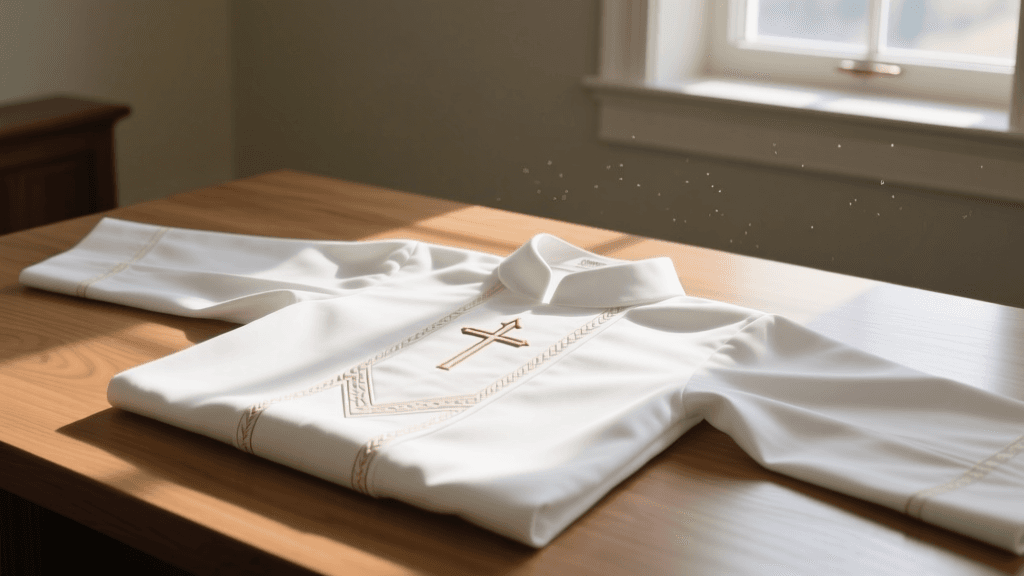
For members of The Church of Jesus Christ of Latter-day Saints, temple garments hold profound spiritual significance. Often referred to simply as 'garments' or 'Mormon undergarments' by those outside the faith, these sacred items are worn by endowed members as a daily, physical reminder of the covenants they make with God. As of 2026, the Church Distribution catalog offers a wide array of styles, fabrics, and fits designed to accommodate the diverse climates, lifestyles, and needs of a global membership. This comprehensive guide explores the rich history, deep symbolism, modern 2026 styles, and proper care instructions for LDS temple garments.
The Sacred Origins: A Historical Overview
The history of the temple garment traces back to May 1842 in Nauvoo, Illinois, when Joseph Smith introduced the endowment ordinance to a small group of early Church leaders. The original garments were one-piece linen or cotton union suits that extended to the wrists and ankles, reflecting the modest undergarment styles of the mid-19th century. These early designs were entirely handmade, often woven and sewn by the women of the community.
Following the migration to the Salt Lake Valley, Brigham Young and subsequent Church leaders oversaw the standardization of the garment. For decades, the one-piece design remained the standard. However, as global fashion and daily life evolved in the early 20th century, the practicality of a one-piece union suit diminished. In the 1920s and 1930s, Church leadership approved the transition to a two-piece design consisting of a separate top and bottom, a format that remains the standard today.
Throughout the late 20th and early 21st centuries, the focus shifted toward fabric innovation. While early garments were strictly cotton or linen, modern advancements have introduced synthetic blends, moisture-wicking materials, and highly breathable meshes. In 2026, the emphasis is on sustainable manufacturing and climate-adaptive textiles, ensuring that members living in tropical, arid, or freezing environments can comfortably honor their covenants without physical distraction.
Spiritual Meaning and Symbolism
It is a common misconception among those outside the faith that temple garments possess magical or protective properties. The Church explicitly clarifies that the garments are not magical talismans. Instead, they serve as a spiritual shield and a private, personal reminder of the wearer's commitments. According to the Gospel Topics Essay on Temple Garments, the clothing represents a commitment to live righteously and serves as a protection against temptation and evil.
The garments feature specific woven or embroidered marks, each carrying deep symbolic meaning tied to the endowment ordinance:
- The Compass: Represents the truth, the Spirit of God, and the direction one should take in life.
- The Square: Symbolizes honor, integrity, and the exactness required in keeping the commandments.
- The Navel Mark: Signifies the need for continuous spiritual nourishment and the connection to God.
- The Knee Mark: Represents reverence, humility, and the willingness to bow before the Almighty.
2026 Temple Garment Styles and Fabrics
The Church Distribution system has vastly expanded its offerings to meet the needs of a global membership. In 2026, members can choose from a variety of necklines, sleeve lengths, and high-performance fabrics. The goal is to provide modest, comfortable options that remain hidden beneath contemporary secular clothing.
Women's Styles
Women's tops in 2026 are available in round neck, V-neck, and scoop neck designs, with sleeve lengths ranging from cap sleeves to short sleeves. Bottoms include standard briefs, boy shorts, and longer capri-style leggings for wear under skirts or dresses. Maternity garments are also available through special order to accommodate expectant mothers.
Men's Styles
Men's tops feature crew neck and V-neck options, with standard short sleeves or athletic sleeveless cuts for gym use. Bottoms include traditional boxer-brief cuts, athletic compression shorts, and longer leg options designed to prevent chafing during physical labor or sports.
Fabric Comparison Chart (2026 Catalog)
| Fabric Type | Material Composition | Best Use Case | Climate Suitability |
|---|---|---|---|
| Stretch Cotton | 95% Cotton, 5% Spandex | Everyday wear, office, casual | Temperate, Mild |
| Modal Blend | Modal / Cotton Blend | Sensitive skin, luxury feel | Temperate, Indoor |
| Performance Mesh | Synthetic Microfiber | Hot weather, heavy sweating | Tropical, Arid |
| Athletic Compression | Moisture-Wicking Polyester | Sports, gym, manual labor | Active, All Climates |
| Thermal Fleece | Cotton / Poly Fleece Blend | Winter wear, outdoor work | Cold, Freezing |
Purchasing Guidelines and Eligibility
Temple garments are not sold in standard retail stores, nor are they available to the general public. According to the official Temple Clothing and Garments guidelines, purchasing is strictly limited to members who have received their endowment and hold a current, valid temple recommend.
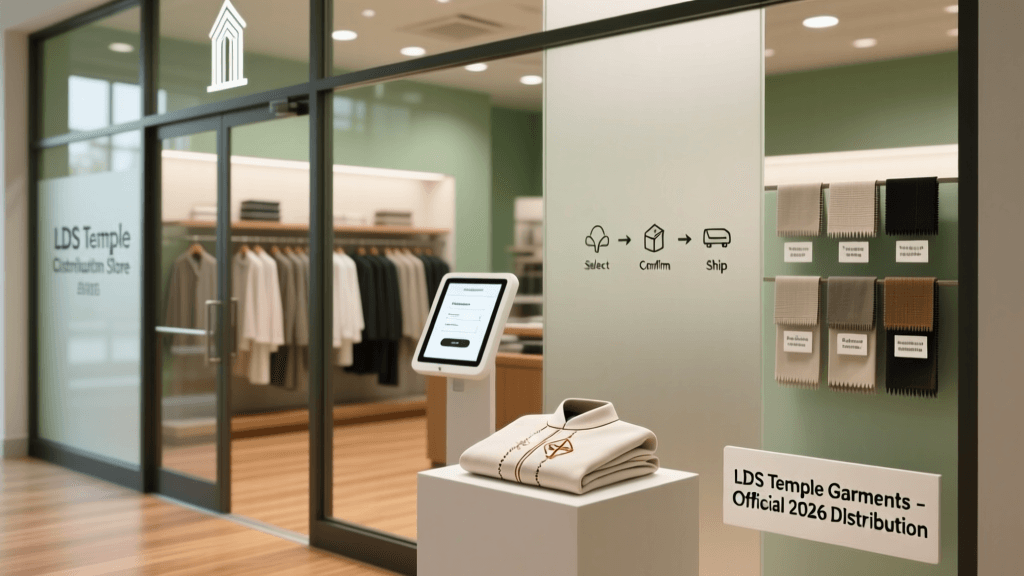
In 2026, the primary method for purchasing garments is through the Church Distribution mobile app or the online distribution portal. Members log in using their Church Account, which automatically verifies their temple recommend status. Physical Distribution Centers located near temples and in major metropolitan areas also carry inventory for in-person purchasing.
Pricing in 2026: The Church subsidizes the cost of garments to keep them affordable globally. As of early 2026, individual garment pieces (tops or bottoms) typically range from $9.00 to $12.50 USD, depending on the fabric technology and style selected. Bundles and multi-packs are frequently offered at a slight discount.
Care, Alterations, and Respectful Disposal
Because of their sacred nature, garments must be treated with the utmost respect. This extends to how they are washed, stored, altered, and eventually disposed of.
Washing and Storage
Garments should be washed with regular laundry using standard detergents. There is no requirement to wash them separately from other clothing, though many members choose to do so out of personal preference. They should be kept clean, mended, and stored in a respectful manner, ideally in a dedicated drawer separate from outerwear.
Rules on Alterations
Members are permitted to alter garments for fit, provided the sacred marks are not removed, distorted, or compromised. Hemming the bottom of the top or the legs of the bottom is acceptable. However, cutting the sleeves off entirely, raising the neckline above the marks, or shortening the legs above the knee mark is strictly prohibited. If a garment becomes too worn or stretched to provide modest coverage, it should be replaced.
Respectful Disposal
When a garment is worn out, stained beyond cleaning, or damaged, it must be disposed of properly. The General Handbook Section 38 outlines the current protocol for disposal. Members are instructed to carefully cut out the sacred marks from the fabric and destroy them (usually by cutting them into small, unrecognizable pieces). The remaining fabric, now devoid of the marks, can be respectfully discarded in the regular household trash. Previous historical practices of burning or burying the garments are no longer required or recommended by Church leadership in 2026, as modern synthetic fabrics do not burn cleanly and burying can disrupt local ecosystems.
Frequently Asked Questions
Do members wear garments while swimming or at the beach?
No. Garments are designed for daily wear under regular clothing. Members are instructed to remove them when engaging in water sports, swimming, or bathing. They are not intended to function as swimwear.
Can garments be worn during intense athletic activities?
Yes. With the introduction of the Athletic Compression and Performance Mesh lines, members are highly encouraged to wear garments during workouts, sports, and physical labor. The moisture-wicking properties of the 2026 performance fabrics make them ideal for high-sweat environments.
What happens if a member's body changes significantly?
The Distribution catalog offers a wide range of sizes, including plus sizes, tall sizes, and maternity cuts. If a member experiences significant weight loss, weight gain, or medical changes that require surgery, they are encouraged to purchase new garments that fit their current body properly, ensuring the marks align correctly with the body.
Conclusion
Mormon temple garments represent a deeply personal and sacred aspect of life for endowed members of The Church of Jesus Christ of Latter-day Saints. From their humble origins as handmade union suits in 1842 Nauvoo to the highly engineered, climate-adaptive fabrics available in the 2026 Distribution catalog, the garments have evolved in form while remaining entirely unchanged in spiritual purpose. By understanding the history, respecting the symbolism, and utilizing the modern care guidelines, members can comfortably carry their covenants with them every day of their lives.