2026 Guide to LDS Temple Garment Styles & Materials
The Evolution of LDS Temple Garments in 2026
For members of The Church of Jesus Christ of Latter-day Saints, temple garments hold profound spiritual significance. They serve as a personal, private reminder of covenants made in the temple, offering a constant physical connection to faith and devotion. As we navigate through 2026, the design, materials, and manufacturing techniques of these sacred items have evolved significantly from their 19th-century origins, balancing the need for modesty, durability, and modern comfort across diverse global climates.
Historically, early temple garments were one-piece union suits made from heavy, unbleached cotton or linen, extending to the wrists and ankles. Over the decades, the Church has adapted the garment to meet the practical needs of its global membership. The transition to the modern two-piece style in the mid-20th century marked a turning point in functionality. Today, in 2026, the Church’s Distribution Services offers a highly specialized array of fabrics and styles, leveraging advanced textile engineering to ensure members can wear their garments comfortably in any environment, from the humid tropics of Southeast Asia to the freezing winters of Northern Europe.
According to the Gospel Topics essay on Temple Garments, the garment is a sacred symbol of spiritual commitment. While the sacred marks and the fundamental purpose remain entirely unchanged, the physical medium has embraced 21st-century textile innovations to better serve the modern wearer.
2026 Fabric Options and Climate Considerations
The most significant updates in recent years, culminating in the current 2026 lineup, revolve around fabric technology. The Church recognizes that a one-size-fits-all approach to fabric does not work for a global membership. Whether a member is working in a corporate office, engaging in manual labor, or living in a high-humidity region, there is now a specific material engineered for their needs.
The current catalog features advanced moisture-wicking yarns, antimicrobial treatments, and specialized stretch weaves. Flatlock seams have become standard across premium lines to eliminate chafing, and tagless labels are now universally applied to prevent skin irritation. Below is a comprehensive breakdown of the primary fabric options available through official distribution channels in 2026.
| Fabric Type | Material Composition | Best Climate/Use Case | 2026 Price Range (Per Piece) |
|---|---|---|---|
| Classic Cotton | 100% Combed Cotton | Moderate climates, everyday wear, sensitive skin | $8.50 - $9.50 |
| Stretch Cotton | 95% Cotton, 5% Spandex | Active lifestyles, form-fitting clothing, travel | $10.00 - $11.50 |
| Performance Mesh | Polyester/Spandex Blend | High humidity, tropical climates, intense athletics | $12.00 - $13.50 |
| Modest Lace (Women's) | Nylon/Spandex Stretch Lace | Formal wear, low-cut necklines, evening attire | $13.00 - $14.50 |
| Thermal Blend | Cotton/Polyester Fleece-lined | Cold weather, outdoor winter activities | $14.00 - $15.50 |
Deep Dive: Performance Mesh and Stretch Lace
The Performance Mesh line has seen massive adoption by 2026, particularly among missionaries serving in tropical regions and members who participate in endurance sports. The micro-mesh construction allows for maximum airflow while maintaining the required opacity and modesty. The fabric dries up to 60% faster than traditional cotton, preventing the discomfort and skin issues associated with trapped moisture.
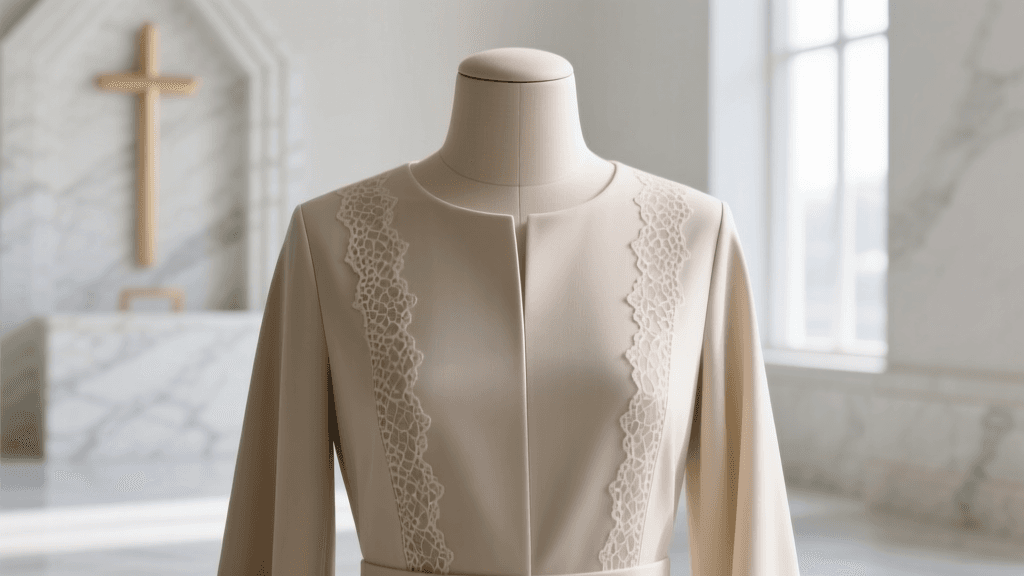
For women, the introduction and refinement of Modest Stretch Lace have been a game-changer for formal and professional wear. The lace panels are strategically placed at the neckline and sleeves, providing the necessary coverage for V-neck or wide-collar blouses without sacrificing breathability or aesthetic appeal. The 2026 iterations feature reinforced stitching at the lace-to-fabric junctions, addressing previous concerns about long-term durability.
Modern Style Variations and Fit Updates
Beyond fabric, the cut and silhouette of temple garments have been diversified to accommodate modern fashion trends and personal comfort preferences. The official Church Distribution store categorizes these styles to help members find the perfect fit for their wardrobe.
Top Styles
- Crew Neck: The traditional, classic cut that sits at the base of the neck. Ideal for standard t-shirts and casual wear.
- V-Neck: Designed to remain hidden under unbuttoned dress shirts or lower-cut blouses.
- Rounded/Scoop Neck: A wider cut specifically tailored for women’s scoop-neck tops and dresses.
- Cap Sleeve & Camisole: Women’s options that provide coverage while accommodating sleeveless or wide-armhole outerwear.
Bottom Styles
- Classic Brief: The standard cut that sits at the natural waist and extends to the upper thigh.
- Boxer Brief: Offers extended leg coverage, preventing chafing and remaining hidden under athletic shorts or lightweight trousers.
- Knee-Length: Designed for members who require extended coverage for specific professional or athletic attire.
- Low-Rise: Tailored to sit below the natural waistline, ensuring the garment remains concealed when wearing modern, lower-rise jeans or skirts.
Sizing, Accessibility, and Global Distribution
In 2026, the Church has vastly improved its sizing inclusivity. The distribution network now offers an expansive matrix of sizes, including petite, tall, and plus-size options, ensuring that every member can find a garment that fits correctly without rolling, bunching, or restricting movement. Proper fit is essential not only for comfort but also to ensure the sacred marks remain correctly positioned on the body.
For members living in areas without a physical Distribution Center, the online ordering system has been optimized for global shipping. Regional manufacturing hubs in South America, Asia, and Europe have reduced shipping times and lowered the carbon footprint associated with global distribution. Members can log into their Church accounts, input their specific measurements, and receive personalized recommendations based on their local climate and wardrobe needs.
Care Instructions for Modern Blends
With the introduction of synthetic blends and stretch fibers, care routines must be adjusted to preserve the integrity of the garments. While classic 100% cotton garments can withstand high-heat washing and drying, the 2026 Performance Mesh and Stretch Lace lines require gentler treatment.
Experts recommend washing synthetic blends in cold or warm water using mild detergents free from harsh bleaching agents. Fabric softeners should be strictly avoided, as they coat the moisture-wicking fibers and diminish their breathability. When drying, tumble drying on low heat or air-drying is highly recommended to prevent the spandex and elastane components from degrading, which can lead to sagging and a loss of shape over time. Members are also reminded to treat the garments with respect during disposal, following the official guidelines for carefully removing the marks before discarding worn-out fabric.
Conclusion
The 2026 lineup of LDS temple garments represents a harmonious blend of sacred tradition and modern textile science. By offering a diverse range of materials, from breathable performance meshes to elegant stretch laces, the Church ensures that members do not have to compromise between their spiritual commitments and their daily physical comfort. As fabric technology continues to advance, members can look forward to even more innovative solutions that honor the sanctity of the temple covenants while meeting the practical demands of modern life.