LDS Garment Styles & Materials in 2026: Complete Guide
Introduction to Modern LDS Temple Garments
For members of The Church of Jesus Christ of Latter-day Saints, the temple garment is far more than a simple undergarment; it is a profound, sacred symbol of covenants made with God. As we navigate the textile landscape of 2026, the evolution of these garments represents a fascinating intersection of deep religious reverence and cutting-edge apparel engineering. Over the past decade, and particularly with the manufacturing updates solidified for the 2026 distribution catalog, the Church has prioritized comfort, durability, and adaptability without compromising the sacred markings and modesty standards required by doctrine.
The Theological Foundation and Modesty Standards
Before examining the warp, weft, and fiber blends of modern garments, it is essential to understand their purpose. According to the General Handbook of The Church of Jesus Christ of Latter-day Saints, the garment serves as a reminder of covenants made in the temple and provides protection against temptation. The design elements—specifically the markings representing the fig leaves of Adam and Eve, and the compass and square—are non-negotiable and remain constant across all styles. What has changed dramatically by 2026 is the canvas upon which these symbols are placed. The Church has continually refined the base patterns to accommodate diverse global climates, body types, and modern outerwear fashions, ensuring that members can wear their garments comfortably as a first layer of clothing in any environment.
The Evolution of Garment Materials in 2026
Historically, temple garments were constructed from 100% woven cotton, which, while natural and breathable, lacked the mechanical stretch required for active modern lifestyles. Today, the material science behind these garments is highly sophisticated, utilizing advanced knitting techniques to provide four-way stretch and superior moisture management.
Cotton and Cotton-Spandex Blends
The traditional cotton garment has been significantly upgraded. The 2026 standard for cotton garments utilizes a 95% combed cotton and 5% elastane (spandex) knit. This blend offers the hygroscopic, moisture-absorbing properties of natural cotton while providing a mechanical stretch that prevents the fabric from bagging at the knees or elbows. The tensile strength of the combed cotton ensures that the sacred markings remain undistorted even after hundreds of wash cycles, while the elastane core guarantees a consistent, comfortable fit throughout the day.
Modal and Beechwood Blends
Modal, a semi-synthetic fabric derived from the pulp of sustainably harvested beech trees, has become a staple for members seeking a silkier drape and enhanced cooling. Modal fibers are highly resistant to shrinking, fading, and pilling. In 2026, the Church's distribution centers offer modal-blend garments that are exceptionally lightweight, making them the premier choice for members living in tropical or high-humidity regions. The micro-porous structure of modal allows for superior air circulation compared to traditional cotton, and its production process in 2026 is largely closed-loop, appealing to environmentally conscious consumers.
Performance Mesh and Microfiber
For athletes, military personnel, and those engaged in rigorous manual labor, performance mesh and microfiber polyester blends are available. These synthetic options utilize capillary action to wick sweat away from the skin to the outer surface of the fabric, where it evaporates rapidly. The 2026 athletic line features laser-cut hems and flatlock stitching to eliminate chafing during high-friction movements like running, weightlifting, or fieldwork.
2026 Style Variations and Fit Updates
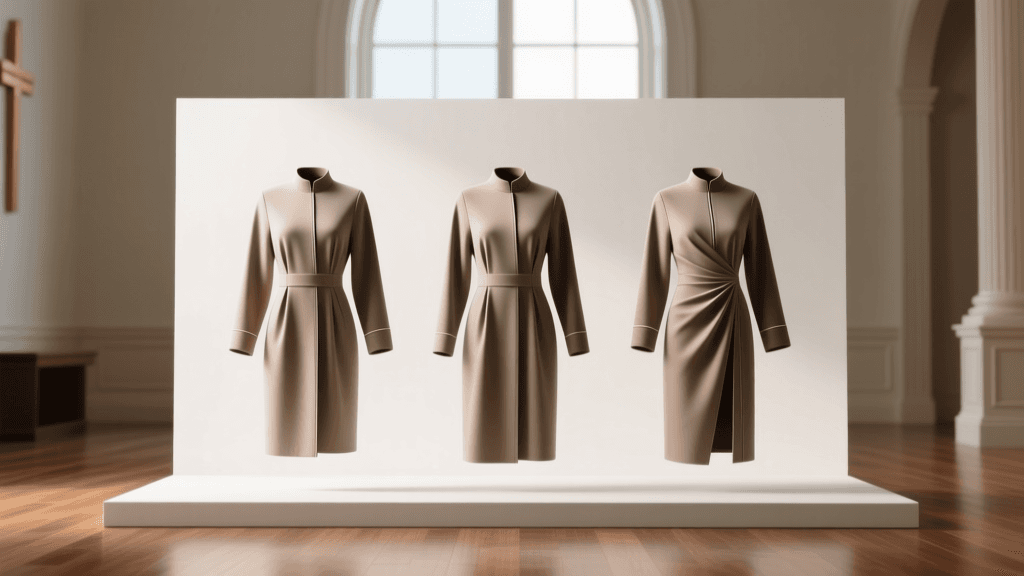
The modernization of LDS garments is most visible in the diversification of styles. Recognizing that a one-size-fits-all approach does not serve a global membership, the Official Church Distribution Store now offers a highly segmented catalog tailored to specific lifestyle needs.
Neckline and Sleeve Options
For women, the 2026 catalog includes scoop-neck, V-neck, and cap-sleeve options designed to remain hidden beneath modern blouses, activewear, and professional attire. The introduction of stretch-lace trim on certain women's tops provides a secure fit without the restrictive tightness of older elastic bindings. For men, deep V-necks and crew necks are available in both standard and athletic sleeveless cuts, accommodating everything from business suits to basketball jerseys without the fabric peeking through the collar or armholes.
Bottoms, Mobility, and Maternity
The bottom styles have seen equally significant ergonomic updates. Standard knee-length bottoms now feature reinforced gussets in the crotch area to prevent tearing during deep bends or squats. For women, the maternity line has been further refined for 2026, featuring a wide, ultra-soft abdominal stretch panel that accommodates a growing pregnancy while keeping the sacred markings properly positioned and respected. Additionally, specialized heat-reduction panels have been integrated into the lower back region of several styles to improve ventilation.
Comprehensive Fabric Comparison Chart
| Fabric Type | Primary Composition | Best Climate / Use Case | Durability & Care |
|---|---|---|---|
| Combed Cotton Blend | 95% Cotton, 5% Elastane | Temperate climates, daily office wear, sensitive skin | High durability; machine wash cold, tumble dry low |
| Modal Blend | Modal / Spandex Knit | High humidity, tropical regions, lightweight outerwear | Resists pilling; avoid high heat to maintain silky drape |
| Performance Mesh | Polyester / Nylon Mesh | Athletics, manual labor, extreme heat | Quick-drying; do not use fabric softeners (clogs pores) |
| Microfiber Cooling | Micro-Polyester Knit | Travel, military deployment, layering under suits | Highly durable; colorfast, wrinkle-resistant |
Americas & Indigenous Context: Garments in Diverse Climates
Within the Americas and Indigenous category, the evolution of these garments holds unique significance. For Indigenous Latter-day Saints across the Americas—from the Navajo Nation in the American Southwest to the Quechua and Maya communities in Latin America—the introduction of hyper-breathable mesh and moisture-wicking microfibers has been revolutionary. These modern textile updates allow members to honor their sacred covenants while navigating the extreme heat, high altitudes, and humidity of their ancestral lands without the discomfort and heat exhaustion associated with mid-century woven cotton. The 2026 fabric options ensure that traditional cultural dress and modern religious obligations can coexist comfortably.
Sourcing, Purchasing, and Global Distribution
Accessing these garments in 2026 is more streamlined than ever. Endowed members can purchase garments through physical Distribution Centers located near temples worldwide or via the secure online portal. The online platform utilizes encrypted verification to ensure that only endowed members with current temple recommends can access the purchasing interface. Furthermore, the Church has expanded its color options. While stark white remains the standard, the 'sand' and 'heather gray' options—introduced to help garments remain invisible beneath sheer or light-colored outerwear—have been optimized for colorfastness, ensuring they do not bleed or fade when laundered with standard detergents. For detailed guidance on the spiritual significance of wearing the garment daily, members are encouraged to review the official resource on wearing the temple garment.
Care and Maintenance of Modern Blends
The longevity of the 2026 garment lines depends heavily on proper laundering. Because many modern garments incorporate elastane, modal, and specialized mesh, high heat and harsh chemicals are the enemies of the fabric's structural integrity.
- Washing: Always use cold or warm water (never hot). Hot water degrades elastane fibers over time, leading to a loss of stretch and shape.
- Detergents: Use mild, enzymatic detergents that break down body oils without requiring high temperatures. Avoid chlorine bleach, especially on modal and colored garments, as it will yellow the fibers and weaken the knit.
- Drying: Tumble dry on low heat or air dry. High heat in the dryer will bake the synthetic fibers, causing them to become brittle and prone to tearing at the seams.
- Mesh Specifics: Never use liquid fabric softeners on performance mesh or microfiber. Softeners coat the fibers and destroy the fabric's moisture-wicking capillary action.
Conclusion
The landscape of LDS temple garments in 2026 is a testament to the Church's commitment to caring for the physical comfort of its members while upholding the sacredness of temple covenants. By integrating advanced textile engineering, sustainable modal blends, and ergonomic designs tailored for diverse global populations, the modern garment serves its divine purpose without hindering the daily lives of those who wear it. Whether navigating the boardroom, the basketball court, or the diverse climates of the Americas, members can rely on these modern updates to provide both spiritual protection and unparalleled physical comfort.