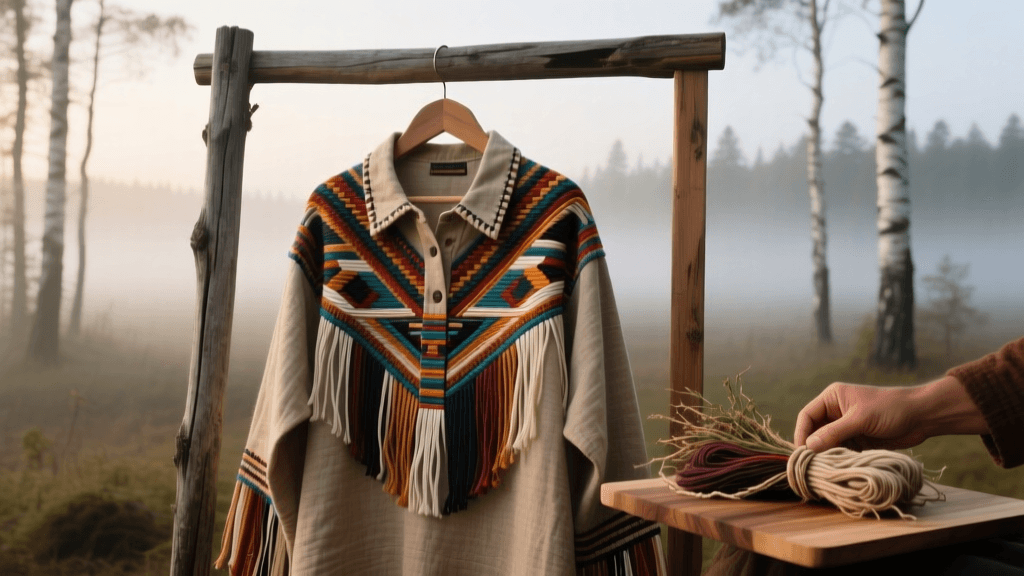
Pacific Northwest Chilkat Weaving & Button Blankets in 2026
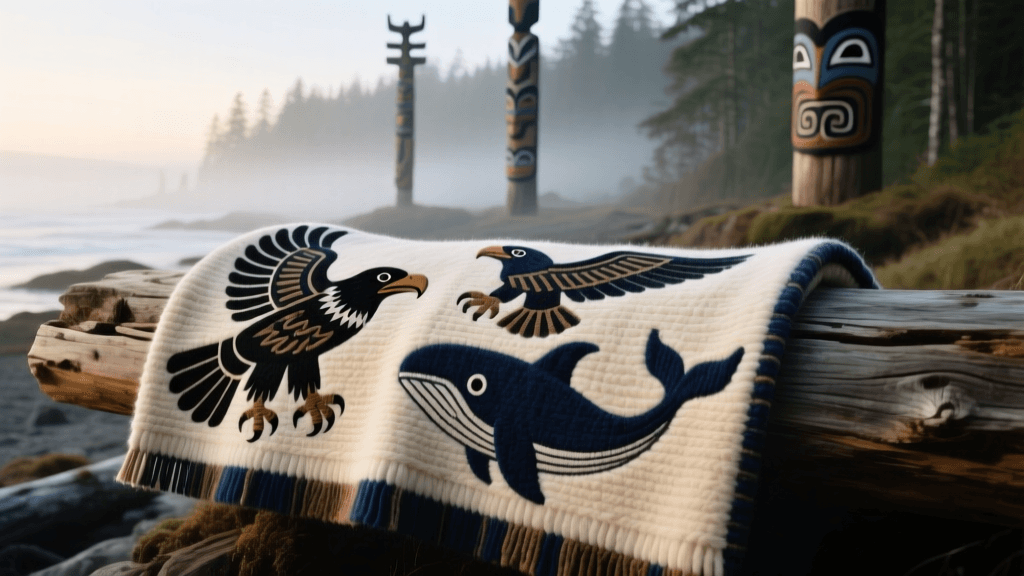
The Living Textiles of the Pacific Northwest Coast
The Pacific Northwest Coast is home to some of the most visually striking, culturally profound, and technically complex textile traditions in the Americas. For the Haida, Tlingit, Tsimshian, and Kwakwaka'wakw peoples, garments are not merely functional clothing; they are living entities, sacred clan property, and vital conduits of ancestral history. As of 2026, the revitalization of Indigenous North American dress traditions has reached a remarkable zenith, driven by a new generation of master weavers, robust repatriation efforts, and a fierce reclamation of Indigenous intellectual property.
At the heart of this sartorial heritage are two iconic garments: the meticulously woven Chilkat blanket (known as Naaxiin in Tlingit) and the brilliantly reflective button blanket. Understanding these garments requires an exploration of their materials, their intricate formline designs, and the strict cultural protocols that govern their creation and use today.
The Sacred Art of Chilkat Weaving (Naaxiin)
The Chilkat blanket is widely considered the pinnacle of Indigenous North American weaving. Originating with the Tsimshian and later perfected by the Tlingit Chilkat people, the Naaxiin is a masterpiece of patience, mathematics, and spiritual devotion. Unlike European tapestry weaving, which utilizes a loom to hold warp threads under tension, Chilkat weaving is a form of twining. The warp threads are suspended from a simple crossbar, and the weaver works from the top down, rolling the completed sections upward as the blanket grows.
The creation of a single Chilkat blanket is a monumental undertaking that can take over 1,500 hours, often spanning a year or more of dedicated labor. The process begins long before the first thread is spun. The design is traditionally painted on a pattern board by a male formline artist, detailing the specific clan crests—such as the Raven, Eagle, Whale, or Bear—that the blanket will display. The female weaver then translates this two-dimensional design into a three-dimensional textile, a collaboration that remains a cornerstone of Pacific Northwest Coast art in 2026.
Sourcing and Preparing Traditional Materials
Authentic Chilkat weaving relies on two primary materials: mountain goat wool and the inner bark of the yellow cedar tree. Harvesting these materials is deeply tied to tribal sovereignty and environmental stewardship.
- Yellow Cedar Bark: Harvested in the late spring or early summer when the sap is running, weavers carefully strip only the outer bark to reveal the supple inner core. This inner bark is boiled, shredded, and beaten to create a soft, durable fiber that serves as the core of the warp threads.
- Mountain Goat Wool: Traditionally, wool was gathered from bushes where goats shed their winter coats, or through sustainable, treaty-protected hunting. The wool is meticulously cleaned, carded, and spun by hand using a traditional spindle whorl. In 2026, ethical sourcing and collaboration with tribal wildlife management programs ensure that mountain goat populations remain protected while supporting traditional arts.
The Evolution and Craft of the Button Blanket
While the Chilkat blanket represents pre-contact and early-contact mastery, the button blanket is a brilliant example of Indigenous adaptation and innovation. Emerging in the 19th century following the establishment of maritime trade routes, Native artists began incorporating imported materials—specifically Hudson's Bay Company wool blankets and mother-of-pearl or abalone buttons—into their ceremonial regalia.
Today, the button blanket is a staple of the potlatch and ceremonial dance. Modern construction in 2026 typically utilizes high-quality, heavy-weight Melton wool in deep colors like navy, black, or red. The central motif, representing the wearer's clan crest, is cut from contrasting wool fabric and appliquéd onto the base blanket using precise formline design principles.
The true magic of the button blanket lies in its embellishment. Hundreds, sometimes thousands, of abalone shell buttons are sewn along the edges of the formline shapes and the border of the blanket. When worn during a potlatch dance, the dynamic movement of the dancer causes the buttons to catch the firelight or modern stage lighting, creating a shimmering, kinetic effect that brings the clan crest to life. Contemporary artists have even begun integrating subtle, battery-operated LED threading into the hems for evening performances, blending ancestral aesthetics with 2026 technology.
Formline Design Principles in Textiles
Both Chilkat and button blankets are governed by the Northern formline art system. This highly structured visual language uses continuous, flowing lines to define the anatomy of animals and spiritual beings. Key elements include:
- Ovoids: Rounded, rectangular shapes often used for eyes, joints, or the ears of animals.
- U-forms and Split U-forms: Curved, tapered shapes that represent feathers, fins, or muscular structures.
- Primary and Secondary Lines: The bold black lines that define the main structure, supported by red secondary lines that add depth and detail.
Translating these rigid, carving-based design rules into the fluid medium of wool and cedar bark requires immense spatial awareness. The weaver must ensure that the ovoids remain perfectly symmetrical and that the negative space is as intentional as the positive imagery.
Comparative Analysis: Chilkat vs. Button Blankets
For collectors, cultural institutions, and community members looking to commission or study these garments in 2026, understanding the distinctions between the two primary blanket types is essential.
| Feature | Chilkat Blanket (Naaxiin) | Button Blanket |
|---|---|---|
| Base Material | Mountain goat wool & yellow cedar bark | Heavy Melton wool (trade cloth) |
| Decorative Elements | Dyed wool (traditionally using hemlock, copper, and lichen) | Abalone shell buttons, felt appliqué |
| Construction Technique | Twining (no loom, suspended warp) | Cutting, appliqué, and button-sewing |
| Time to Create | 1,000 to 1,500+ hours (12-18 months) | 100 to 300 hours (2-6 months) |
| 2026 Commission Cost | $25,000 - $45,000+ (Master Weaver) | $2,500 - $8,000 (depending on button count) |
| Primary Use | Sacred clan property, high-status potlatch dances | Widespread ceremonial use, dance regalia, gifting |
Tribal Protocols, Intellectual Property, and Repatriation
One of the most critical aspects of Pacific Northwest Coast textiles is the concept of at.óow—sacred clan property. A Chilkat blanket or a specific button blanket design is not merely a piece of art; it is the legal and spiritual property of a specific clan or house group. The crests depicted on these blankets are tied to origin stories, land rights, and ancestral lineage.
In 2026, the fight to protect Indigenous intellectual property is more prominent than ever. Cultural appropriation by fast-fashion brands and unauthorized reproduction of formline designs remain significant issues. Organizations like the Sealaska Heritage Institute have been instrumental in educating the public and advocating for the legal protection of traditional designs, ensuring that only those with the hereditary right or explicit permission may wear or reproduce specific clan crests.
Furthermore, the repatriation of historical garments continues to reshape the cultural landscape. Many 18th- and 19th-century Chilkat blankets were removed from communities during periods of colonial suppression of the potlatch. Today, institutions such as the Smithsonian National Museum of the American Indian and the Burke Museum of Natural History and Culture are actively collaborating with tribal nations to repatriate sacred textiles or establish co-stewardship agreements, allowing these ancestral garments to return home and be used in the ceremonies for which they were originally created.
Preserving the Thread for Future Generations
The survival of Pacific Northwest Coast weaving and button blanket traditions is a testament to the resilience of Indigenous communities. Despite centuries of assimilation policies and the banning of the potlatch, the knowledge of how to spin goat wool, harvest cedar bark, and sew abalone buttons was kept alive by determined elders.
Today, master weavers are teaching apprentices through tribal arts programs, university partnerships, and community workshops. The garments created in 2026 are not historical replicas; they are contemporary expressions of an unbroken lineage. When a dancer wraps themselves in a newly woven Naaxiin or a brilliantly beaded button blanket, they are not just wearing a garment—they are embodying their ancestors, asserting their sovereignty, and weaving the future of their people into the very fabric of the Americas.