Indigenous Ribbon Work 2026: Tribal Styles & Sourcing Guide
The Living Art of Indigenous Ribbon Work
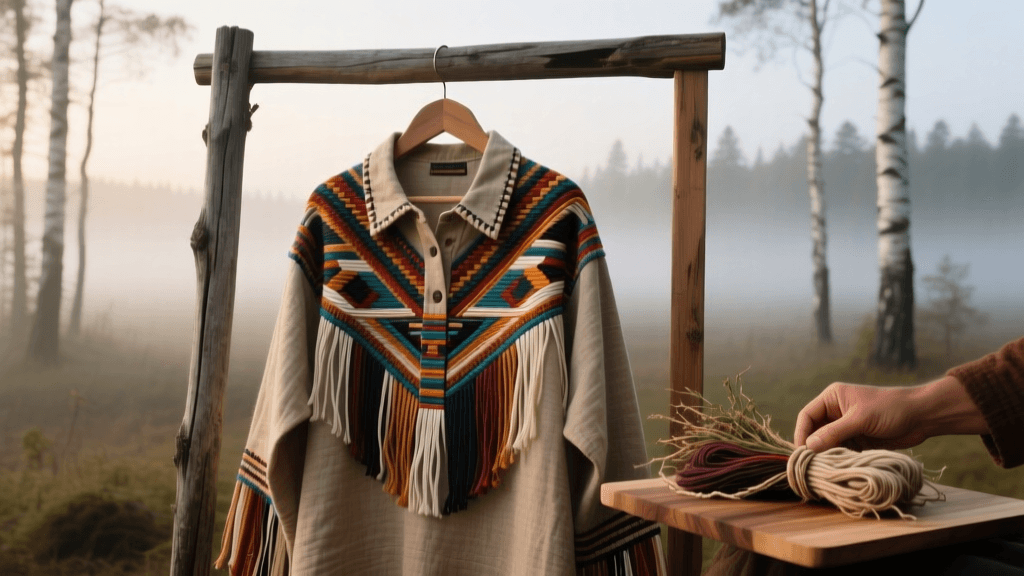
Indigenous North American dress traditions are not static relics of the past; they are dynamic, living expressions of cultural resilience and identity. Among the most vibrant and widely recognized of these traditions is ribbon work—a complex textile art form that involves layering, cutting, and sewing silk or satin ribbons onto broadcloth to create intricate patterns. As we navigate 2026, the ribbon shirt and ribbon skirt have transcended their historical roots to become powerful symbols of Indigenous pride, worn at powwows, political rallies, graduation ceremonies, and in everyday life.
According to the Smithsonian National Museum of the American Indian, ribbon appliqué originated in the Great Lakes region in the 18th century when Native artisans acquired silk ribbons from European traders. Instead of using the ribbons merely as edge bindings, Indigenous women pioneered the reverse-appliqué technique, cutting away layers of ribbon to reveal contrasting colors beneath. Today, this technique has evolved into a pan-Indigenous movement, with distinct regional styles reflecting the unique histories and aesthetics of different tribes.
Regional Variations: Great Lakes vs. Plains Traditions
While ribbon work is practiced by many Indigenous communities across North America, the stylistic approaches vary significantly by region. Understanding these distinctions is crucial for collectors, cultural enthusiasts, and those looking to commission authentic garments in 2026.
Great Lakes Floral Appliqué
The Anishinaabe, Odawa, Potawatomi, and Ho-Chunk nations are renowned for their highly detailed, curvilinear floral patterns. Great Lakes ribbon work often mimics the natural environment, featuring symmetrical and asymmetrical floral motifs, vines, and leaves. In 2026, many Great Lakes artisans are returning to historically accurate 100% silk taffeta ribbons, moving away from the synthetic blends that dominated the late 20th century. The cut-work is exceptionally fine, often requiring hundreds of tiny, nearly invisible slip stitches to secure the folded edges of the ribbon to the wool or cotton broadcloth base.
Plains Geometric and Bold Designs
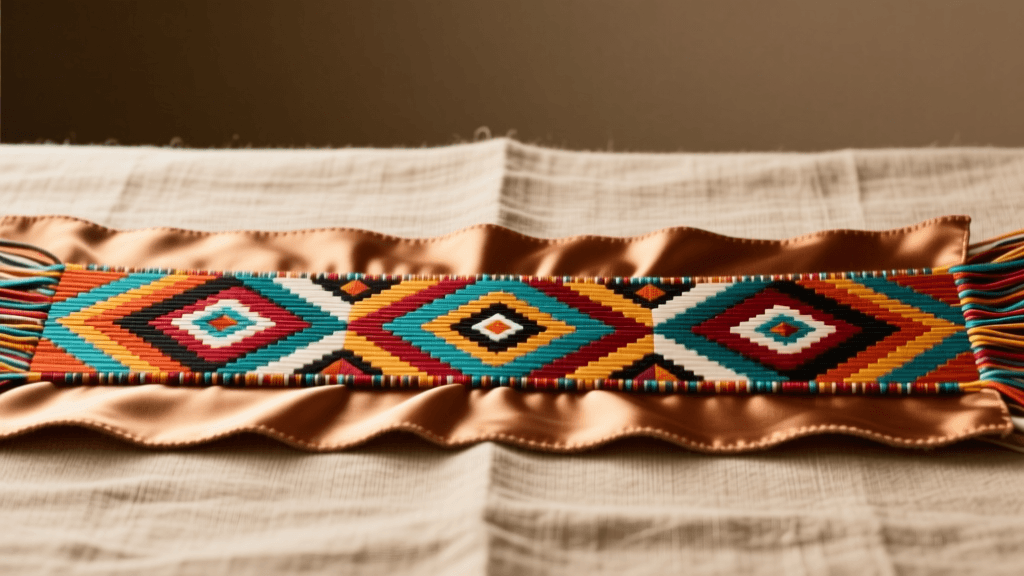
As ribbon work spread westward to the Plains and Prairie tribes—including the Osage, Ponca, Lakota, and Cheyenne—the aesthetic shifted. Plains ribbon shirts and skirts are characterized by bold, geometric patterns, horizontal bands, and striking color blocking. The Osage and Ponca are particularly famous for their elaborate ribbon shirts, which feature wide, cascading ribbons across the chest, shoulders, and back. In recent years, the Plains-style ribbon shirt has become a staple of modern Indigenous menswear and Two-Spirit regalia, often incorporating beadwork medallions and 3D-printed accents that blend ancestral techniques with 2026 textile technology.
Materials Guide: Selecting Ribbons for Regalia in 2026
The foundation of any high-quality ribbon shirt or skirt is the material. The shift toward sustainable and historically accurate textiles has reshaped the market this year. When sourcing materials or commissioning a piece, it is essential to understand the properties of different ribbons.
| Ribbon Type | Material Composition | Best Use Case | 2026 Avg. Cost (Per Yard) |
|---|---|---|---|
| Double-Faced Satin | Polyester/Silk Blend | Intricate cut-work, everyday regalia | $4.50 - $8.00 |
| Grosgrain | Cotton/Poly Blend | Structural borders, heavy skirts | $3.00 - $5.50 |
| Taffeta | 100% Silk | Historical replication, museum-grade pieces | $9.00 - $14.00 |
| Organza | Synthetic Sheer | Overlay accents, modern avant-garde designs | $2.50 - $4.00 |
For traditionalists, 100% silk taffeta remains the gold standard. It holds a crisp fold, which is essential for the tight mitered corners required in complex geometric patterns. However, for dancers who need durable, washable garments for the rigorous powwow circuit, high-quality double-faced satin polyester blends are the most practical choice in 2026.
Commissioning and Sourcing Authentic Garments
The demand for authentic, Native-made ribbon work has surged, leading to longer lead times for custom commissions. If you are looking to purchase a ribbon shirt or skirt in 2026, it is vital to support Indigenous artisans directly rather than purchasing mass-produced, culturally appropriated imitations from fast-fashion retailers.
When commissioning a custom piece, expect the following timeline and pricing structures:
- Basic Ribbon Skirt (3-4 horizontal bands): $120 - $180. Lead time: 3-4 weeks.
- Standard Ribbon Shirt (Chest and shoulder appliqué): $200 - $350. Lead time: 6-8 weeks.
- Elaborate Powwow Regalia (Full cut-work, beaded accents, silk): $450 - $800+. Lead time: 3-5 months.
To find reputable artisans, look for vendors verified by the Indian Arts and Crafts Board (IACB) or shop directly at established Native art markets. Recent coverage by ICT News highlights how Indigenous youth are increasingly using digital platforms and specialized Indigenous fashion cooperatives to commission custom graduation regalia, ensuring their cultural identity is front and center during milestone life events.
How to Measure for a Custom Ribbon Shirt
If you are ordering a custom ribbon shirt, providing accurate measurements is critical. Unlike standard commercial sizing, traditional regalia is often tailored to allow for a full range of motion during dance and ceremony. Use a soft measuring tape and record the following:
- Chest: Measure around the fullest part of the chest, under the arms, keeping the tape level.
- Shoulder Width: Measure from the edge of one shoulder bone to the other across the back.
- Sleeve Length: With the arm slightly bent, measure from the center back of the neck, across the shoulder, and down to the wrist bone.
- Shirt Length: Measure from the base of the neck (center back) down to the desired hemline (usually mid-thigh for traditional ribbon shirts).
- Neck/Collar: Measure around the base of the neck where a collar would naturally sit.
Cultural Protocol and Supporting Native Makers
As ribbon shirts and skirts gain visibility in mainstream fashion and media, the conversation around cultural appropriation versus appreciation has never been more relevant. The Institute of American Indian Arts (IAIA) frequently emphasizes the importance of understanding the cultural weight these garments carry. A ribbon skirt is not merely a fashion statement; for many Indigenous women and Two-Spirit individuals, it is a form of prayer, a reclamation of identity, and a tribute to ancestors.
When purchasing or wearing ribbon work, adhere to the following protocols:
- Verify Authenticity: Ensure the garment is made by an Indigenous artist. The Indian Arts and Crafts Act makes it illegal to misrepresent Native-made goods, but consumers must still do their due diligence.
- Respect Sacred Colors: Some color combinations or specific patterns are reserved for particular societies, ceremonies, or families. Always ask the artisan about the meaning behind their design.
- Understand the Context: While ribbon shirts are increasingly worn as everyday cultural pride, certain pieces of regalia are strictly for ceremonial use and should not be worn casually or displayed improperly.
Conclusion
The landscape of Indigenous North American dress traditions in 2026 is one of profound revitalization. From the meticulous floral cut-work of the Great Lakes to the bold, sweeping geometry of the Plains, ribbon work continues to serve as a vibrant thread connecting past, present, and future. By understanding regional distinctions, sourcing high-quality materials, and ethically supporting Native artisans, we can help ensure that this magnificent textile tradition continues to thrive for generations to come.