Sourcing Authentic Powwow Ribbonwork Fabrics in 2026
The Living Art of Indigenous Ribbon Appliqué
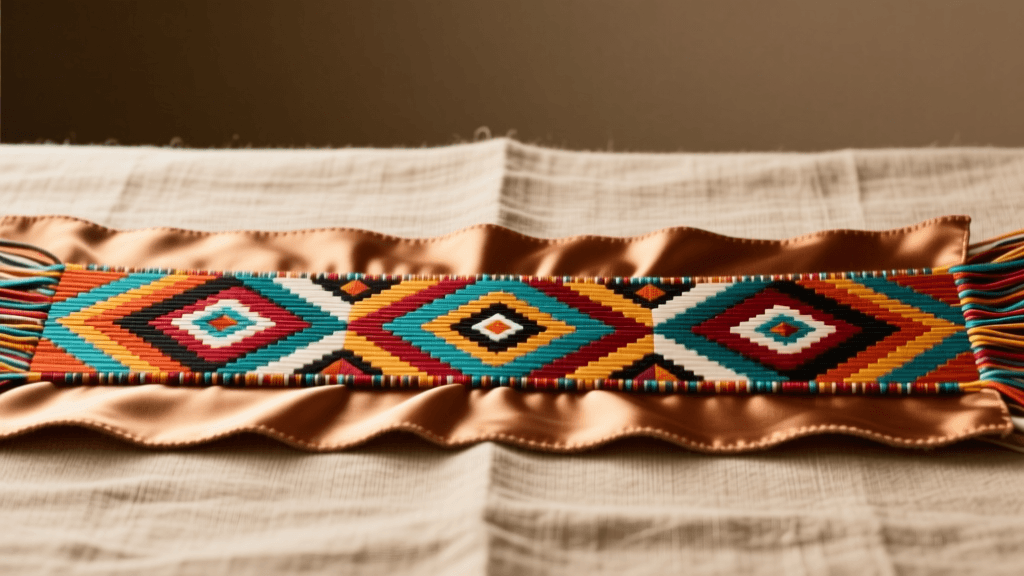
As we prepare for the 2026 powwow season, the demand for high-quality, authentic materials for Native American regalia continues to grow. Among the most visually striking and culturally significant textile traditions is ribbonwork, also known as ribbon appliqué. This intricate art form involves layering, cutting, and folding ribbons and fabrics to create complex, geometric, and floral patterns that adorn skirts, shawls, leggings, and moccasins. For Indigenous artisans, particularly those from the Woodland, Great Lakes, and Prairie regions, sourcing the right fabrics is not merely a matter of aesthetics; it is a vital step in preserving a living cultural heritage.
In 2026, the landscape of textile sourcing has shifted. Global supply chain adjustments have impacted the availability of traditional silk taffeta and wool broadcloth, making it essential for regalia makers to know exactly what to look for, where to find it, and how to evaluate fabric quality. This comprehensive guide will walk you through the best materials for Native American ribbonwork, providing actionable advice, sourcing tips, and preservation techniques for the modern artisan.
Cultural Roots and Regional Variations
Ribbonwork emerged in the late 18th and early 19th centuries when European traders introduced silk ribbons and broadcloth to Indigenous nations. Tribes such as the Osage, Potawatomi, Ojibwe, Myaamia, and Menominee rapidly adapted these materials, transforming them into a distinct and sophisticated art form that replaced older porcupine quillwork and hide painting techniques. According to the National Museum of the American Indian, ribbon appliqué quickly became a marker of tribal identity, with specific color combinations and pattern structures denoting different nations and families.
Today, the Osage are particularly renowned for their complex reverse-appliqué techniques, often utilizing vibrant silk taffeta to create striking contrasts. Meanwhile, Prairie tribes often incorporate wool broadcloth for heavier garments like leggings and matchcoats, which are essential for winter powwows and outdoor ceremonies. Understanding these regional distinctions is crucial when selecting your base fabrics and ribbon widths for your 2026 regalia projects.
Top Fabric Choices for 2026 Regalia
1. Silk Taffeta: The Gold Standard
Silk taffeta remains the undisputed champion of traditional ribbonwork. Known for its crisp hand, subtle sheen, and distinctive 'scroop' (the rustling sound it makes when moved), silk taffeta holds sharp creases and folds exceptionally well. This structural integrity is vital for the intricate folding and layering required in Osage and Potawatomi appliqué. In 2026, authentic 100% silk taffeta is becoming increasingly rare and expensive, with prices often exceeding $45 per yard for imported European silks. When shopping, always perform a burn test on a scrap piece; genuine silk will smell like burning hair and leave a crushable ash, whereas synthetic polyester blends will melt into a hard, plastic bead.
2. Wool Broadcloth and Stroud Cloth
For heavier garments, wool broadcloth is indispensable. Historically referred to as 'Stroud cloth' (named after the English town where much of the early trade cloth was milled), this densely felted, medium-to-heavyweight wool is perfect for leggings, skirts, and capes. It does not fray when cut, making it ideal for the exposed edges typical in some Prairie-style ribbonwork. In 2026, look for 100% wool melton or broadcloth with a tight weave. Rayon-wool blends are available and offer a softer drape, but they lack the historical accuracy and durability of pure wool.
3. Cotton Sateen and Rayon Blends
While not historically traditional, high-quality cotton sateen and heavy rayon linings are frequently used by contemporary artisans for practice pieces, children's regalia, or as backing fabrics to stabilize delicate silk appliqué. Cotton sateen provides a beautiful luster and is significantly more affordable, usually ranging from $12 to $18 per yard. However, it lacks the crispness of silk taffeta and requires heavy starching and careful pressing to achieve the sharp folds necessary for complex geometric patterns.
2026 Material Comparison Chart
| Fabric Type | Best Use in Regalia | Fraying Tendency | Avg. Cost/Yard (2026) | Care Instructions |
|---|---|---|---|---|
| 100% Silk Taffeta | Skirts, shawls, intricate appliqué | High (requires edge finishing) | $40 - $65 | Dry clean only; press on low heat with a press cloth. |
| Wool Broadcloth | Leggings, matchcoats, winter skirts | Very Low (non-fraying) | $28 - $45 | Spot clean or dry clean; steam press to shape. |
| Cotton Sateen | Practice, children's regalia, backing | Moderate | $12 - $18 | Machine wash cold, tumble dry low; heavy starch. |
| Polyester Taffeta | Budget projects, parade regalia | High (melts if heat-sealed) | $6 - $10 | Machine washable; low heat iron (risk of melting). |
Where to Source Authentic Materials
Finding reliable suppliers who understand the specific needs of Indigenous artisans can be challenging. Big-box craft stores rarely carry the width, weight, or fiber content required for authentic regalia. For the 2026 season, specialized trading posts and Indigenous-owned textile vendors are your best resources.
Crazy Crow Trading Post has long been a staple for Native American craft supplies, offering a curated selection of wool broadcloth, silk ribbons, and specialized sewing notions. They frequently stock the specific widths of grosgrain and satin ribbons needed for traditional edge-binding. Additionally, connecting with community hubs like Powwows.com can lead you to independent Indigenous weavers and fabric importers who pool resources to buy silk taffeta in bulk directly from mills in Europe and Asia, bypassing the steep markups of domestic retail shops.
When ordering online in 2026, always request physical swatches before committing to large yardage. Monitor the fabric's grainline and ensure the dye lot is consistent, as natural silk dyes can vary significantly between batches.
Essential Tools for the Modern Artisan
The right tools elevate your ribbonwork from amateur to masterful. To achieve the razor-sharp lines characteristic of Woodland and Prairie appliqué, you must invest in precision equipment:
- Rotary Cutters and Mats: A fresh 45mm rotary blade is essential for cutting through multiple layers of starched silk taffeta without snagging or pulling the delicate fibers.
- Microtex/Sharp Needles: When machine-stitching the base layers, use Microtex needles (size 70/10 or 80/12). These needles have a very sharp point that pierces tightly woven silk without causing runs or skipped stitches.
- Beeswax and Silk Thread: For hand-stitching the final folds and securing the hidden appliqué stitches, run your 100% silk or fine cotton thread through a block of pure beeswax. This prevents tangling and adds durability to the seams.
- Heavy Spray Starch: Traditional artisans often use a mixture of cornstarch and water, but modern, heavy-duty commercial spray starches are widely used in 2026 to give cotton and rayon blends the stiff, paper-like quality needed for precise folding.
- Glass Head Pins: Never use standard plastic-headed pins on silk taffeta; the plastic can melt under a hot iron and permanently ruin the fabric. Glass head pins withstand high heat and leave minimal holes in delicate textiles.
Mastering the Hidden Stitch Technique
The hallmark of high-quality ribbonwork is the invisibility of the structural stitches. While machine sewing is often used to attach the base ribbons to the background fabric, the final folding and edge-turning are frequently secured by hand using a blind hem stitch or a modified whip stitch that catches only a single thread of the background fabric.
When executing Osage-style reverse appliqué, the top layer of silk is cut away to reveal the contrasting color beneath. The raw edge of the top layer is folded under by exactly 1/8th of an inch and pinned meticulously. Using a fine beading needle (size 12 or 13) and matching silk thread, the artisan stitches from the underside, ensuring the thread never passes entirely through to the face of the garment. This technique requires immense patience and excellent lighting, but the result is a seamless, vibrant mosaic of color that appears to float on the garment.
Preservation and Storage Best Practices
Regalia is not merely clothing; it is a sacred investment of time, money, and spiritual energy. Proper storage is critical to ensuring your ribbonwork survives for generations. The Library of Congress Digital Collections houses numerous historical examples of 19th-century ribbonwork that have survived due to meticulous care, offering valuable lessons for modern preservation.
Never store silk taffeta or wool broadcloth in plastic bins. Plastic traps moisture and off-gases chemicals that can degrade natural fibers and cause dyes to bleed. Instead, wrap your completed skirts and shawls in unbleached, acid-free muslin or cotton sheets. Store the garments flat in cedar chests or archival-quality cardboard boxes. If you must hang a heavy wool matchcoat, use a wide, padded wooden hanger to distribute the weight and prevent the shoulders from stretching or tearing. Keep your regalia in a cool, dark, and climate-controlled environment, and utilize natural pest deterrents like cedar blocks and dried lavender rather than chemical mothballs, which can permanently taint the fabric with harsh odors and toxic residues.
Conclusion
Creating Native American ribbonwork regalia in 2026 is a profound act of cultural continuity. By understanding the historical significance of the patterns, investing in high-quality silk taffeta and wool broadcloth, and employing traditional hand-stitching techniques, artisans ensure that this vibrant art form continues to thrive on the powwow trail and in ceremonial gatherings. Take the time to source your materials ethically, respect the teachings of your elders, and let the rustle of silk taffeta announce your presence with pride and dignity.