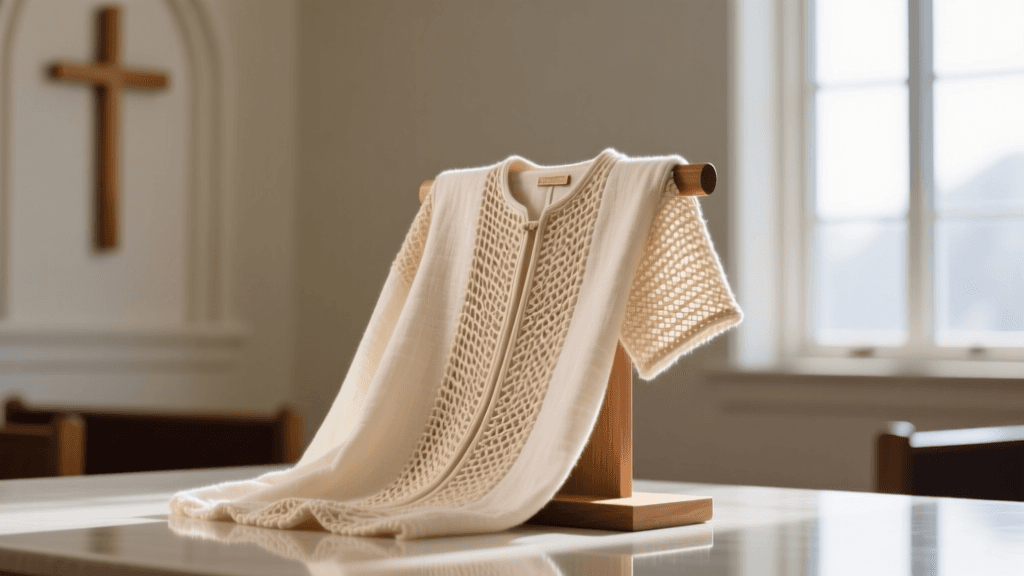
Diné Traditional Dress and Weaving Styles for 2026
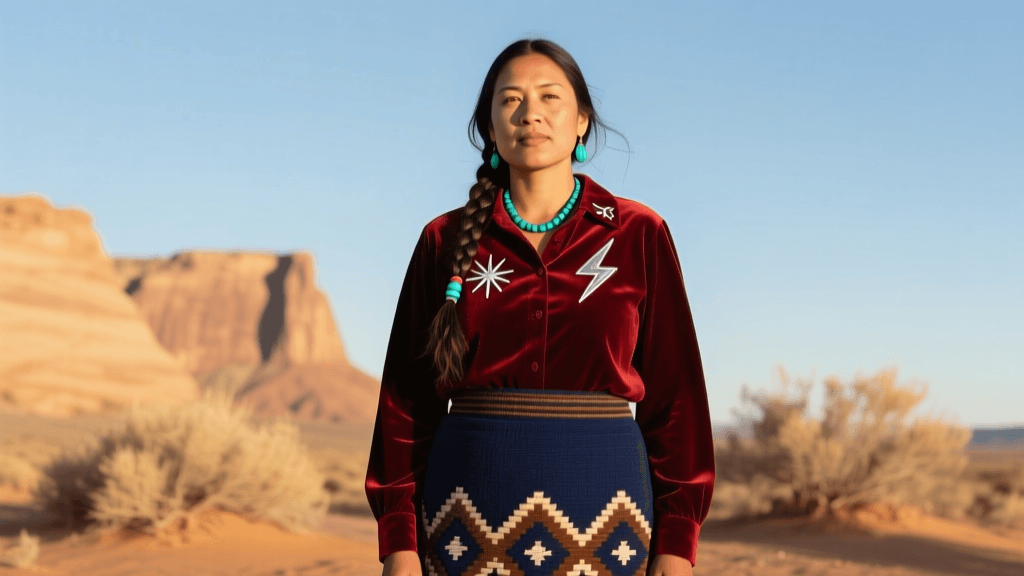
The Living Tradition of Diné Textile and Dress
The Diné (Navajo) people possess one of the most recognizable, culturally profound, and enduring textile and clothing traditions in North America. Rooted in the teachings of Spider Woman (Na'ashjé'ii Asdzáá), who taught the Diné how to weave, and Spider Man, who crafted the first loom, the creation of garments is not merely a practical endeavor but a deeply spiritual practice. As we navigate 2026, there is a profound resurgence in the everyday and ceremonial wearing of traditional Diné attire. From high school and university graduation ceremonies across the Southwest to major cultural gatherings and powwows, Diné youth and elders alike are proudly adorning themselves in handwoven wool, rich velvet, and intricate silverwork.
Understanding Diné traditional dress requires looking beyond the concept of static historical costumes. These garments are living, evolving expressions of identity that have adapted to centuries of trade, environmental shifts, and cultural resilience. Today, the intersection of ancestral techniques and contemporary 2026 fashion sensibilities has created a vibrant market for authentic, Indigenous-made garments that honor the past while firmly planting themselves in the present.
Core Elements of Modern Diné Attire
The Biil (Woven Dress)
The biil is the traditional two-piece woven dress that remains the pinnacle of Diné women's ceremonial and formal wear. Historically woven from the fleece of the Navajo-Churro sheep, the biil is constructed on an upright wooden loom. The dress consists of two rectangular panels that are folded over the shoulders and stitched together along the sides, leaving openings for the arms and head. In 2026, master weavers continue to use hand-carded and hand-spun Churro wool, often dyeing the yarn with botanical sources such as wild walnut hulls for deep browns, rabbitbrush for vibrant yellows, and indigo for rich blues.
Wearing a biil in 2026 is a statement of immense cultural pride and a significant financial investment. Because a single dress can take a master weaver anywhere from three to six months to complete, the biil is treated as an heirloom. It is typically accessorized with a heavy silver concho belt, multiple strands of turquoise and silver beads, and traditional knee-high deerskin moccasins wrapped with woven legging bands.
Velvet Shirts and Blouses
While woven wool represents the ancient roots of Diné dress, velvet represents the adaptive resilience of the 19th and 20th centuries. Introduced through trading posts in the late 1800s, velvet quickly became a favored material due to its rich texture, durability, and elegant drape. Today, the velvet shirt for men and the velvet blouse for women are considered standard traditional attire for both formal events and daily wear on the reservation.
Modern Diné velvet shirts in 2026 are often tailored with a Western-style yoke but feature traditional elements such as silver concho buttons down the placket and intricate ribbon work or brocade trim along the cuffs and collar. For women, the velvet blouse is frequently paired with a wide, tiered calico or satin skirt, creating a silhouette that is distinctly Diné. The color palette has also expanded; while deep blacks, navies, and burgundies remain popular for formal wear, contemporary weavers and seamstresses are increasingly incorporating vibrant teals, purples, and earthy ochres to reflect personal clan affiliations and regional aesthetics.
Woven Sashes and Belts
No traditional Diné outfit is complete without a woven sash or belt. Woven on a small, portable loom or using a rigid heddle technique, these belts feature complex geometric patterns, including chevrons, diamonds, and stepped terraces. In 2026, woven sashes are used to cinch the waist of a velvet blouse, tie off the edges of a biil dress, or serve as a supportive band for the lower back during long ceremonies. The incorporation of metallic threads and high-sheen mercerized cotton has given modern sashes a brilliant luster that catches the light during traditional dances.
Regional Weaving Styles Influencing Garments
Diné weaving is not a monolith; it is highly regionalized, with distinct styles emerging from different trading posts and geographical areas across the Navajo Nation. While many of these styles are primarily associated with floor rugs and tapestries, their color palettes and geometric motifs heavily influence the borders, sashes, and accent pieces of traditional garments.
| Regional Style | Key Characteristics | Influence on Garments |
|---|---|---|
| Ganado | Deep red backgrounds, black borders, bold geometric crosses and diamonds. | Often used for heavy winter shawls and ceremonial sashes; the red and black palette heavily influences velvet shirt trim. |
| Two Grey Hills | Complex, intricate geometric patterns using natural, undyed wool colors (browns, whites, blacks, tans). | Highly prized for biil dresses; the natural wool tones are considered the most traditional and spiritually significant. |
| Wide Ruins | Banded patterns, pastel and earth tones, horizontal stripes with stepped motifs. | Popular for modern woven skirts, wide cinch belts, and contemporary ribbon-shirt accents. |
| Teec Nos Pos | Vibrant, multi-colored aniline dyes, intricate borders, and 'busy' geometric designs. | Rarely used for full garments, but motifs are frequently adapted into modern beaded medallions and velvet appliqué. |
Silverwork and Turquoise Adornment
The integration of silversmithing into Diné dress began in the mid-19th century, learned initially from Mexican plateros and quickly elevated into a distinct, world-renowned art form. In 2026, Diné silversmiths continue to utilize traditional techniques such as tufa casting, stamp work, and hand-forged repoussé to create breathtaking adornments.
The squash blossom necklace remains the most iconic piece of Diné jewelry. Composed of silver beads, petal-like 'blossoms' (which historically represented pomegranate blossoms introduced by Spanish colonizers), and a central naja (crescent-shaped pendant), these necklaces are worn by all genders during major cultural events. Similarly, the silver concho belt—featuring large, hand-stamped silver ovals strung on a leather thong—is an essential component of the biil dress and the velvet shirt. In 2026, with the rising scarcity of high-grade natural turquoise from closed mines like Bisbee and Lander Blue, contemporary silversmiths are increasingly incorporating alternative stones such as lapis lazuli, spiny oyster shell, and fossilized ivory, alongside carefully sourced, ethically mined Nevada and Arizona turquoise.
Sourcing Authentic Diné Garments in 2026
As the demand for Indigenous fashion has grown globally, so too has the market for mass-produced, inauthentic knock-offs. When purchasing Diné traditional dress, it is vital to ensure that the garments are created by enrolled members of federally recognized tribes, in compliance with the Indian Arts and Crafts Act. The Indian Arts and Crafts Board provides excellent resources and directories for verifying authentic Native American artisans and businesses.
To source genuine biil dresses, velvet shirts, and silverwork in 2026, buyers should prioritize direct relationships with artisans, reputable trading posts on the Navajo Nation (such as those in Window Rock, Chinle, or Kayenta), and established Indigenous art markets. The annual Santa Fe Indian Market and the Heard Museum Guild Indian Fair & Market remain the premier venues for acquiring museum-quality garments directly from the weavers and silversmiths who crafted them.
2026 Pricing Guide for Authentic Garments
- Handwoven Biil Dress (Navajo-Churro Wool): $3,500 – $8,500+ (Price scales with the fineness of the weave, complexity of the Two Grey Hills or Ganado patterns, and the reputation of the master weaver).
- Custom Tailored Velvet Shirt/Blouse: $350 – $800 (Depends on the inclusion of silver concho buttons and the complexity of brocade or ribbon appliqué).
- Hand-Stamped Silver Concho Belt: $2,500 – $12,000+ (Heavily dependent on the weight of the sterling silver, the tufa-casting technique, and the quality/origin of the turquoise settings).
- Woven Sash / Cinch Belt: $150 – $450 (Based on width, length, and the use of metallic or hand-dyed yarns).
- Traditional Knee-High Moccasins: $400 – $900 (Hand-braided deerskin or cowhide, often featuring intricate brass or silver concho side-ties).
Care and Preservation of Woven Wool and Velvet
Investing in traditional Diné clothing means taking on the responsibility of preserving these textile arts for future generations. Woven Churro wool is naturally lanolin-rich, making it somewhat water-resistant and highly durable, but it requires specialized care. The Wheelwright Museum of the American Indian, a leading institution in the preservation of Navajo textiles, advises against dry cleaning hand-spun wool garments whenever possible, as harsh chemicals can strip the natural oils and degrade the botanical dyes.
Instead, biil dresses and woven sashes should be aired out in a shaded, well-ventilated area and gently brushed with a soft-bristled garment brush to remove dust. For storage, garments should never be hung on wire hangers, which can distort the warp and weft of the weave. Instead, they should be folded loosely with acid-free tissue paper and stored in a cool, dark, and dry environment to prevent moth damage and UV fading. Velvet shirts should be steamed rather than ironed to maintain the pile of the fabric, and silver jewelry should be removed before storing the garments to prevent the oxidation of the silver from staining the delicate velvet fibers.
By understanding the deep history, regional variations, and proper care of these garments, wearers and collectors in 2026 can ensure that the profound legacy of Diné weaving and dress continues to thrive for generations to come.