Mormon Temple Garments 2026: History, Styles & Buying Guide
Introduction to LDS Temple Garments
For endowed members of The Church of Jesus Christ of Latter-day Saints, temple garments represent a sacred, deeply personal commitment. Often referred to simply as 'garments' or 'Mormon underwear' by the general public, these garments are actually a form of spiritual armor and a constant physical reminder of covenants made within the temple. As of 2026, the Church has continued to refine the materials, sizing, and global distribution of these sacred items, ensuring they meet the diverse needs of a worldwide membership. This comprehensive guide explores the rich history, spiritual significance, modern 2026 fabric options, and the practicalities of purchasing and caring for LDS temple garments today.
The History and Spiritual Significance
Origins in Nauvoo
The history of the temple garment traces back to the early 1840s in Nauvoo, Illinois. According to the Church's official Gospel Topics essay on Temple Garments, Joseph Smith introduced the garment as part of the temple endowment. The original garments were one-piece, full-length undergarments that extended to the wrists and ankles, reflecting the modesty standards and practical needs of the 19th century. The concept of sacred underclothing is not unique to the Latter-day Saint tradition; it echoes the ancient Israelite practice where the High Priest wore specific linen garments as described in the Book of Exodus. Joseph Smith's translation of ancient texts and his revelatory experiences informed the specific marks and patterns integrated into the Nauvoo-era garments, each serving as a mnemonic device for gospel principles.
Evolution of the Design
Over the decades, the design of the garment has evolved to accommodate changing cultural norms, climates, and clothing styles. In the 1920s and 1930s, the Church authorized the transition from the one-piece union suit to the modern two-piece design (a separate top and bottom), which remains the standard in 2026. The length of the sleeves and legs was gradually adjusted to allow members to wear contemporary clothing while still maintaining the sacred markings and modesty requirements. Today, the garment is viewed not as a magical talisman, but as a sacred reminder of the covenants made in the temple, offering spiritual protection and encouraging a life of modesty and faith.
2026 Temple Garment Styles and Fabrics
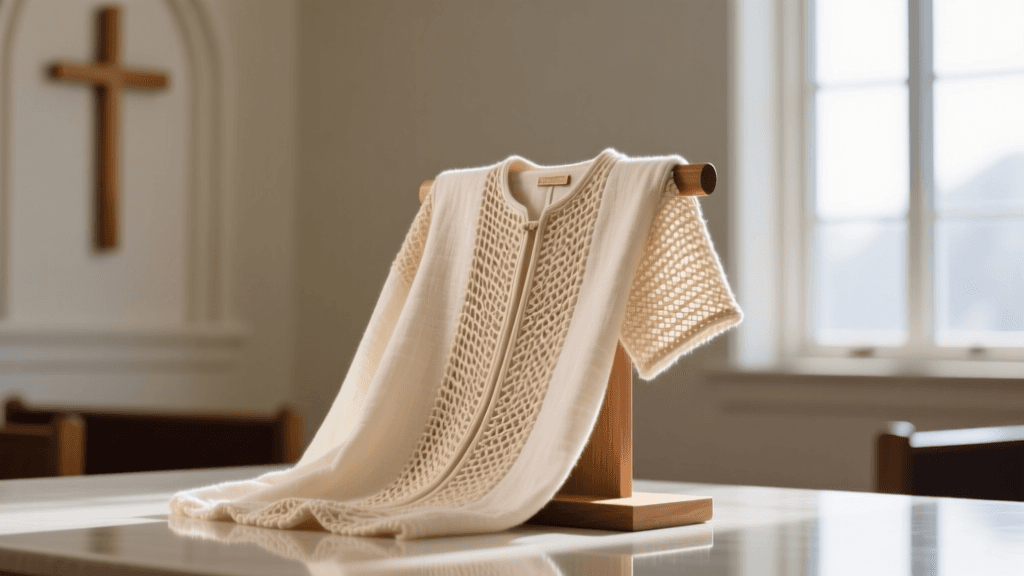
In 2026, the Church's Distribution Services offers a highly specialized lineup of garment fabrics and cuts designed to accommodate everything from extreme athletic activity to formal wear and hot, humid climates. The integration of advanced textile engineering has allowed for greater comfort without compromising the sacred nature of the garment.
Comparison of 2026 Fabric Options
| Fabric Type | Material Blend | Best Climate/Use | 2026 Est. Price (Top/Bottom) |
|---|---|---|---|
| Classic Cotton | 100% Premium Cotton | Moderate climates, sensitive skin | $9.50 / $10.50 |
| Cotton Stretch | 95% Cotton, 5% Spandex | Active lifestyles, form-fitting apparel | $11.00 / $12.00 |
| Modesty Mesh | Synthetic Cooling Mesh | Hot/humid climates, intense athletics | $12.50 / $13.50 |
| Women's Cap Sleeve | Cotton/Modal Blends | Everyday wear, layered under t-shirts | $11.50 / N/A |
| Women's Camisole | Stretch Lace/Cotton | Formal wear, wide-neck blouses | $13.00 / N/A |
Women's and Men's Specific Cuts
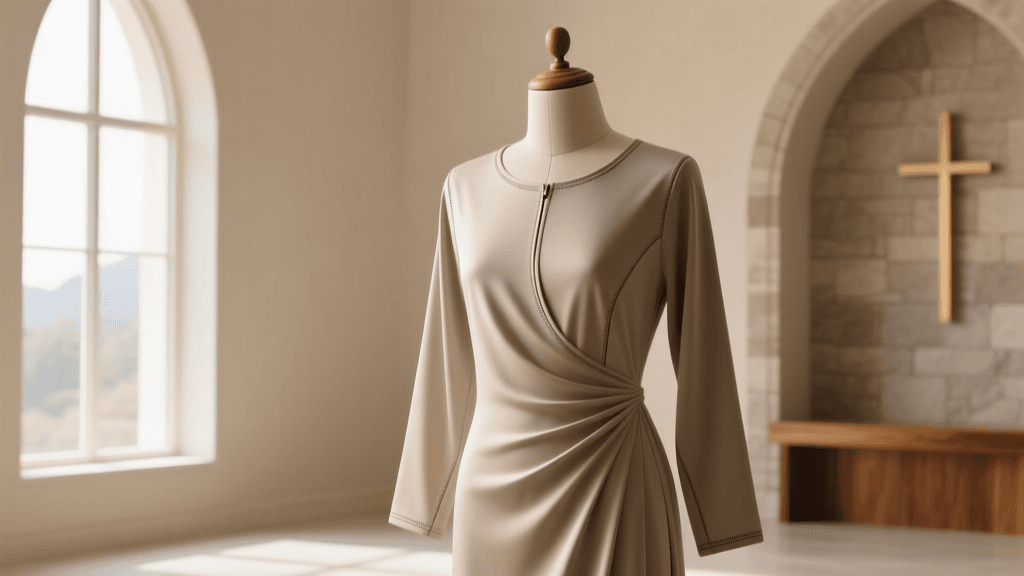
For men, the 2026 lineup primarily focuses on the standard crew neck and v-neck tops, paired with boxer-brief or brief-style bottoms. The introduction of the 'Stretch' line in recent years has been widely embraced by men in the military, athletes, and those living in tropical regions. For women, the options have expanded significantly. Beyond the standard rounded neckline, women can purchase cap-sleeve tops, camisoles with built-in shelf bras, and specialized maternity panels. These adaptations ensure that women can maintain their covenants comfortably through all stages of life and fashion requirements.
How to Purchase Garments in 2026
Purchasing temple garments is restricted to endowed members of the Church who hold a current temple recommend. In 2026, the buying process is more streamlined than ever, thanks to updates in the Church's digital infrastructure.
- Online via the Church Store App: Members can log into their secure Church account via the official Church Distribution Services portal. The 2026 app update includes an AI-assisted sizing tool that recommends fits based on previous purchases and user-inputted measurements.
- Temple Recommend Verification: The verification process is tied directly to the member's digital Church record. When logging into the store, the system automatically checks the status of the user's temple recommend. If a recommend has expired, the system will politely restrict access to the garment purchasing section, ensuring that only those in good standing can acquire new items.
- Local Distribution Centers: Most temples and large meetinghouses feature a physical Distribution Center where members can try on sizing samples and purchase garments in person.
- Temple Rental and Purchase: For members traveling to temples, many locations still offer rental garments for the endowment ceremony itself, though purchasing personal garments beforehand is highly recommended for hygiene and comfort.
When ordering online, shipments are discreetly packaged to protect the privacy of the wearer. International shipping has also improved in 2026, with localized distribution hubs in South America, Africa, and Asia reducing delivery times from weeks to mere days.
Care, Maintenance, and Respectful Disposal
Because of their sacred nature, garments require specific care. They should be washed with regular laundry, but members are encouraged to treat them with respect, avoiding washing them with heavily soiled or inappropriate items. In 2026, most stretch and mesh fabrics are designed to be tumble-dried on low heat, though air-drying is recommended for the Modesty Mesh line to preserve the integrity of the cooling fibers.
If a garment develops a small tear, members are encouraged to mend it carefully rather than immediately discarding it, reflecting a principle of stewardship and respect for sacred items. Many members use simple needle and thread to repair seams that have come loose during rigorous physical activity.
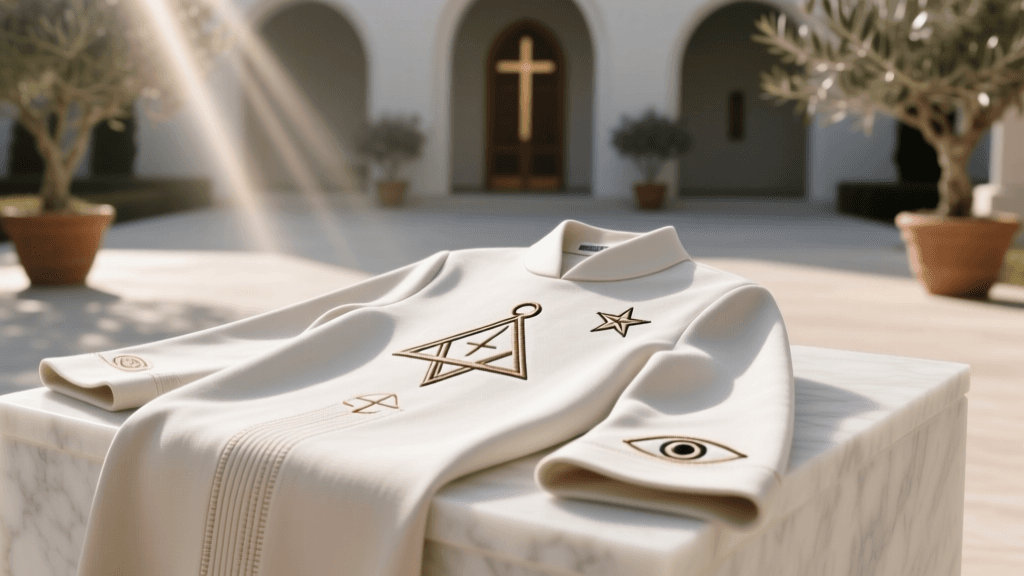
When a garment becomes worn, torn, or unusable, it must be disposed of respectfully. The longstanding Church directive remains in effect: members should cut out the sacred marks (the insignia located on the chest and knee areas) and destroy them, typically by burning or cutting them into unrecognizable pieces. The remaining fabric, now stripped of its sacred markings, can be discarded in the regular trash or repurposed as cleaning rags. It is never appropriate to donate used garments to thrift stores or give them away.
Preparing for the Temple
For those preparing to receive their endowment, understanding the commitment of wearing the garment is a crucial part of Temple Preparation guidelines. Bishops and stake presidents counsel members on the lifelong nature of this commitment. The garment is worn day and night, removed only for activities where it would be damaged or where modesty necessitates its removal, such as swimming or bathing. It serves as a private, quiet anchor in a noisy world, connecting the wearer to the divine promises made in the house of the Lord.
Conclusion
The Mormon temple garment is far more than a piece of clothing; it is a profound expression of faith, modesty, and covenant-keeping. As we move through 2026, the continued innovation in fabrics and global accessibility ensures that Latter-day Saints worldwide can honor their commitments comfortably and faithfully. Whether you are a lifelong member updating your wardrobe with the latest cooling meshes, or a new convert preparing for your first purchase, understanding the history and proper care of these sacred items deepens the spiritual significance they hold in everyday life.