LDS Temple Garments for Women: 2026 Fit & Style Guide
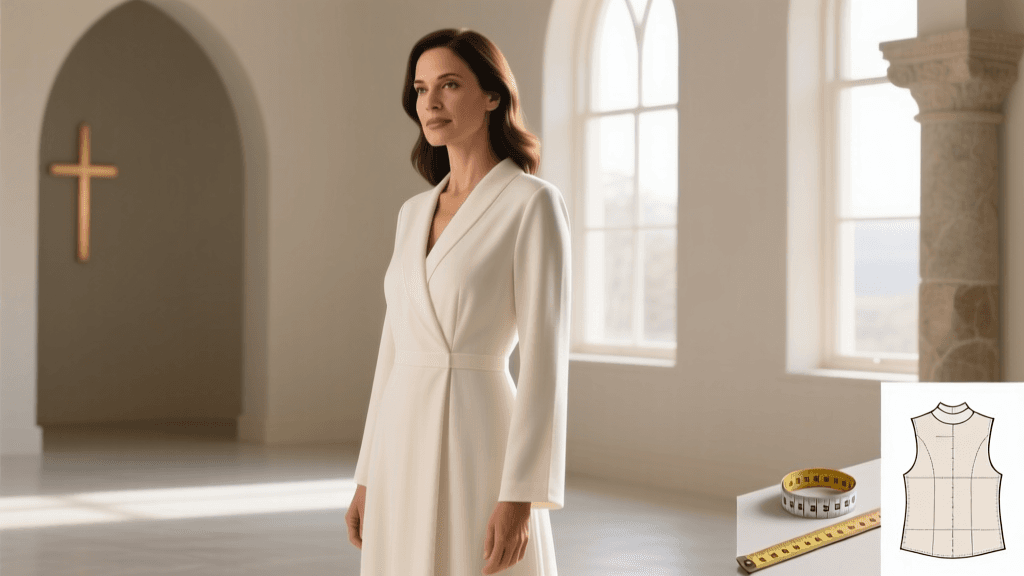
Navigating Women's Temple Garment Styles in 2026
For women of The Church of Jesus Christ of Latter-day Saints, the temple garment is a deeply sacred reminder of covenants made in the temple. Over the years, the styles, fabrics, and fits have evolved to meet the diverse lifestyles, climates, and professional needs of modern women. As we move through 2026, the options available through Church Distribution Services and authorized retailers offer unprecedented comfort, inclusive sizing, and advanced fabric technologies.
Whether you are preparing to receive your endowment for the first time or are looking to update your current wardrobe with the latest 2026 releases, understanding the nuances of fit, fabric, and style is essential. This comprehensive guide breaks down everything you need to know about women's temple garments in 2026, ensuring you can honor your covenants while maintaining comfort and confidence in your daily life.
Understanding the Sacred Requirements
Before exploring specific styles, it is crucial to understand the foundational requirements of the garment. According to the Church's General Handbook, the garment serves as a personal reminder of covenants and provides a protective covering for the body. The design and coverage are not arbitrary; they are established by Church leadership to ensure modesty and reverence.
The non-negotiable elements of the garment include:
- Torso Coverage: The garment must cover the midriff, ensuring no skin is exposed between the top and bottom pieces, even when reaching or bending.
- Sleeve Length: Sleeves must cap the shoulder and cover the armpit area completely.
- Leg Length: The bottom piece must extend to at least mid-thigh, providing adequate coverage under skirts, dresses, and shorts.
- Sacred Marks: The specific marks woven or embroidered into the fabric must remain intact and unaltered. Modifying the garment to change the placement or size of these marks is strictly prohibited.
While these parameters are fixed, the 2026 catalog offers a wide array of necklines, sleeve cuts, and fabrics that work seamlessly within these boundaries, allowing women to adapt their garments to various outerwear styles and weather conditions.
Top Garment Styles and Necklines for Women
The Church and its authorized manufacturing partners have significantly expanded the style options available to women. In 2026, the focus is on versatility, allowing garments to be worn invisibly under everything from professional business attire to evening wear and athletic gear.
Comparison of 2026 Neckline and Sleeve Options
| Style | Best For | Key Features |
|---|---|---|
| Round Neck (Classic) | Everyday wear, modest outerwear | Higher neckline, provides full chest coverage, traditional fit. |
| Scoop Neck | Casual wear, wider necklines | Lower front dip, remains within covenant boundaries, cooler for summer. |
| V-Neck | Professional wear, blouses | Angular cut that hides well under button-down shirts and wrap dresses. |
| Cap Sleeve | Sleeveless dresses, summer tops | Minimal shoulder coverage while protecting the armpit and sacred marks. |
| Long Sleeve | Winter wear, modest professional | Full arm coverage, available in lightweight thermal blends for 2026. |
The introduction of the "Contour Fit" line in late 2025 and expanded in 2026 has been a game-changer for women. Unlike the traditional boxy cut, the Contour Fit features subtle darting at the bust and waist, eliminating the bunching that often occurs when tucking garments into high-waisted trousers or skirts.
Fabric Innovations: Choosing the Right Material
Fabric choice is perhaps the most critical factor in daily comfort, especially for women living in extreme climates or those with active lifestyles. The Church Newsroom has previously highlighted how advancements in textile manufacturing have allowed for garments that breathe better and last longer without compromising their sacred nature.
100% Cotton
The traditional choice, 100% cotton remains highly popular for its breathability and hypoallergenic properties. In 2026, the "Pima Cotton" blend is the premium standard, offering a softer hand-feel and greater resistance to pilling than standard cotton. However, pure cotton lacks stretch, which can lead to bagging at the knees and elbows by the end of the day.
Modal and Micro-Modal Blends
Modal, a semi-synthetic fabric made from beech tree pulp, has become the top choice for women seeking a luxurious, silky feel. The 2026 Modal/Spandex blends offer incredible four-way stretch, making them ideal for maternity wear, travel, and active days. They drape beautifully under thin fabrics and resist wrinkling, making them a favorite for professional women.
Moisture-Wicking Performance Mesh
For athletes, hikers, or those living in tropical climates, the performance mesh bottom and moisture-wicking synthetic tops are essential. These fabrics pull sweat away from the body and dry rapidly. The 2026 updates to the mesh line feature reinforced gussets and anti-microbial treatments to ensure freshness throughout long, active days.
How to Measure for the Perfect Fit
A poorly fitting garment can cause chafing, distraction, and discomfort. The 2026 sizing charts have been overhauled to accommodate a wider range of body types, including plus sizes and petite proportions. To ensure the perfect fit, follow these measuring steps:
- Bust: Measure around the fullest part of your chest, keeping the tape measure level across your back.
- Waist: Measure your natural waistline, typically the narrowest part of your torso, just above the belly button.
- Hips: Measure around the fullest part of your hips and buttocks.
- Torso Length (For one-piece or precise two-piece sizing): Measure from the base of your neck (shoulder seam) down through your legs and back up to the same shoulder seam. This ensures the crotch seam sits correctly without pulling on the shoulders.
Pro Tip for 2026: If you fall between sizes, the Church's updated distribution guidelines recommend sizing up for woven cotton (which has no stretch) and sizing down for modal/spandex blends (which are designed for a compressive, supportive fit).
Maternity and Adaptive Garment Options
The 2026 catalog places a strong emphasis on inclusivity, particularly for women experiencing pregnancy or those with physical disabilities. The updated maternity line features ultra-stretchy modal panels that expand over the bump while maintaining the required torso coverage. These panels are designed to be worn throughout all three trimesters and into the postpartum recovery period.
For women with limited mobility, arthritis, or sensory processing sensitivities, the new adaptive garment line introduces magnetic closures hidden behind modest overlapping flaps, as well as tagless, flat-seam constructions that eliminate skin irritation. These adaptive designs strictly adhere to the coverage requirements outlined by Church leadership while providing life-changing comfort for those who previously struggled with traditional garment designs.
Purchasing Options and Distribution
Women can purchase garments through the official Church Distribution Services online portal, at local distribution centers attached to temples, or through authorized third-party retailers.
In 2026, the online ordering system features a "Virtual Fit Assistant" that uses your standard bra and pant sizes to recommend the ideal garment size and style combination. Additionally, the Church has expanded its localized distribution hubs, meaning shipping times for specialized items—like maternity panels or custom-length bottoms—have been reduced from weeks to just a few days.
Care and Maintenance for Longevity
To protect your investment and ensure the sacred marks remain pristine, proper care is essential.
- Washing: Use cold or warm water with a mild, bleach-free detergent. Chlorine bleach will degrade the spandex in modern blends and can weaken the threads holding the sacred marks.
- Drying: Tumble dry on low heat or air dry. High heat is the enemy of modal and stretch fabrics, causing them to lose their shape and elasticity over time.
- Storage: Fold garments neatly in a dedicated drawer. Avoid hanging the tops by the straps, as this will stretch out the shoulder seams, altering the fit and potentially exposing the armpit area.
Conclusion
The landscape of women's temple garments in 2026 is more accommodating, comfortable, and versatile than ever before. By understanding the sacred requirements, utilizing the latest fabric technologies, and taking accurate measurements, LDS women can build a garment wardrobe that supports their spiritual commitments while seamlessly integrating into their modern, dynamic lives. Whether you prefer the classic reliability of Pima cotton or the modern stretch of performance modal, there is a perfect fit waiting for you.