Woodland Regalia Broadcloth and Ribbon Sourcing 2026
The Evolution of Woodland Regalia Textiles in 2026
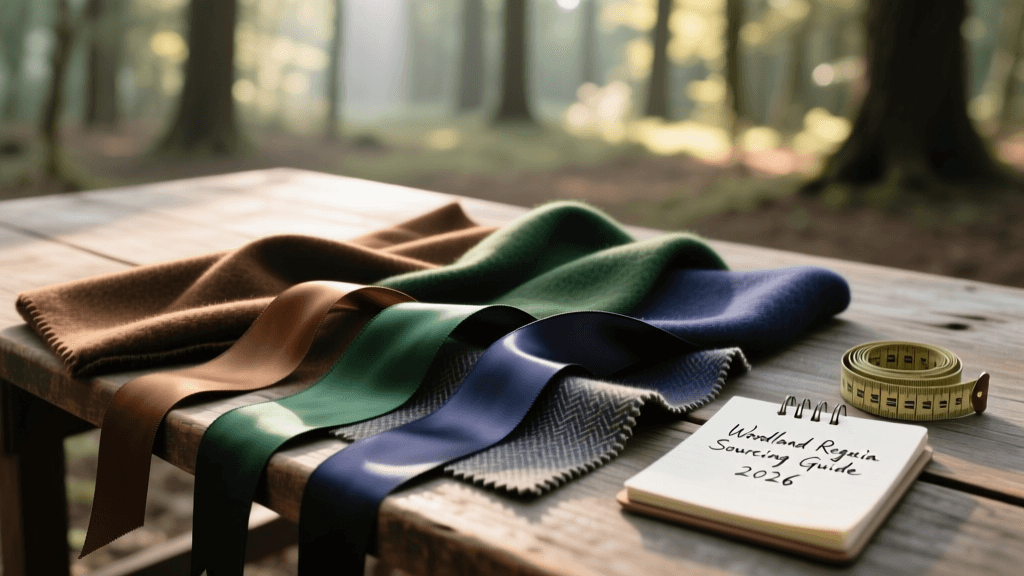
As we navigate the 2026 powwow season and community gatherings, the creation of traditional Woodland regalia remains a profound expression of Anishinaabe, Haudenosaunee, Ho-Chunk, and other Great Lakes and Northeastern Indigenous cultures. The foundation of much of this regalia—particularly ribbon shirts, ribbon skirts, and traditional hooded garments—relies heavily on high-quality wool broadcloth and vibrant silk or satin ribbons. Understanding the current textile market is essential for regalia makers who demand authenticity, durability, and cultural accuracy in their work.
Historically, Indigenous artisans adapted European trade goods, transforming wool stroud cloth and silk ribbons into distinct, culturally significant garments. According to the Milwaukee Public Museum's Native American collections, the integration of trade cloth in the 18th and 19th centuries fundamentally shifted Woodland clothing from primarily brain-tanned buckskin to tailored wool garments adorned with intricate appliqué. Today, in 2026, artisans are blending these historical techniques with modern sewing technologies, though the demand for premium, natural-fiber textiles has never been higher.
Sourcing Premium Wool Broadcloth for 2026
Wool broadcloth, specifically Melton wool, is the gold standard for Woodland regalia due to its dense weave, felted finish, and resistance to fraying when cut for appliqué work. In 2026, the global textile supply chain has stabilized, but the cost of premium, 100% wool Melton has settled between $45 and $75 per yard, depending on the mill and weight.
When sourcing broadcloth, regalia makers must pay attention to the fabric weight, typically measured in ounces per linear yard. For a traditional men's ribbon shirt or a heavy winter skirt, a 24 oz to 30 oz Melton is ideal. It provides the necessary structure to support heavy beadwork and complex ribbon appliqué without sagging. For lighter summer garments or children's regalia, a 16 oz to 20 oz wool blend or lightweight Melton is preferred to prevent overheating during July and August powwows.
Top suppliers for 2026 include specialized historical textile importers and dedicated Indigenous-owned trading posts. While Pendleton remains a household name for wool blankets and shirts, their apparel-weight broadcloth is often too light for structured regalia. Instead, makers are turning to imported English Melton from heritage mills like AW Hainsworth, or specialized North American distributors who cater directly to the Native American trade cloth market.
Comparison Chart: Broadcloth Types for Regalia
| Material Type | Weight (oz/yd) | 2026 Avg. Price | Best Application | Fray Resistance |
|---|---|---|---|---|
| English Melton (100% Wool) | 24 - 30 oz | $65 - $85 | Heavy skirts, men's shirts, leggings | Excellent |
| Standard Trade Broadcloth | 18 - 22 oz | $45 - $55 | Everyday ribbon shirts, hoods | Very Good |
| Wool Felt (Craft Grade) | Variable | $15 - $25 | Practice pieces, small appliqué | Good |
| Pendleton Suiting Wool | 12 - 14 oz | $40 - $60 | Lightweight vests, summer skirts | Fair (requires finishing) |
Ribbonwork: Sourcing Silk and Satin Ribbons
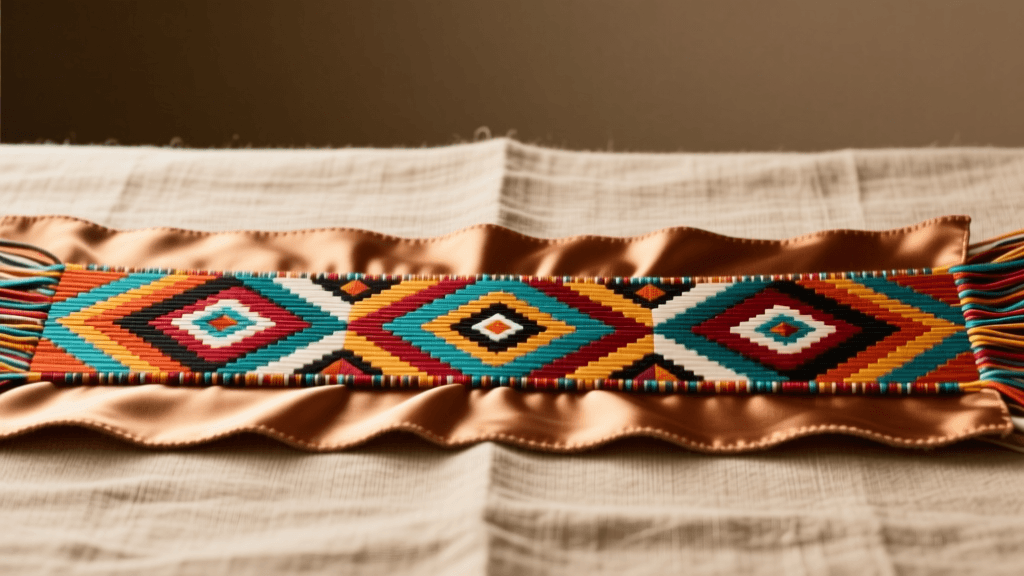
Ribbonwork is a hallmark of Woodland and Prairie Indigenous artistry. The Oklahoma Historical Society notes that ribbonwork appliqué, which involves cutting and layering ribbons to create intricate, symmetrical patterns, reached its zenith in the late 19th century and continues to evolve today. In 2026, the challenge for artisans is sourcing ribbons that are colorfast, durable, and possess the correct drape for reverse appliqué techniques.
For authentic, high-end regalia, 100% silk taffeta ribbon is the ultimate choice. It offers a crisp edge that is easy to sew and a beautiful, natural luster. However, silk taffeta can be difficult to source and expensive, often costing $3 to $5 per yard for a single 1-inch width. As a highly durable and vibrant alternative, many regalia makers in 2026 utilize high-quality double-faced satin or grosgrain ribbons from premium brands like Offray or May Arts. These synthetic or blended ribbons are widely available, cost between $0.50 and $1.50 per yard, and withstand the rigorous cleaning processes required for dance regalia.
When designing a ribbon shirt, the standard widths utilized are 3/8-inch for fine detailing and geometric borders, 1/2-inch for standard appliqué layers, and 1-inch or wider for bold, structural bands. It is crucial to purchase all ribbons from the same dye lot to ensure color consistency across the garment.
Measurements and Yardage Guide
Accurate yardage estimation prevents costly shortages. For a standard adult men's ribbon shirt in 2026, featuring a traditional yoke, front placket, and cuff detailing, you will need approximately 2.5 to 3 yards of 60-inch-wide wool broadcloth. For the ribbonwork, a complex yoke design may require up to 40 yards of assorted ribbon widths, while a simpler, more traditional linear design might only require 15 to 20 yards.
For a traditional women's wrap skirt or tiered ribbon skirt, the yardage increases significantly. A floor-length, gathered wool skirt requires roughly 3 to 4 yards of broadcloth, depending on the desired fullness. The ribbonwork on the bottom tier alone can consume 10 to 15 yards of ribbon per row. Makers are advised to sketch their patterns on graph paper before purchasing materials, calculating the linear inches of every appliqué layer to ensure precise budgeting.
Modern Backing and Interfacing Techniques
While historical garments relied solely on the density of the trade cloth, modern 2026 sewing techniques often incorporate specialized interfacings to support heavy glass seed beads and metal jingles. When applying beadwork directly to broadcloth, the fabric must be stabilized to prevent warping.
Regalia makers frequently use heavy-duty, sew-in Pellon (such as SF101 or Peltex) or high-density craft felt as a backing layer. This backing is basted to the wrong side of the broadcloth before beading begins. For ribbon appliqué, a lightweight tear-away stabilizer can be placed underneath the fabric during machine sewing to ensure the zigzag or top-stitching remains perfectly flat, preventing the wool from puckering under the tension of the sewing machine foot.
Preserving Heirloom Garments
Proper care ensures that regalia can be passed down through generations. The Minnesota Historical Society emphasizes the importance of proper storage for Native American textiles, which are highly susceptible to environmental damage. Wool broadcloth is particularly attractive to clothes moths and carpet beetles.
In 2026, the best practice for storing heavy wool regalia is to clean the garments thoroughly before the off-season. Dry cleaning is generally recommended for heavily beaded wool garments to avoid shrinking or disturbing the beadwork tension. Once cleaned, the garments should be stored in breathable, 100% cotton garment bags—never in plastic, which traps moisture and promotes mildew. To deter pests, regalia makers should use natural repellents like cedar blocks or dried lavender sachets placed inside the storage bags, avoiding direct contact with the silk ribbons or beadwork to prevent oil transfer and discoloration. By respecting both the historical roots and the modern material science of Woodland textiles, artisans continue to keep their culture vibrant and visible on the powwow trail.