Oaxacan Huipil Guide 2026: Spotting Authentic Natural Dyes
The Enduring Legacy of the Oaxacan Huipil in 2026
The huipil is far more than a traditional garment; it is a wearable codex of Indigenous identity, history, and cosmology. Originating in pre-Columbian Mesoamerica, this tunic-like dress remains a vital part of daily and ceremonial life for many Indigenous women across Mexico and Central America. In the southern Mexican state of Oaxaca, the Zapotec and Mixtec weaving traditions have survived centuries of colonization and industrialization. Today, as we navigate the 2026 global textile market, the demand for authentic, naturally dyed Oaxacan huipiles has surged. This renaissance is driven by a growing global consciousness regarding sustainable fashion, slow textiles, and the urgent need to protect Indigenous intellectual property from mass-market appropriation.
However, this heightened demand has also flooded tourist markets with synthetic, machine-made imitations. For collectors, cultural enthusiasts, and ethical fashion advocates, understanding the nuances of traditional Oaxacan textile arts is essential. This comprehensive 2026 guide will walk you through the mechanics of the backstrap loom, the chemistry of ancestral natural dyes, and the practical steps for ethically sourcing authentic garments directly from Zapotec artisan cooperatives.
The Mechanics of the Backstrap Loom
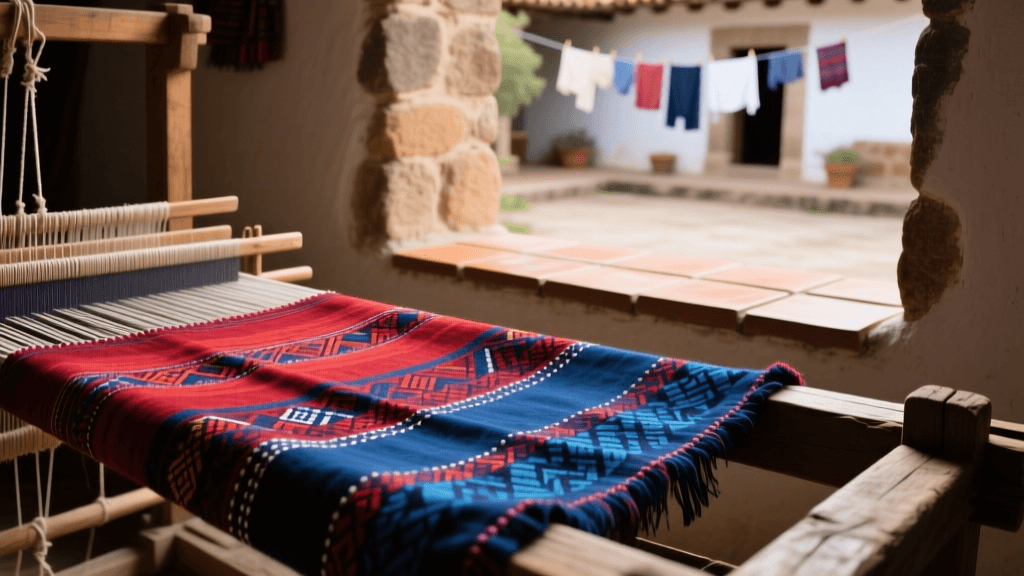
To appreciate the value of an authentic huipil, one must first understand the instrument of its creation. The backstrap loom is an ancient, highly portable weaving device that relies on the weaver's own body weight to create tension. One end of the loom is tied to a sturdy post or tree, while the other is secured around the weaver's lower back via a leather or woven strap. By leaning forward or backward, the weaver meticulously controls the warp tension, allowing for the intricate, mathematical precision required for traditional brocade patterns.
Unlike the rigid, floor-standing pedal looms introduced by the Spanish in the 16th century (which are typically used for larger rugs and blankets in places like Teotitlán del Valle), the backstrap loom produces fabric with a distinct, intimate character. The width of the textile is limited by the reach of the weaver's arms, meaning a full huipil is usually constructed from two or three separate panels (lienzos) that are later joined together with elaborate, decorative randa stitching. A single, heavily brocaded huipil woven on a backstrap loom can take anywhere from three to eight months of daily labor to complete, making the 2026 market prices for authentic pieces a reflection of immense human dedication.
Decoding Zapotec Motifs and Glyphs
The patterns woven into an Oaxacan huipil are never purely decorative; they are a visual language. While specific motifs vary by village—from the vibrant, floral-inspired designs of Santo Tomás Jalieza to the geometric, diamond-heavy patterns of the Isthmus of Tehuantepec—several core Zapotec symbols remain prevalent across the region:
- The Diamond (El Rombo): Representing the universe and the four cardinal directions, the diamond is often stacked or nested to symbolize the cycle of life, death, and agricultural renewal.
- The Centipede (El Ciempiés): Frequently found along the selvedge or borders, this motif represents the winding path of life and the connection between the earthly realm and the underworld.
- The Frog and Toad: Symbols of fertility and the impending rainy season, crucial for the region's agricultural survival.
- The Double-Headed Eagle: A syncretic motif that blends pre-Columbian mythology with Spanish colonial heraldry, often representing duality and the watchful eyes of the ancestors.
The Chemistry of Color: Natural Dyes in the Modern Era
The most critical factor in authenticating and valuing an Oaxacan huipil in 2026 is the dye source. Before the arrival of synthetic aniline dyes in the late 19th century, Mesoamerican weavers relied on a profound knowledge of local botany and entomology. Today, master dyers are reviving and protecting these ancestral methods.
Cochineal: The Red Gold of Oaxaca
The most famous of all Oaxacan dyes is derived from the cochineal insect (Dactylopius coccus), a tiny scale insect that lives on the pads of the nopal (prickly pear) cactus. When dried and crushed, the female insects yield carminic acid, producing a breathtaking, colorfast crimson. What makes cochineal truly magical is its responsiveness to mordants and pH modifiers. By adding acidic lime juice, the weaver shifts the color to a vibrant orange; by introducing alkaline wood ash or baking soda, the crimson deepens into a rich, royal purple. In 2026, cochineal remains one of the most expensive natural dyes in the world, and its presence in a textile is a primary indicator of a master artisan's work.
Indigo (Añil) and the Fermentation Vat
Sourced from the leaves of the indigofera plant, natural blue dye requires a complex, living fermentation vat. Unlike synthetic blues, which sit flat and uniform, natural añil yields shades ranging from pale sky blue to deep, midnight navy, often with subtle, organic variations in the yarn that give the fabric a soulful depth. The process is incredibly labor-intensive, requiring the dyer to monitor the pH and temperature of the vat daily.
Marigold, Pecan, and Wild Cotton
Yellows and golds are traditionally achieved using cempasúchil (Mexican marigold) flowers or the leaves of the pericón plant. Browns and deep blacks are derived from pecan shells, oak galls, and the mineral-rich mud of specific riverbeds. Additionally, many weavers in 2026 are increasingly utilizing 'coyuche'—a native, naturally brown wild cotton—eliminating the need for dye altogether while providing a stunning, earthy contrast to dyed fibers.
Authentication Guide: Natural vs. Synthetic Dyes
As textile tourism in Oaxaca continues to boom in 2026, distinguishing between genuine natural dyes and cheap synthetic alternatives is a vital skill for buyers. Use the following comparison chart to evaluate textiles in markets and cooperatives.
| Dye Source | Color Profile & Characteristics | Scent & Texture | 2026 Market Price (Per Meter) |
|---|---|---|---|
| Cochineal (Natural) | Deep crimson, purple, or orange. Shows slight yarn variations and a luminous, multi-dimensional depth under sunlight. | Faint earthy, slightly acidic scent when damp. Soft, organic hand-feel. | $85 - $150 USD |
| Synthetic Red (Azo Dyes) | Flat, hyper-vibrant, and uniformly consistent. Often bleeds heavily when wet. | Chemical or petroleum-like odor when new. Stiffer yarn texture. | $8 - $15 USD |
| Indigo / Añil (Natural) | Ranges from pale blue to deep navy. May have subtle white speckles where the dye didn't fully penetrate the yarn core. | Smells faintly of earth and fermentation. Yarn feels supple. | $70 - $120 USD |
| Synthetic Blue | Harsh, uniform navy or bright cyan. Lacks the subtle gradations of a living vat dye. | Odorless or chemical. Can feel brittle or overly slick. | $6 - $12 USD |
| Marigold / Pericón (Natural) | Muted golds, ochres, and soft yellows. Fades gracefully to a warm patina over time. | Faint herbal or floral scent. Excellent drape. | $50 - $90 USD |
Ethical Sourcing and 2026 Pricing Expectations
If you are looking to purchase an authentic, naturally dyed huipil in 2026, it is crucial to bypass the middlemen in Oaxaca City's central markets, where synthetic knockoffs are frequently marketed to tourists as 'handmade.' Instead, travel directly to the source villages or seek out certified fair-trade cooperatives.
Villages such as Teotitlán del Valle (famous for pedal-loom rugs but also home to master dyers), Santo Tomás Jalieza (renowned for backstrap woven belts and huipiles), and San Antonino Castillo Velasco (celebrated for intricate floral embroidery and smocking) are excellent starting points. In 2026, the Oaxacan Ministry of Culture, alongside various Indigenous rights NGOs, has expanded the use of digital authentication tags and cooperative stamps that verify the artisan's identity, the village of origin, and the use of natural dyes.
2026 Pricing Guidelines:
- Everyday Huipil (Cotton, synthetic or simple natural dyes, minimal brocade): $80 - $180 USD.
- Ceremonial Huipil (Hand-spun cotton, 100% cochineal/indigo, dense full-body brocade): $450 - $1,200+ USD.
- Rebozos and Maria Shawls (Naturally dyed, hand-knotted fringe): $200 - $600 USD.
Remember that haggling over the price of a naturally dyed, hand-woven textile is deeply disrespectful to the artisan's time and materials. The prices listed above reflect fair-trade standards that ensure the weaver can sustain their family and pass their knowledge to the next generation.
Care and Maintenance of Natural Dyes
Owning a naturally dyed Oaxacan huipil requires specific care to ensure the garment lasts for generations. Natural dyes are remarkably colorfast when properly mordanted, but they are sensitive to modern chemical detergents and harsh environmental factors.
- Washing: Never use commercial laundry detergents, which contain optical brighteners and enzymes that will strip natural carminic acid and indigo. Hand wash the garment in cold water using a pH-neutral soap, such as castile soap or a specialized wool-wash.
- Drying: Never wring or twist the fabric, as this can break the hand-spun cotton fibers. Roll the huipil in a clean, dry towel to press out excess water, then lay it flat in the shade. Direct sunlight will rapidly fade natural marigold and cochineal dyes.
- Storage: Store the garment flat or loosely rolled in a breathable cotton bag. Avoid wire hangers, which can distort the shoulders and cause the heavy brocade threads to pull and snap over time.
Conclusion
The Oaxacan huipil is a testament to the resilience and genius of Indigenous Mesoamerican women. As we move through 2026, the choices we make as consumers directly impact the survival of these ancient textile arts. By learning to identify the subtle beauty of natural cochineal and indigo, understanding the mechanics of the backstrap loom, and committing to ethical, direct-to-artisan sourcing, you do more than acquire a beautiful garment. You become an active participant in the preservation of a living, breathing cultural heritage that continues to weave the past into the future.