2026 LDS Garment Styles & Materials: Modern Updates
Introduction to Modern LDS Garments in 2026
For endowed members of The Church of Jesus Christ of Latter-day Saints, the temple garment is a sacred article of clothing that serves as a daily, tangible reminder of covenants made in the temple. While the symbolic markings and the fundamental purpose of the garment remain entirely unchanged, the physical construction, styles, and materials have seen significant modern updates leading into 2026. These updates are designed to accommodate active lifestyles, diverse global climates, and specific bodily needs, ensuring that members can wear their garments comfortably and faithfully in any environment.
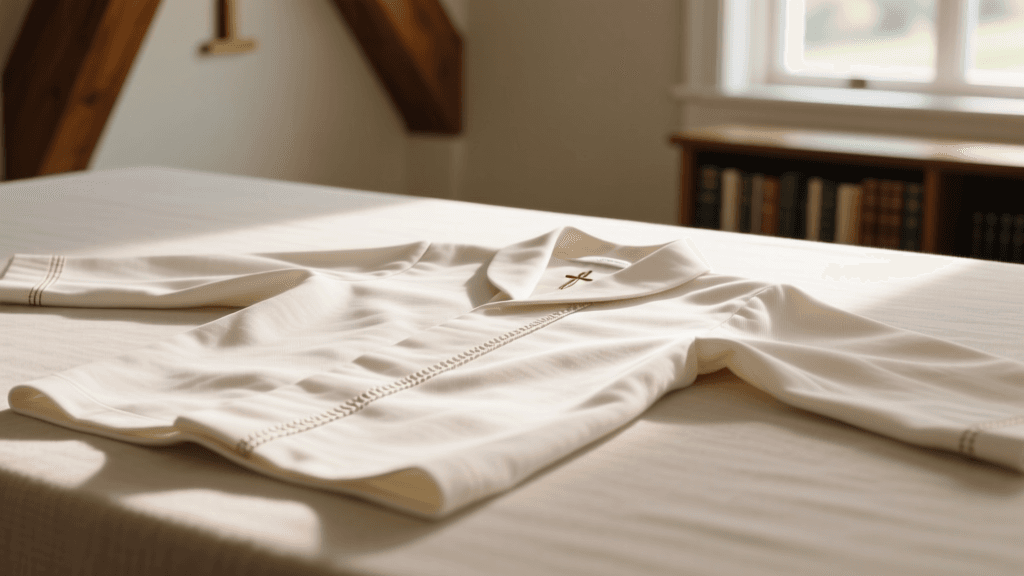
Historically, temple garments were primarily constructed from heavy, woven cotton and featured a uniform, unisex design. While durable, these older iterations often posed challenges in hot, humid climates or during rigorous physical activity. Over the last decade, and culminating in the comprehensive 2026 product lineup, the Church has introduced a wide array of advanced textiles and tailored cuts. This evolution reflects a broader understanding within American religious textile traditions that sacred dress must intersect practically with the daily lives of modern worshippers.
According to the Gospel Topics essay on Temple Garments, the garment serves as a personal and private reminder of the covenants made in the temple, designed to be worn beneath outer clothing to provide a constant, tangible connection to one's faith.
The Evolution of Temple Garment Materials
In 2026, the fabric choices available for LDS garments are more diverse and technologically advanced than ever before. The shift from a single heavy cotton option to a multi-fabric ecosystem has been a game-changer for members living in tropical regions, those with sensory sensitivities, and athletes.
Cotton and Cotton-Stretch Blends
Traditional 100% cotton remains available for those who prefer natural fibers and have sensitive skin. However, the 2026 cotton lineup now features a refined cotton-stretch blend. By weaving a small percentage of elastane into the cotton matrix, manufacturers have created a garment that retains the breathable, hypoallergenic qualities of pure cotton but offers significantly better shape retention and mobility. This stretch-cotton option is highly recommended for daily wear in temperate climates.
Modal and Microfiber Innovations
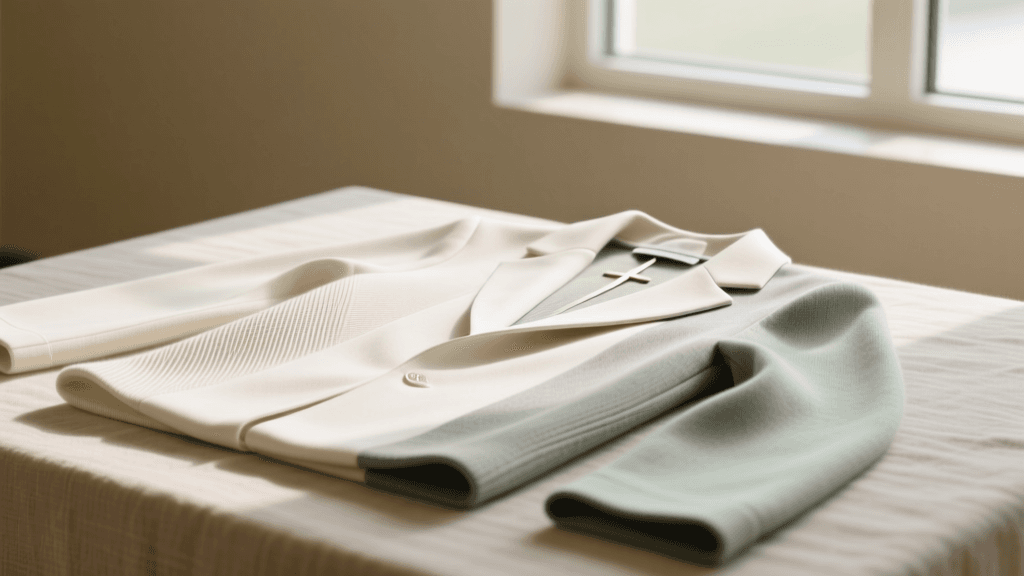
Modal, a semi-synthetic fabric made from beech tree pulp, has become a staple in the 2026 garment catalog. It is prized for its silk-like softness, exceptional drape, and resistance to shrinking. Modal garments are significantly lighter than cotton and wick moisture away from the skin, making them ideal for members who experience skin irritation from heavier fabrics. Microfiber and performance synthetic blends are also available, specifically engineered for high-sweat environments. These materials dry rapidly and resist odor buildup, catering to members with physically demanding jobs or those living in high-humidity areas.
Strategic Mesh Paneling
One of the most celebrated modern updates is the integration of breathable mesh panels. Recent announcements via the Church Newsroom have highlighted ongoing efforts to improve comfort and accessibility, ensuring that members living in diverse global climates can faithfully honor their covenants without undue physical discomfort. The 2026 mesh garments feature reinforced, modesty-compliant netting in high-heat zones such as the underarms, lower back, and inseam. This strategic ventilation drastically reduces heat retention while maintaining the required coverage and sacred markings.
Current Styles and Cuts Available
The modernization of LDS garments is not limited to fabrics; the actual silhouettes and cuts have been thoughtfully redesigned to better fit the human body and accommodate different life stages and activities.
Women’s Specific Designs
For decades, garments were largely unisex, which often resulted in a boxy, ill-fitting silhouette for women. The introduction and subsequent refinement of the women’s specific cut has been a monumental update. The 2026 women’s styles feature tailored darting for a more contoured fit, shorter cap-sleeves that remain hidden under modern blouses, and lower, rounded necklines that still strictly adhere to modesty guidelines. These adjustments prevent the garment from bunching or showing through contemporary women's apparel.
Athletic and Youth Options
For members engaged in sports, the athletic cut offers a streamlined, compressive fit. The athletic bottoms feature a significantly shorter inseam (often resembling a boxer-brief style) to prevent fabric from bunching under athletic shorts or compression gear. The tops are tailored closer to the torso to prevent riding up during dynamic movements. Additionally, youth styles are available for young adults preparing for the temple, featuring softer seams and simplified sizing to ease the transition into wearing sacred clothing.
Maternity and Medical Accommodations
The 2026 catalog also includes specialized maternity garments. These feature expansive, ultra-stretch abdominal panels that grow with the wearer throughout pregnancy, providing support without constriction. Furthermore, members with specific medical needs, such as those recovering from surgery or requiring ostomy access, can find adaptive styles or utilize approved third-party modesty garments that accommodate medical devices while preserving the sacred markings.
2026 Fabric and Style Comparison Chart
Choosing the right garment depends heavily on your climate, lifestyle, and skin sensitivity. Below is a comparison of the primary options available in 2026:
| Fabric / Style | Breathability | Durability | Best Climate / Use Case | Est. Price Range (2026) |
|---|---|---|---|---|
| 100% Cotton | Moderate | High | Temperate climates, sensitive skin | $12 - $15 |
| Cotton-Stretch | High | Very High | Everyday wear, active office jobs | $14 - $17 |
| Modal Blend | Very High | Moderate | Warm climates, sensory sensitivities | $16 - $19 |
| Performance Micro | High | High | High humidity, heavy labor | $15 - $18 |
| Mesh-Panel | Maximum | Moderate | Tropical climates, extreme heat | $17 - $21 |
| Athletic Cut | High | Very High | Sports, gym, running | $16 - $20 |
Sizing, Fit, and Purchasing Guide
Getting the correct fit is essential for both comfort and the proper placement of the sacred markings. A garment that is too tight can cause chafing and degrade the fabric prematurely, while one that is too loose may fail to provide the intended physical reminder and can bunch uncomfortably under clothing.
Actionable Tips for First-Time Buyers
- Measure Accurately: Do not rely on your standard t-shirt size. Use a soft measuring tape to measure your chest, waist, and hips. The Church Distribution sizing chart for 2026 provides exact inch and centimeter correlations for every cut.
- Consider Shrinkage: If you are purchasing 100% cotton and plan to machine dry your garments, consider sizing up by half a size to account for initial shrinkage. Modal and microfiber blends are pre-shrunk and highly resistant to further shrinking.
- Test the Neckline: When trying on a new style, wear the type of outer clothing you typically wear to work or church. Ensure the garment neckline remains completely concealed beneath your collar or blouse.
- Rotate Your Stock: Elasticity in stretch blends and athletic cuts degrades over time. It is recommended to purchase enough garments for a 7-to-10 day rotation to extend the lifespan of the elastic fibers.
Purchasing official temple garments requires an active temple recommend. Members can purchase these directly through Church Distribution Services online, via the Church's official mobile app, or at authorized physical retailers like Deseret Book. The online portal allows you to filter by gender, cut, fabric, and size, making it easier than ever to find your ideal match.
Care Instructions for Modern Blends
Proper care extends the life of your garments and preserves the integrity of the modern synthetic and semi-synthetic blends. While older cotton garments could withstand high heat and harsh detergents, the 2026 performance fabrics require a gentler approach.
- Washing: Wash garments in cold or warm water (never hot) using a mild, bleach-free detergent. Chlorine bleach will destroy the elastane fibers in stretch blends and cause modal fabrics to yellow and weaken.
- Drying: Tumble dry on low or medium heat. High heat will melt or warp the microfiber and mesh components. For modal garments, removing them from the dryer while slightly damp and allowing them to air-dry the rest of the way will prevent pilling and maintain the fabric's silky texture.
- Storage: Fold garments neatly rather than hanging them. Hanging can stretch out the shoulder seams, particularly in the women's specific cap-sleeve designs and the lightweight modal tops.
Conclusion
As we move through 2026, the intersection of faith, modesty, and modern textile engineering is more apparent than ever in the LDS garment lineup. The Church's commitment to providing a variety of cuts, from the women's specific darted tops to the high-ventilation mesh panels, demonstrates a deep respect for the diverse, active lives of its members. By understanding the unique properties of each fabric and selecting the cut that best aligns with your daily routine, you can ensure that your sacred clothing remains a comfortable, enduring, and meaningful part of your spiritual journey.