Guatemalan Huipil Guide 2026: Patterns and Ethical Sourcing
The Living Codex: Understanding the Maya Huipil in 2026
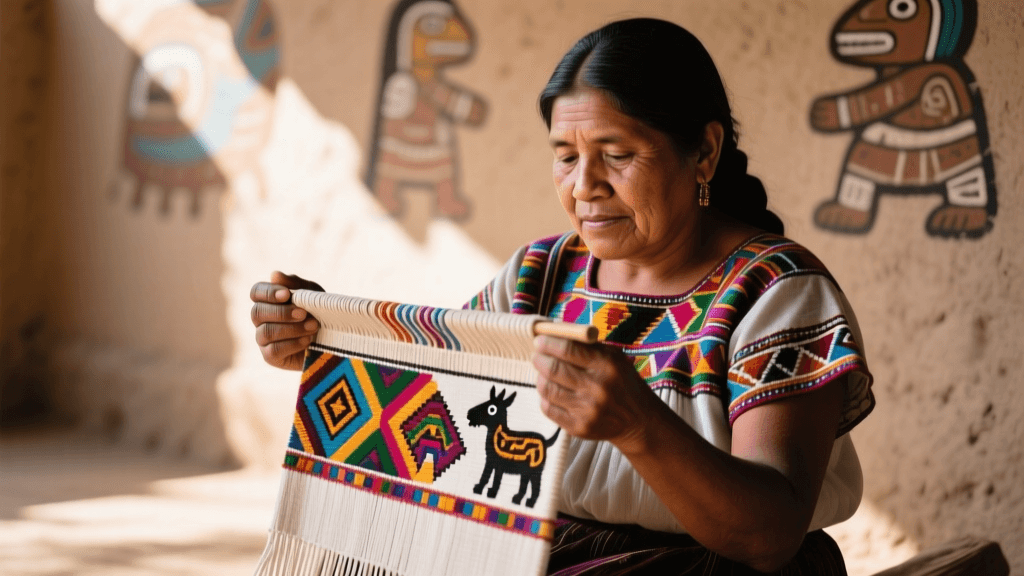
The Guatemalan huipil is far more than a traditional garment; it is a wearable codex of Maya cosmology, history, and identity. Worn by Indigenous women across the highlands and coastal regions of Guatemala, the huipil (pronounced wee-peel) serves as a visual language that communicates the wearer's village, social standing, and personal beliefs. As we navigate the global textile market in 2026, the demand for authentic, handwoven Latin American garments has surged. However, this rising popularity brings significant challenges, including the proliferation of mechanized knockoffs and the ongoing struggle for Indigenous intellectual property rights.
For collectors, ethical fashion enthusiasts, and cultural preservationists, understanding the intricate regional variations and the mechanics of traditional backstrap weaving is essential. This comprehensive guide explores the anatomy of the huipil, decodes its regional patterns, and provides actionable advice for ethically sourcing these masterpieces in today's market.
The Anatomy of an Authentic Huipil
An authentic huipil is constructed from one, two, or three rectangular panels of handwoven cloth known as lienzos. These panels are joined together using a decorative, hand-stitched seam called a randa. The neckline is typically formed by leaving a slit or folding the fabric, often finished with intricate cross-stitch embroidery or woven trim.
The Backstrap Loom and Supplementary Weft
The soul of the huipil lies in its creation on the backstrap loom (telar de cintura). This ancient, pre-Columbian device consists of a set of sticks, with one end anchored to a tree or post and the other secured around the weaver's lower back via a leather or woven strap. The weaver's body provides the tension for the warp threads, allowing for an intimate, rhythmic connection between the artisan and the textile.
The most prized huipiles feature brocado (brocade), a technique where supplementary weft threads are woven into the base fabric to create raised, intricate patterns. Unlike embroidery, which is stitched onto finished cloth, brocade is integrated during the weaving process itself, making the design reversible and structurally part of the garment. In 2026, a single, heavily brocaded ceremonial huipil can take a master weaver anywhere from three to eight months of daily labor to complete.
Identifying Regional Patterns: A 2026 Field Guide
Every Maya municipality in Guatemala possesses distinct textile traditions, color palettes, and motifs. While globalization and internal migration have blurred some boundaries, the core regional identities remain fiercely protected by local weaving cooperatives. Below is a comparison of four highly sought-after regional styles and their current 2026 direct-trade market values.
| Region / Municipality | Dominant Colors | Key Motifs & Characteristics | 2026 Direct-Trade Price Range (USD) |
|---|---|---|---|
| Chichicastenango | Vibrant Reds, Yellows, Purples | Sun rays, geometric flowers, heavy collar embroidery | $180 - $350 |
| Sololá | Deep Blues, Purples, Greens | Diamonds (universe), stylized birds, three-panel construction | $150 - $280 |
| Nahualá | Indigo, Navy, White accents | Stylized toads, double-headed eagles, dense geometric bands | $220 - $400 |
| San Juan La Laguna | Earth Tones, Natural Dyes | Ikat (jaspe) warp patterns, subtle brocade, eco-friendly dyes | $160 - $300 |
Decoding the Motifs
The patterns woven into the brocade are not merely decorative; they are deeply symbolic. The diamond shape, frequently seen in Sololá and Chichicastenango, represents the four corners of the universe and the movement of the sun. The quetzal bird symbolizes liberty and the divine, while the double-headed eagle (originating from the Spanish coat of arms but adapted into Maya cosmology) represents the duality of looking toward the past and the future. In agricultural communities like Nahualá, stylized toads and frogs are woven into the fabric as prayers for rain and fertile harvests.
The Threat of Mechanization and AI Knockoffs
As of 2026, the textile market has seen an influx of machine-made garments designed to mimic the appearance of handwoven brocade. Advanced computerized looms and AI-generated pattern algorithms can now replicate traditional Maya motifs at a fraction of the cost. These garments are often sold in tourist markets and online platforms as "authentic" Indigenous crafts, undercutting the livelihoods of traditional weavers.
How to Authenticate a Handwoven Huipil
To ensure you are purchasing a genuine handwoven textile, employ these three authentication techniques:
- The Reverse Side Test: Turn the garment inside out. True brocade will show the pattern clearly on the reverse side, often with slight, intentional floating threads where the supplementary weft skips across the back. Machine embroidery will show a chaotic web of backing threads or a completely blank reverse side.
- The Selvedge Inspection: Handwoven panels on a backstrap loom feature finished edges (selvedges) that are perfectly straight but possess a slight, organic irregularity. Machine-woven cloth is cut from massive rolls, leaving raw edges that are later hemmed or serged.
- The Tension and Texture: Because the weaver controls the tension with her body, handwoven cotton has a distinct, slightly uneven texture that feels dense and substantial. Mechanized fabrics feel uniformly flat and lack the structural weight of hand-spun or hand-loomed cotton.
Ethical Sourcing and Indigenous Intellectual Property
The most critical aspect of acquiring a huipil in 2026 is ensuring that your purchase directly benefits the Maya artisans and respects their cultural heritage. For decades, international fashion brands have engaged in cultural appropriation, lifting traditional patterns for mass production without compensation or credit. In response, Maya weaving coalitions have been actively fighting for legal recognition of their textiles as Indigenous intellectual property.
Organizations and international bodies are taking note. The World Intellectual Property Organization (WIPO) has extensively documented the necessity of protecting traditional knowledge and cultural expressions from misappropriation, providing frameworks that Indigenous cooperatives in Guatemala are currently leveraging to protect their regional designs. Furthermore, institutions like the Museo Ixchel del Traje Indígena in Guatemala City play a vital role in preserving historical garments and educating the public on the profound cultural significance of these textiles, ensuring that the history of the Maya weavers is not erased by commercial exploitation.
Where to Buy Ethically in 2026
To bypass exploitative middlemen, buyers should seek out certified fair-trade cooperatives and direct-trade platforms. Cooperatives such as Trama Textiles operate on a model where 100% of the profits are returned to the weavers, funding community education, healthcare, and the preservation of natural dyeing techniques. When purchasing online or in person, look for transparency regarding the weaver's name, their specific village, and a clear breakdown of how the purchase price supports the community. Many certified cooperatives in 2026 have also adopted digital tagging systems, allowing buyers to scan a QR code on the garment's hangtag to view a video of the specific artisan weaving the piece.
Caring for Your Handwoven Garment
A high-quality huipil is an investment that can last for generations if properly maintained. The care required depends on the materials used, particularly whether the artisan employed natural dyes (like cochineal for red or indigo for blue) or colorfast commercial yarns.
- Washing: Always handwash your huipil in cold water using a pH-neutral, mild detergent. Never use bleach or harsh chemicals, as these will strip natural dyes and weaken hand-spun cotton fibers. If the garment features heavy, dark brocade, wash it separately for the first time, as some natural dyes may experience slight bleeding.
- Drying: Never wring or twist the fabric, as this can distort the tension of the backstrap-woven cloth. Gently press the water out by rolling the huipil in a clean, dry towel. Lay it flat to dry in a shaded, well-ventilated area. Direct sunlight will rapidly fade both natural and commercial dyes.
- Storage: Avoid hanging heavy, multi-panel huipiles on wire hangers, as the weight of the brocade can stretch the warp threads over time. Instead, fold the garment with acid-free tissue paper to prevent deep creases, or roll it around a cotton-covered tube. Store in a cool, dry place, utilizing natural cedar blocks or dried lavender to deter moths and insects.
Conclusion: Wearing the Cosmos
The Guatemalan huipil remains one of the most sophisticated and culturally significant textile traditions in the Americas. By learning to identify the distinct regional brocades, understanding the mechanics of the backstrap loom, and committing to ethical sourcing, collectors and fashion enthusiasts can play a vital role in sustaining this ancient art form. In 2026, every ethically sourced huipil is not just a beautiful addition to a wardrobe; it is a tangible act of cultural preservation, a direct investment in Indigenous women's livelihoods, and a celebration of the living Maya cosmos.