LDS Temple Garments 2026: Cultural Meaning & Style Guide
The Intersection of Faith, Textiles, and the Americas
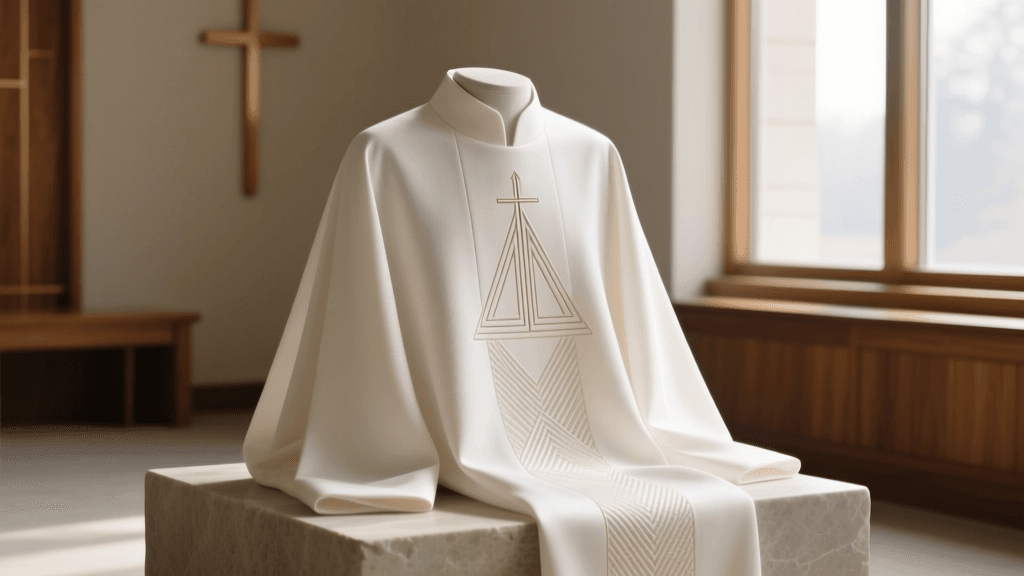
Within the rich tapestry of religious and traditional clothing across the Americas, few garments carry as much intimate, daily significance for their wearers as the temple garments of The Church of Jesus Christ of Latter-day Saints (LDS). Often referred to simply as "garments" or "Mormon undergarments" by the general public, these sacred textiles represent a profound intersection of American religious history, modern textile innovation, and deep spiritual covenant. For the millions of Latter-day Saints living across North, Central, and South America, the garment is not merely a piece of clothing; it is a continuous, tangible reminder of sacred promises made in the temple.
As we navigate the textile landscape of 2026, the production, design, and cultural understanding of LDS temple garments have evolved to meet the diverse climatic and lifestyle needs of a global membership, while maintaining the strict symbolic standards established in the 19th century. At The Garment Atlas, we explore how this unique religious dress functions within the broader context of the Americas, including its fascinating parallels with Indigenous concepts of sacred regalia.
Historical Roots and Religious Symbolism
The origins of the LDS temple garment trace back to the 1840s in Nauvoo, Illinois, during the early formation of the Church's temple rituals. According to the Church's official Gospel Topics Essay on Temple Garments, the garment was introduced by founder Joseph Smith as a physical representation of spiritual covenants. Historically, early garments were one-piece union suits that extended to the wrists and ankles, reflecting the modesty standards and textile realities of the 19th-century American frontier.
Today, the garment consists of a two-piece set (a top and bottom) featuring specific, carefully placed marks woven or embroidered into the fabric. These marks are deeply symbolic:
- The Compass: Represents keeping one's life on the correct course and staying true to covenants.
- The Square: Symbolizes exactness, honor, and integrity in all dealings.
- The Navel Mark: Signifies the need for continuous spiritual nourishment and the eternal nature of the soul.
- The Knee Mark: Represents the willingness to bow in reverence and prayer to God.
For endowed members of the Church, wearing the garment is a lifelong commitment. It serves as a "shield and a protection" against worldly influences, functioning much like a spiritual armor that grounds the wearer in their faith throughout their daily activities.
Parallels with Indigenous American Sacred Regalia
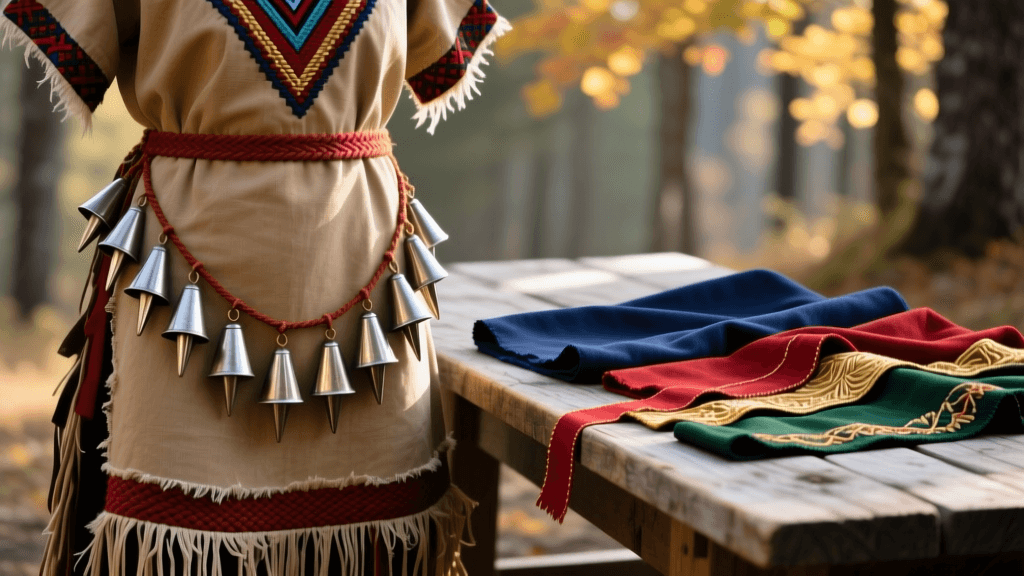
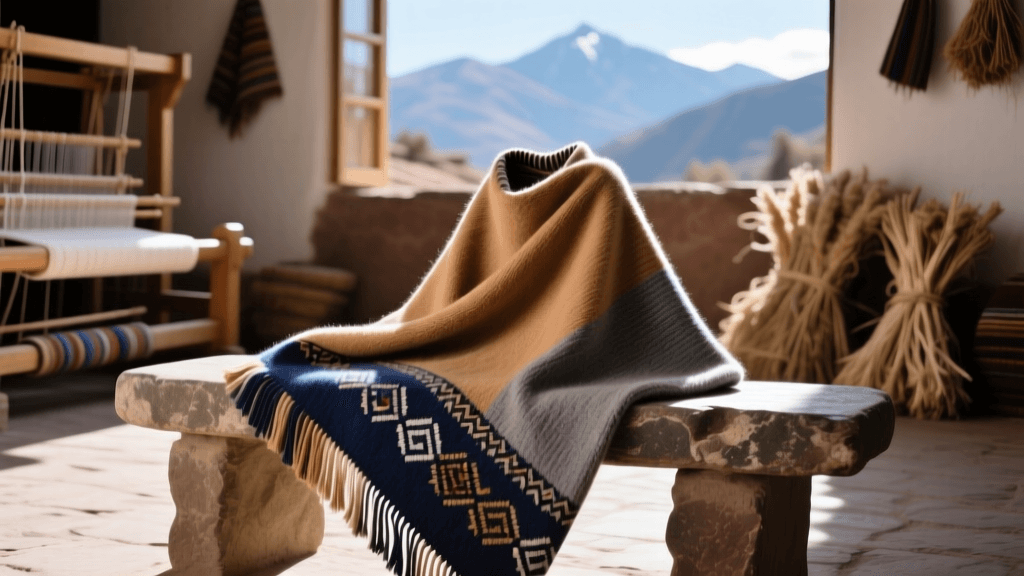
To fully appreciate the cultural weight of the temple garment within the "Americas & Indigenous" category, one must examine how Indigenous Latter-day Saints interact with this religious dress. Across the Americas—from the Navajo Nation in the Southwestern United States to the Maya communities in the highlands of Guatemala and the Quechua populations in the Andes—traditional Indigenous cultures have long understood the power of sacred clothing.
In many Indigenous traditions, specific garments, beadwork, or regalia are reserved exclusively for ceremonies, prayers, or rites of passage. These items are treated with profound reverence; they are not merely decorative but are believed to offer spiritual protection, connect the wearer to their ancestors, and signify their standing within the community. When Indigenous converts participate in LDS temple ceremonies and don the temple garment, they often recognize a familiar spiritual paradigm. The concept of a sacred, hidden garment that provides spiritual protection and denotes a covenant relationship with the Divine resonates deeply with Indigenous American worldviews that emphasize the sacredness of woven textiles and ceremonial dress.
This cultural synthesis highlights how religious textiles in the Americas often transcend their European or pioneer origins, taking on new, localized meanings for Indigenous and Latin American members who integrate the garment into their daily lives in diverse environments.
2026 Fabric Innovations and Climate Adaptations
One of the most significant developments in the 2026 LDS garment catalog is the emphasis on high-performance, climate-adaptive textiles. The Americas encompass a vast array of climates, from the freezing winters of the Canadian prairies to the sweltering, humid rainforests of Central America and the Amazon basin. To accommodate missionaries and members in these regions, the Church's Distribution Services have expanded their fabric offerings significantly over the last few years.
Modern garment manufacturing now utilizes advanced moisture-wicking technologies, sustainable modal blends, and ultra-lightweight mesh fabrics that were unavailable in previous decades. These innovations ensure that members can honor their covenants comfortably, regardless of their geographic location or physical activity levels.
2026 Garment Fabric Comparison Guide
| Fabric Type | Best Climate / Use Case | Key Features (2026 Standards) | Ideal Regions in the Americas |
|---|---|---|---|
| 100% Cotton | Temperate, everyday wear | Breathable, durable, traditional feel, easy to launder | US Midwest, Andean Highlands |
| Stretch Cotton Blend | Active lifestyles, moderate heat | Spandex-infused for mobility, retains shape, soft finish | Urban centers, North American suburbs |
| Modal / Micro-Modal | Warm, humid climates | Ultra-soft, highly breathable, resists shrinking and fading | US South, Coastal Mexico, Brazil |
| Performance Mesh | Tropical, extreme humidity, athletics | Maximum airflow, rapid moisture-wicking, lightweight | Central America, Caribbean, Amazon |
| Thermal / Winter Blend | Cold weather, outdoor labor | Insulating, retains body heat, longer sleeve options | Canada, Patagonia, Mountain West |
Purchasing and Sizing in 2026
Acquiring temple garments is a restricted process; they are only available to endowed members of the Church who hold a current temple recommend. As of 2026, the purchasing process is highly streamlined, blending digital convenience with local distribution centers.
Members can order directly through the official Church Distribution Services online store or visit regional distribution centers located near temples and major chapels across the Americas. The 2026 online portal features an advanced virtual sizing assistant, which uses user-inputted measurements to recommend the precise cut and style, reducing return rates and ensuring a comfortable fit.
Actionable Sizing Tips for 2026:
- Measure Accurately: Use a soft cloth measuring tape. For women, the bust and waist measurements dictate the top style (e.g., classic, V-neck, or rounded). For men, chest and waist measurements determine the cut.
- Choose the Right Neckline and Sleeve: The 2026 catalog offers cap-sleeve, short-sleeve, and long-sleeve options, alongside various necklines (crew, V-neck, scoop) to accommodate different outerwear styles while maintaining modesty.
- Missionary Bundles: Young missionaries serving in Latin America or the Southern US are highly encouraged to purchase the "Performance Mesh" or "Modal" multi-packs before departure to prevent heat exhaustion and chafing in humid environments.
Respectful Care and Disposal
Because of their sacred nature, the care and eventual disposal of temple garments require specific, respectful protocols that differentiate them from secular clothing. Members are taught to treat the garments with reverence throughout their lifecycle.
Washing and Care: Garments should be washed with regular laundry, but members are encouraged to use gentle detergents to preserve the integrity of the woven marks, especially on delicate modal or mesh fabrics. They should not be left on the floor or treated carelessly.
Disposal Protocol: When a garment becomes worn, torn, or no longer usable, it cannot simply be thrown in the trash or donated to a thrift store. The established protocol requires the member to carefully cut out the sacred marks (the compass, square, navel, and knee). The marks are then disposed of respectfully, often by burning or burying, while the remaining fabric can be discarded in the regular waste stream or repurposed as cleaning rags. This practice ensures that the sacred symbols are never subjected to disrespect or commercial exploitation.
Conclusion: A Living Textile Tradition
The LDS temple garment stands as a unique artifact in the study of American religious textiles. It bridges the gap between 19th-century pioneer history and 21st-century global faith. For the diverse populations of the Americas—including the vibrant Indigenous communities who have embraced the gospel—the garment is a unifying thread. It represents a deeply personal, hidden commitment that transcends cultural boundaries while adapting to the physical realities of the modern world. As textile technologies continue to advance in 2026, the temple garment remains a steadfast symbol of faith, modesty, and spiritual protection for millions across the globe.
For further historical reading on the introduction of temple ordinances and early garment designs, researchers can consult the Church's historical volumes, such as the accounts detailed in Saints, Volume 2, Chapter 46, which documents the Nauvoo era and the foundational establishment of these sacred practices.