Authentic Andean Alpaca Garments: A 2026 Buyer Guide
The Enduring Legacy of Andean Textile Arts
The high-altitude regions of the Andes, stretching across Peru, Bolivia, and parts of Ecuador, are home to one of the most continuous and complex textile traditions in the world. For thousands of years, Indigenous Quechua and Aymara weavers have transformed the fleece of alpacas, llamas, and vicuñas into garments that serve as both practical protection against the harsh mountain climate and a visual language of cultural identity. As of 2026, the global demand for sustainable, ethically made, and natural-fiber clothing has brought unprecedented attention to Latin American traditional garments. However, this surge in popularity has also flooded tourist markets in Cusco, Lima, and La Paz with synthetic acrylic blends masquerading as authentic alpaca.
For collectors, ethical fashion enthusiasts, and cultural preservationists, navigating the Andean textile market requires a deep understanding of fiber grades, traditional weaving techniques, and fair-trade sourcing. This comprehensive 2026 buyer’s guide will equip you with the knowledge needed to identify authentic pieces, understand the profound symbolism woven into every thread, and support the Indigenous artisans who keep these ancient practices alive.
The Living Language of Pallay
In the Quechua language, the word pallay translates roughly to 'to pick' or 'to harvest,' but in the context of textile arts, it refers to the intricate, geometric patterns woven into the fabric. These motifs are not merely decorative; they are a sophisticated visual vocabulary. A weaver from the Chinchero region might weave patterns representing the local flora, the stars of the southern hemisphere, or the agricultural cycles of the potato harvest. When you purchase an authentic, handwoven Andean garment, you are essentially purchasing a readable text that documents the weaver's environment, cosmology, and community lineage.
The Backstrap Loom and Natural Dyes
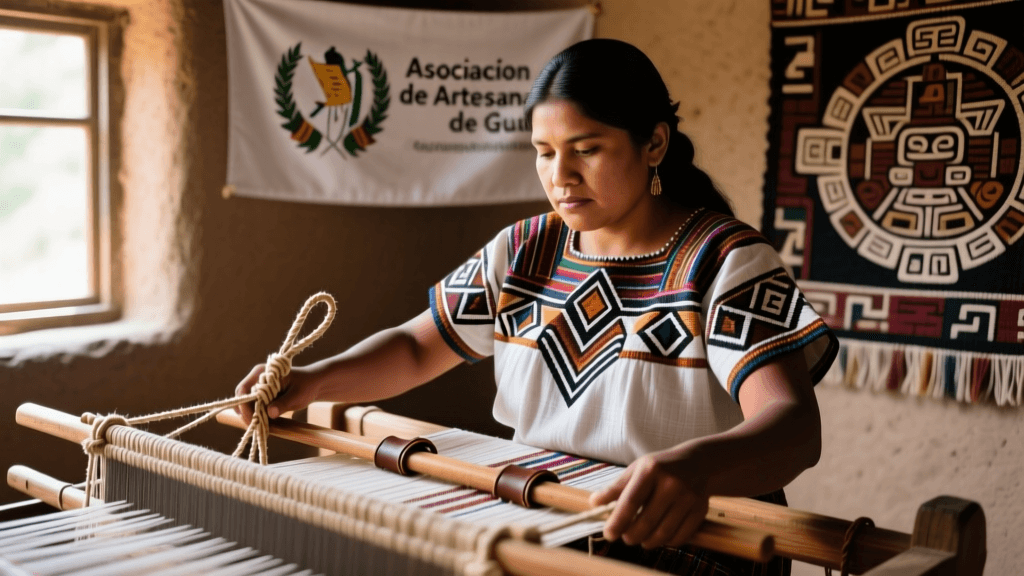
Authentic Andean textiles are predominantly woven on a backstrap loom (telar de cintura). This ancient, highly portable device consists of two wooden sticks, with one end tied to a post or tree and the other strapped around the weaver’s lower back. The weaver uses their own body weight to control the tension of the warp threads. This intimate, physical connection to the loom allows for the creation of incredibly tight, dense, and durable textiles that industrial machines cannot replicate.
Furthermore, traditional cooperatives in 2026 continue to prioritize natural dyeing methods, a painstaking process that connects the garment directly to the Andean ecosystem. Master dyers utilize:
- Cochineal (Dactylopius coccus): A parasitic insect found on prickly pear cacti, crushed to produce vibrant crimsons, deep purples, and soft pinks depending on the mineral mordant used.
- Indigo and Chilca Leaves: Used in combination to achieve rich, colorfast greens and deep blues.
- Q'olle Flowers and Tayanka Bark: Harvested at specific altitudes to yield brilliant yellows and earthy golds.
Understanding Alpaca Fiber Grades in 2026
One of the most common misconceptions among buyers is the term 'Baby Alpaca.' This designation does not refer to the age of the animal; rather, it is an industry classification based on the micron diameter of the fleece, typically harvested from the softest underbelly of the alpaca or from the animal's very first shearing. Understanding these grades is critical for assessing quality and pricing in the current market.
| Fiber Grade | Micron Count | Characteristics & Best Uses |
|---|---|---|
| Royal Alpaca | Under 19 microns | Exceptionally soft, rare, and luxurious. Comparable to cashmere. Used for high-end, lightweight garments and delicate shawls. |
| Baby Alpaca | 20 to 22.5 microns | The premier standard for luxury knitwear. Incredibly soft, hypoallergenic, and warm. Ideal for premium ponchos, sweaters, and scarves. |
| Superfine Alpaca | 23 to 25.9 microns | Soft but with slightly more structure and durability. Excellent for heavy-duty winter garments, blankets, and structured ponchos. |
| Huarizo / Adult | Over 26 microns | Coarser and more robust. Often blended with sheep's wool for heavy rugs, tapestries, or outer layers that require wind resistance. |
Key Traditional Garments to Look For
The Chullo
The chullo is the iconic Andean earflap hat, knit or woven with intricate iconography. The motifs around the brim often indicate the wearer's home village, social status, and marital availability. An authentic, hand-knit baby alpaca chullo features a dense, water-resistant stitch and earflaps finished with hand-braided ties (trenzas) that can take an artisan several days to complete.
The Lliclla and Aguayo
The lliclla is a rectangular shoulder cloth worn by women, folded and secured at the chest with a large, often ornate metal or bone pin known as a tupu or pithu. It serves as a shawl, a baby carrier, and a practical bundle for transporting goods. The aguayo is a similar, slightly larger multi-purpose cloth featuring wide, vibrant bands of pallay separated by solid color fields.
The Poncho
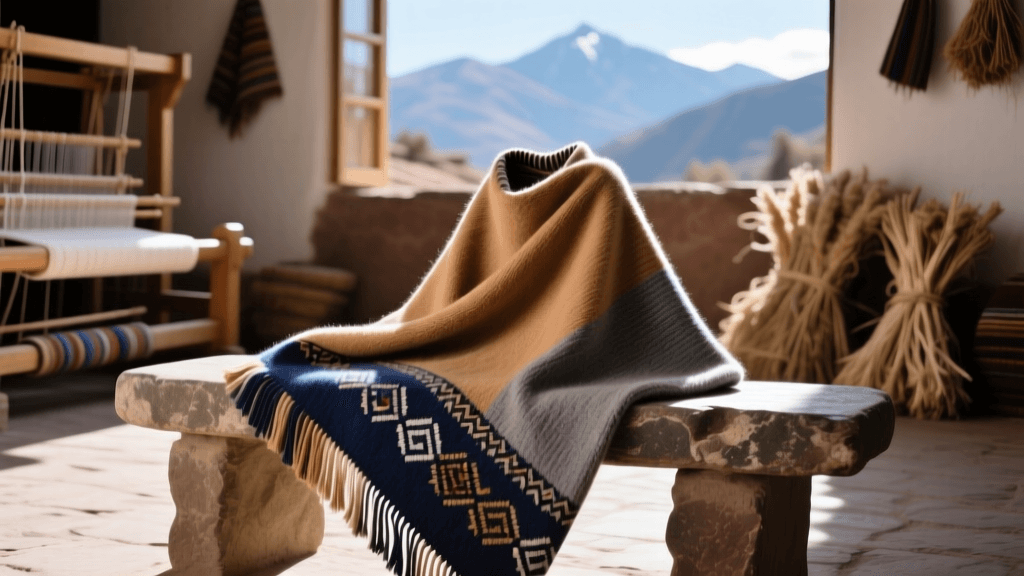
Traditionally worn by men, the Andean poncho is constructed from two large, handwoven panels joined at the center with a meticulously embroidered seam, leaving an opening for the head. Regional variations are stark: the deep red and black ponchos of Chinchero contrast sharply with the earthy, natural-toned ponchos of the Lares Valley.
2026 Ethical Sourcing and Pricing Guide
As of 2026, inflation and the rising cost of natural dyes have shifted the pricing landscape for authentic Andean textiles. Mass-produced, acrylic-blend 'alpaca' goods continue to dominate the street markets of Cusco's San Pedro and Lima's Miraflores, but educated buyers are increasingly bypassing middlemen to purchase directly from artisan cooperatives. Below is a realistic pricing guide for authentic, ethically sourced garments in 2026.
| Garment Type | Material & Technique | Estimated Fair-Trade Price (USD) |
|---|---|---|
| Chullo (Earflap Hat) | 100% Baby Alpaca, Hand-Knit | $45 - $85 |
| Lliclla (Shoulder Cloth) | Sheep/Alpaca Blend, Backstrap Loom, Natural Dyes | $150 - $350 |
| Standard Poncho | Superfine Alpaca, Handwoven, Natural Dyes | $250 - $450 |
| Ceremonial Textile | Royal Alpaca/Vicuña Blend, Complex Pallay | $600 - $1,200+ |
Note: If you are offered a 'handwoven baby alpaca poncho' for $30 USD in a tourist plaza, it is almost certainly an industrial acrylic blend imported from overseas. Authentic handwoven textiles require weeks or months of labor.
How to Spot Synthetic Blends
The proliferation of synthetic fakes is a major threat to Indigenous livelihoods. Use these actionable tests when shopping in local markets:
- The Touch Test: Authentic alpaca feels cool to the touch initially and has a distinct, smooth weight. Acrylic blends often feel overly warm, plasticky, or unnaturally 'squeaky' when rubbed between the fingers.
- The Burn Test: If the vendor allows, pull a single fiber from an inconspicuous seam and light it. Real alpaca (a protein fiber) will burn slowly, smell like burning human hair, and crush into a fine, powdery ash. Synthetic acrylic will melt rapidly, smell like harsh chemicals, and form a hard, black plastic bead.
- The Reverse Side Check: Examine the inside of a woven textile. Backstrap loom weavings often show slight, beautiful irregularities and a distinct 'wrong side' where the floating threads of the pallay are visible. Industrial jacquard looms produce perfectly uniform fabrics with identical patterns on both sides or a messy, machine-cut fringe.
Supporting Indigenous Artisan Cooperatives
To ensure your purchase directly benefits the weavers and preserves traditional ecological knowledge, seek out established cooperatives and NGOs. Organizations like the Center for Traditional Textiles of Cusco (CTTC) have been instrumental in reviving near-extinct natural dyeing techniques and ensuring that master weavers receive fair, living wages for their extraordinary craftsmanship. The CTTC operates weaving centers in villages like Chinchero and Pitumarca, where visitors can observe the entire process from shearing to final weave.
Similarly, NGOs such as Awamaki work directly with women's cooperatives in the Sacred Valley and Lake Titicaca region, providing business training, connecting artisans to global ethical fashion markets, and funding community development projects. By purchasing through these vetted channels in 2026, you are not merely buying a garment; you are investing in the cultural sovereignty and economic independence of Andean communities.
'A textile is a book you can read if you know the language of the threads. When we weave, we are writing the history of our mountains, our families, and our survival.' — Nilda Callañaupa Alvarez, Founder of the CTTC.
Conclusion
Sourcing authentic Latin American traditional garments requires patience, education, and a commitment to ethical consumerism. The textile arts of the Andes represent a profound intersection of utility, spirituality, and environmental harmony. By understanding the nuances of alpaca fiber grades, recognizing the hallmarks of the backstrap loom, and choosing to support Indigenous-led cooperatives, you can build a collection of Andean garments that are not only breathtakingly beautiful but deeply meaningful. As you explore the markets of Cusco or La Paz in 2026, look beyond the price tag, and seek out the stories woven into every vibrant thread.