2026 LDS Garment Styles: Materials, Fit & Modern Updates
Introduction to Modern Temple Garments in 2026
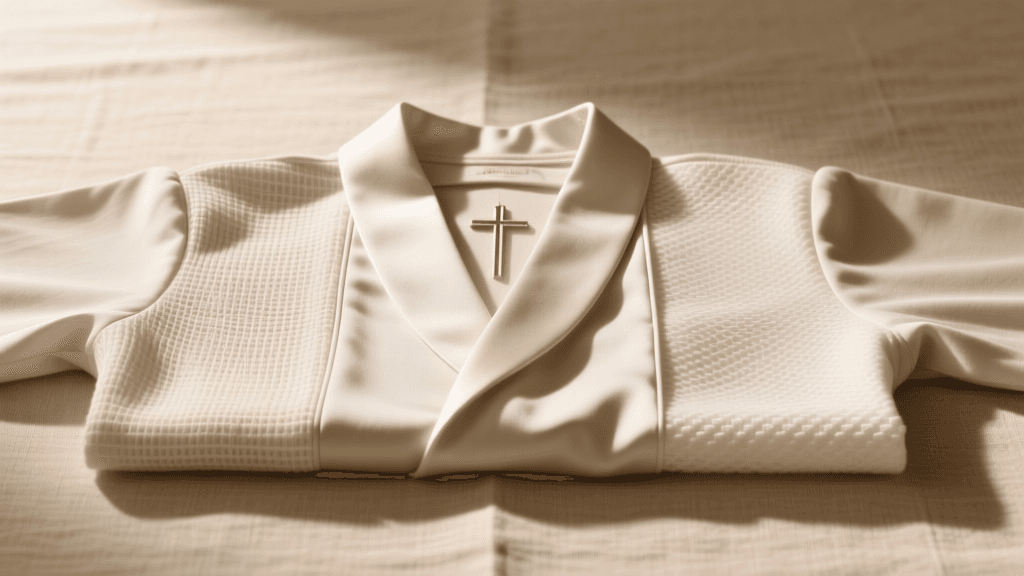
For adult members of The Church of Jesus Christ of Latter-day Saints who have participated in temple ordinances, wearing the temple garment is a sacred, lifelong commitment. As we navigate through 2026, the intersection of faith, daily life, and modern textile technology has never been more apparent. The Church’s distribution centers have continually refined their offerings to ensure that these sacred items provide both spiritual significance and practical comfort in a wide variety of global climates and lifestyles.
In recent years, and culminating in the comprehensive 2026 distribution catalog, the Church has introduced significant updates to garment materials, tailoring, and fit options. These modern updates reflect a deep understanding of the diverse needs of a global membership. Whether you are living in a humid tropical climate, engaging in high-intensity athletics, or simply seeking a more comfortable fit under contemporary professional attire, the current lineup of LDS garment styles offers unprecedented versatility.
This comprehensive guide will explore the latest material innovations, compare the available fabric blends, break down the specific style options for both men and women, and provide actionable advice on sizing, purchasing, and proper care for your garments in 2026.
The Sacred Context and Historical Evolution
Before diving into the technical specifications of modern fabrics, it is essential to ground our understanding in the purpose of the garment. According to the Church of Jesus Christ Gospel Topics, the garment serves as a personal and private reminder of the covenants made in the temple. It is a symbol of devotion and a source of spiritual protection in daily life.
Historically, as documented in the Encyclopedia of Mormonism, the design and materials of these sacred items have evolved significantly since the mid-19th century. Early iterations were often made from heavy, unyielding woven cotton or wool, extending to the wrists and ankles. Over the decades, the Church has adapted the outer boundaries and fabrics to align with modest contemporary clothing standards while strictly preserving the sacred marks and the core coverage requirements. The 2026 updates represent the latest step in this ongoing evolution, prioritizing breathable, durable, and skin-friendly textiles without compromising the garment's sacred integrity.
2026 Fabric Options: A Detailed Comparison
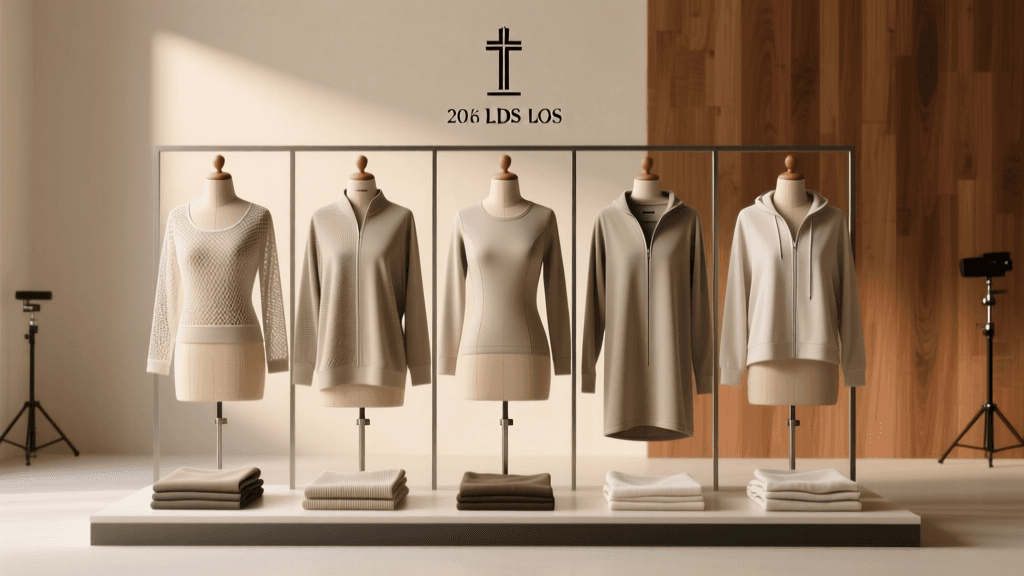
The most notable updates in the 2026 catalog revolve around textile engineering. The Church now offers a highly curated selection of fabric blends designed to address specific environmental and lifestyle challenges. Below is a detailed comparison of the primary materials currently available through official distribution channels.
| Material Blend | Best Climate / Use Case | Stretch & Fit Profile | 2026 Care Requirements |
|---|---|---|---|
| 100% Cotton Knit | Temperate climates; sensitive skin | Low stretch; traditional, relaxed fit | Machine wash warm; tumble dry low |
| Cotton/Polyester Blend | Everyday wear; high durability needs | Moderate stretch; wrinkle-resistant | Machine wash warm; highly durable |
| Stretch Cotton (Spandex Blend) | Active lifestyles; tailored clothing | High stretch; form-fitting, moves with body | Wash cold; hang dry to preserve elasticity |
| Cooling Mesh / Moisture-Wicking | Tropical heat; intense athletics | High stretch; ultra-lightweight with mesh panels | Machine wash cold; air dry recommended |
The introduction of the Cooling Mesh and advanced Stretch Cotton options has been particularly well-received by members in equatorial regions and those with highly active routines. The moisture-wicking properties of the 2026 synthetic blends actively pull sweat away from the skin, preventing the chafing and discomfort that was common with older, heavier cotton models.
Women’s Garment Styles: Recent Updates & Fit
Women’s garment styles have seen the most dramatic diversification over the last few years, allowing for greater compatibility with modern women's fashion while maintaining strict modesty standards. As of 2026, women can choose from several neckline and sleeve variations, ensuring that the garment remains hidden beneath a wide array of outer clothing.
Neckline Options
- Rounded Neckline: The traditional, higher cut that sits near the base of the neck. Ideal for high-collared shirts and conservative professional wear.
- Scoop Neck: A wider, slightly lower cut that accommodates open-collared blouses and casual dresses without the garment peeking through.
- V-Neck: Designed specifically for lower-cut tops and dresses, offering maximum versatility for contemporary women's fashion.
Sleeve and Hem Variations
Sleeve lengths currently include the traditional short sleeve, as well as the increasingly popular cap sleeve, which provides the necessary shoulder coverage while remaining invisible under sleeveless or tight-fitting tops. Hemlines have also been optimized; while the standard mid-thigh length remains the default, the 2026 catalog offers slightly varied inseam and torso lengths to accommodate different body types, ensuring the garment stays tucked or lays flat without riding up throughout the day.
Men’s Garment Styles: Comfort and Durability
While men’s styles have historically been more uniform, the 2026 updates focus heavily on ergonomic tailoring and climate-specific comfort. Men can currently choose between the traditional crew neck and the V-neck options. The V-neck has become increasingly popular for men who wear unbuttoned dress shirts or casual V-neck sweaters, ensuring the sacred marks remain covered without the garment collar showing.
One of the most practical updates for men in 2026 is the availability of extended torso lengths. For men who prefer to wear their shirts untucked in casual or professional settings, the longer hem prevents the garment from becoming exposed when reaching or bending. Additionally, the integration of reinforced stitching at the stress points (such as the underarm and side seams) has vastly improved the lifespan of the Cotton/Polyester blends, making them a cost-effective choice for everyday wear.
Sizing, Purchasing, and Global Distribution in 2026
Purchasing temple garments is a straightforward process, though it requires an active temple recommend to access the restricted sections of the official Church distribution store. In 2026, the online portal has been upgraded with an advanced sizing algorithm that helps members find their perfect fit based on a few simple measurements.
How to Measure for the Perfect Fit
- Chest/Bust: Measure around the fullest part of your chest/bust, keeping the measuring tape level and snug but not tight.
- Waist: Measure around your natural waistline, typically just above the belly button.
- Hips (Women): Measure around the fullest part of the hips to ensure the hemline will drape correctly.
For members living in areas without a local distribution center, the Church’s global shipping network in 2026 has significantly reduced delivery times. Furthermore, the Church has transitioned to 100% biodegradable and eco-friendly packaging for all garment shipments, aligning with broader environmental stewardship initiatives.
Proper Care, Maintenance, and Respectful Disposal
To maximize the lifespan of your garments, especially the newer stretch and cooling blends, it is vital to follow the specific care instructions on the 2026 tags. Avoid using fabric softeners on moisture-wicking materials, as they can clog the micro-fibers and reduce breathability. Wash dark-colored outer clothing separately to prevent dye transfer, and always use a gentle cycle for the stretch cotton blends to prevent the spandex fibers from degrading prematurely.
The Disposal Process
When a garment becomes too worn, stretched out, or damaged to be worn respectfully, it must be disposed of properly. The standard protocol remains unchanged in 2026: members are instructed to carefully cut out the sacred marks (the compass and the square). These specific pieces must be completely destroyed—typically by burning, shredding, or using a heavy-duty garbage disposal—so they cannot be recognized or misused. The remaining fabric, once the marks have been removed and destroyed, can be respectfully discarded in the regular trash or repurposed as cleaning rags. This process ensures that the sacred nature of the covenants represented by the marks is always protected.
Conclusion
The 2026 updates to LDS temple garment styles and materials represent a thoughtful balance between sacred tradition and modern textile innovation. By offering a diverse range of fabrics—from breathable cooling meshes to form-fitting stretch cottons—and expanding the stylistic options for both men and women, the Church ensures that members can honor their covenants comfortably in any environment. Whether you are purchasing your first set of garments or updating your wardrobe with the latest distribution catalog offerings, understanding these materials and fits will help you integrate this sacred practice seamlessly into your daily life.