LDS Garment Styles and Materials: 2026 Modern Updates
The Evolution of LDS Temple Garments in 2026
For members of The Church of Jesus Christ of Latter-day Saints, the temple garment represents a sacred covenant and a deeply personal reminder of commitments made within the temple. Over the decades, the physical construction of these garments has evolved significantly to meet the practical needs of a global, active membership. As we navigate 2026, the intersection of reverence, modesty, and modern textile technology has resulted in an unprecedented variety of LDS garment styles, materials, and fits. This comprehensive guide explores the current landscape of Mormon temple garments, detailing the fabric innovations, style expansions, and purchasing considerations that define the 2026 catalog.
Theological Context and Design Constraints
Before examining the textiles, it is vital to understand the doctrinal constraints that govern garment design. The garment features specific, sacred markings that must remain intact and correctly positioned regardless of the fabric's stretch, drape, or shrinkage. Historically, this requirement necessitated the use of rigid, heavy cottons that could hold their shape but often lacked breathability. Today, advanced textile engineering allows for high-stretch materials that reliably return to their original shape, ensuring the sacred markings are never distorted during physical activity or washing. According to historical records of temple clothing, the transition from the original one-piece union suit to the modern two-piece garment was a pivotal moment in adapting sacred vestments to contemporary life. This philosophy of practical adaptation continues to drive the design updates seen in 2026, ensuring that members can honor their covenants comfortably in any climate or lifestyle scenario.
Core Materials: From Traditional Cotton to Performance Blends
The 2026 garment catalog offers a diverse range of fabrics, each engineered to solve specific environmental and lifestyle challenges. The Church's distribution centers and authorized manufacturers have heavily invested in sustainable, high-performance textiles that maintain modesty standards while offering superior comfort.
100% Cotton and Swiss Cotton
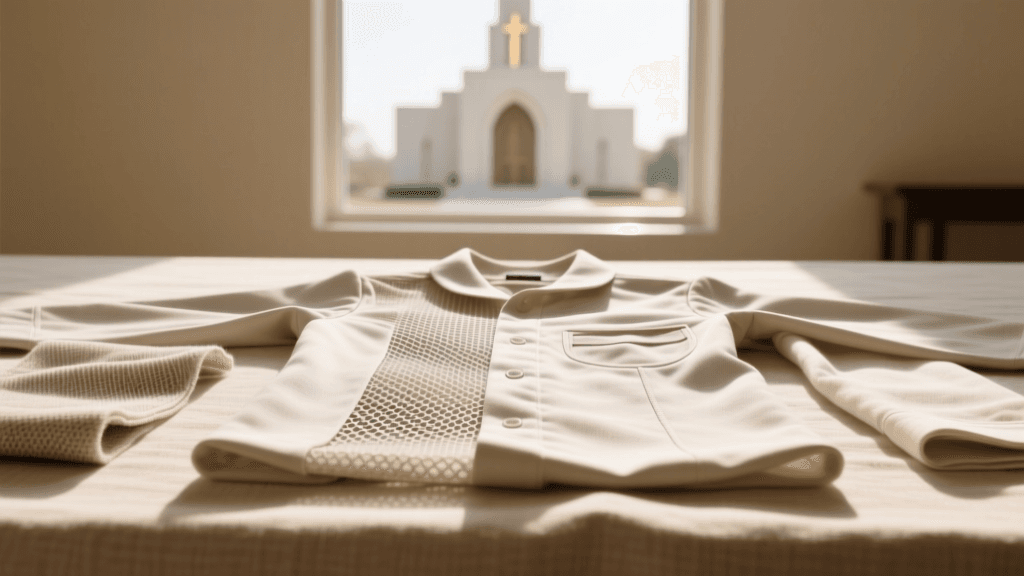
Traditional 100% cotton remains a staple for members who prefer natural fibers and live in temperate climates. Swiss cotton, a premium variation available in the 2026 lineup, offers a finer weave that is exceptionally soft against the skin while maintaining the structural integrity required for the garment's markings. However, pure cotton lacks elasticity and can retain moisture, making it less ideal for high-intensity activities.
Cotton-Modal and Micro-Modal Blends
Modal, a semi-synthetic fabric made from beech tree pulp, has revolutionized the garment experience. The 2026 cotton-modal blends offer a silky, luxurious feel with excellent moisture-wicking properties and natural resistance to shrinking. Modal garments drape beautifully under professional and formal wear, making them the top choice for office environments and Sunday church services.
Stretch Mesh and Athletic Performance Fabrics
For members living in tropical climates, working in physically demanding jobs, or participating in competitive sports, stretch mesh and athletic performance fabrics are indispensable. These synthetic blends (typically nylon and spandex) provide maximum breathability, rapid sweat evaporation, and four-way stretch. The 2026 athletic line features anti-microbial treatments to prevent odor buildup during long days of wear.
2026 Material Comparison Chart
| Material Type | Composition | Breathability | Durability | Best Use Case |
|---|---|---|---|---|
| Traditional Cotton | 100% Cotton | Moderate | High | Everyday wear, temperate climates |
| Swiss Cotton | 100% Fine Cotton | High | High | Sensitive skin, formal wear |
| Cotton-Modal | Cotton / Modal Blend | High | Very High | Office wear, travel, all-day comfort |
| Stretch Mesh | Nylon / Spandex | Very High | Moderate | Humid climates, summer, layering |
| Athletic Performance | Polyester / Spandex | Maximum | Very High | Sports, manual labor, extreme heat |
Modern Style Updates for Women and Men
The most significant cultural shift in recent years has been the expansion of style options, particularly for women, to accommodate modern fashion silhouettes while preserving modesty. As noted in recent faith and cultural reporting, member feedback has been instrumental in shaping a catalog that respects both doctrinal requirements and contemporary wardrobes.
Women's Expanded Options
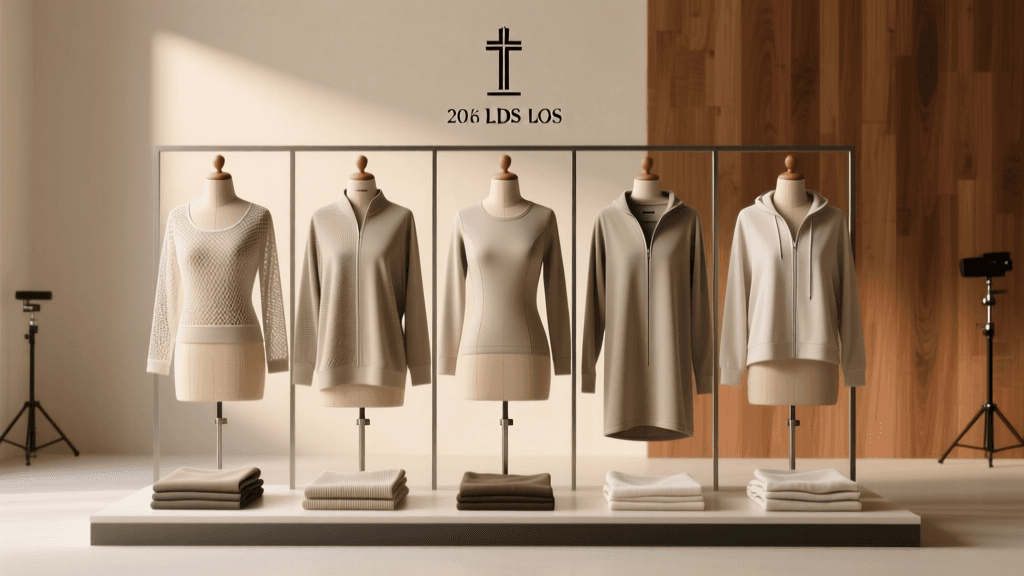
In 2026, women have access to a highly customized array of tops and bottoms. The standard T-shirt has been joined by the camisole style, which features wider straps and a lower neckline designed to remain hidden under modern blouses and dresses. For athletic wear, the women's athletic mesh T-shirt provides a tailored fit that prevents bunching during movement. Bottoms range from the traditional brief to the popular boy-short and capri lengths, ensuring that women can wear everything from professional slacks to summer skirts without the garment lines showing or the hems riding up.
Men's Standard and Athletic Options
Men's options have also been refined for better ergonomics. The 2026 catalog features updated crew neck and V-neck T-shirts with reinforced collars that resist warping. The men's boxer brief is the most popular bottom style, engineered with a supportive pouch and anti-ride-up leg bands. For athletes, the men's performance mesh line offers a compression-like fit that supports muscles during intense physical activity without compromising the sacred markings.
Maternity, Nursing, and Adaptive Garments
A major triumph of the 2026 catalog is the robust selection of maternity and adaptive garments. Maternity tops feature discreet, overlapping nursing panels that allow for breastfeeding without requiring the member to remove or significantly alter the sacred vestment. Maternity bottoms utilize ultra-stretch abdominal panels that grow with the wearer throughout pregnancy. Furthermore, adaptive garments featuring velcro closures and modified seams are now readily available for members with limited mobility or physical disabilities, ensuring that the covenant is accessible to all.
Sizing, Fit, and Purchasing in 2026
Acquiring garments in 2026 is a streamlined process, primarily facilitated through the official Church distribution channels. Members can purchase garments online via the official store or visit local distribution centers located near temples and major chapels worldwide.
How to Measure for the Perfect Fit
Proper fit is essential for both comfort and the correct placement of the garment markings. The 2026 sizing guide recommends the following measurement protocols:
- Chest/Bust: Measure around the fullest part of the chest, keeping the tape measure level and snug but not tight.
- Waist: Measure around the natural waistline, typically just above the belly button.
- Hips: Measure around the fullest part of the hips and buttocks to ensure the bottom hem does not bind.
- Torso Length (for one-piece or specific tops): Measure from the base of the neck to the natural waist to determine if a 'tall' or 'regular' size is required.
For members whose measurements fall between sizes, the Church recommends sizing up for cotton fabrics (to account for slight shrinkage) and sizing down for stretch mesh and modal blends (which are designed for a snug, supportive fit).
Integrating Garments with Modern Modest Fashion
The evolution of garment styles has directly influenced the broader modest fashion market in the Americas. In 2026, many third-party clothing brands design their apparel specifically to complement the current LDS garment necklines and sleeve lengths. Women's blouse designers are increasingly offering higher jewel necklines and cap sleeves that perfectly conceal the camisole and T-shirt garment styles without requiring additional, uncomfortable layering. This synergy between sacred vestments and secular fashion allows members to participate fully in professional and social environments while maintaining their religious standards.
Fabric Care and Longevity
To protect the investment in high-quality 2026 garments and preserve the integrity of the sacred markings, proper laundering is essential. Care routines vary significantly by material:
- Cotton and Swiss Cotton: Wash in warm water with like colors. Tumble dry on low heat. Remove promptly from the dryer to minimize wrinkling. Avoid bleach, which degrades the fibers and fades the markings.
- Modal Blends: Wash in cold water to preserve the silky texture. Modal is highly resistant to shrinkage, so air drying or tumble drying on a delicate setting is recommended.
- Stretch Mesh and Athletic Fabrics: Wash in cold water with a mild detergent. Never use fabric softener on athletic or mesh garments, as the softener coats the synthetic fibers, trapping odors and destroying the moisture-wicking capabilities. Always air dry to prevent heat damage to the spandex.
Conclusion
The 2026 LDS garment catalog represents a masterful balance between ancient covenants and modern innovation. By embracing advanced textiles like modal and performance mesh, expanding inclusive sizing, and offering diverse styles for men, women, and adaptive needs, the Church ensures that members can wear their sacred reminders with comfort and dignity in every aspect of contemporary life. Understanding these materials and styles empowers members to make informed choices that best suit their personal lifestyles, climates, and spiritual journeys.