Sourcing Authentic Oaxacan Cochineal Textiles in 2026: Buyer's Guide
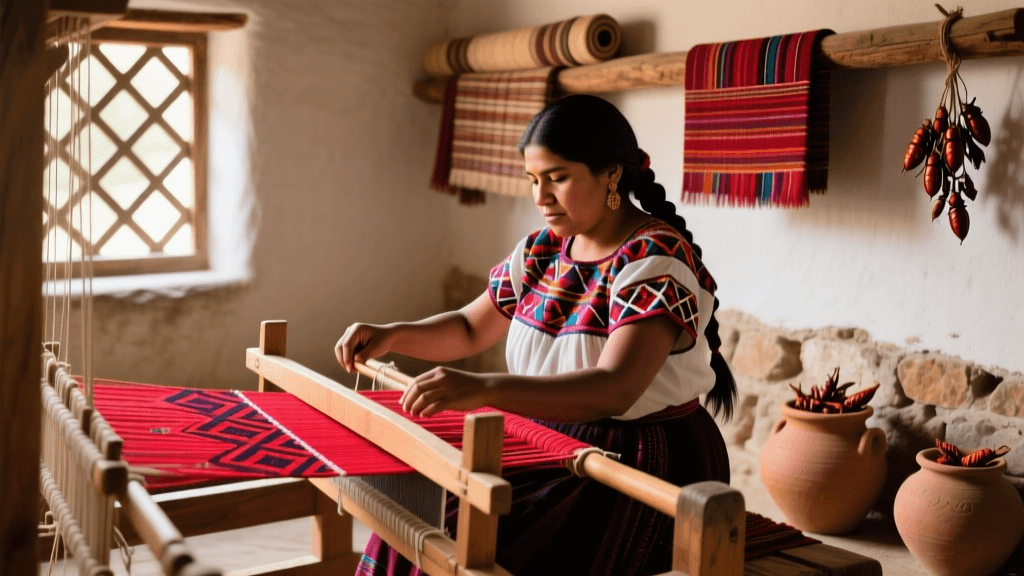
The Renaissance of Oaxacan Backstrap Weaving in 2026
The landscape of sustainable fashion and interior design in 2026 has placed an unprecedented spotlight on ancestral Latin American textile arts. Among the most coveted and culturally significant are the traditional garments and woven textiles of Oaxaca, Mexico. Specifically, Zapotec backstrap loom weaving, utilizing natural dyes like cochineal (grana cochinilla) and indigo (añil), has transitioned from local artisan markets to the forefront of global luxury and ethical fashion. For collectors, boutique owners, and textile enthusiasts, understanding how to ethically source, evaluate, and care for these pieces in 2026 is essential. This guide provides a comprehensive look at the mechanics, chemistry, and modern market dynamics of Oaxacan textiles.
Understanding the Telar de Cintura (Backstrap Loom)
The backstrap loom, or telar de cintura, is a pre-Columbian technology that remains largely unchanged in its fundamental mechanics. The weaver sits on the ground, with one end of the loom attached to a sturdy post or tree, and the other end secured around their lower back via a belt or strap. The weaver's body weight provides the tension for the warp threads. This deeply physical connection between the artisan and the textile means that the weaver literally breathes life into the fabric, adjusting tension with every movement.
Because the loom is anchored to the human body, the width of the fabric is strictly limited by the weaver's reach and physical endurance. Standard widths for backstrap-woven lienzos (panels) typically range between 18 and 24 inches (45 to 60 centimeters). To create wider garments, such as a traditional huipil, a rebozo, or a modern wrap dress, multiple panels must be woven separately and then joined together. In 2026, master weavers in villages like Teotitlán del Valle, San Bartolo Yautepec, and Santo Tomás Jalieza are charging a significant premium for single-panel, extra-wide weaves that require specialized loom setups, custom wooden swords, and immense physical stamina to maintain even tension.
Standard Measurements and Lead Times
- Table Runners and Scarves: Typically 12 to 18 inches wide by 72 inches long. Lead time: 2 to 3 weeks.
- Rebozos (Shawls): Usually 24 to 30 inches wide by 80 inches long, often requiring two panels sewn with a randa (embroidered seam). Lead time: 4 to 6 weeks.
- Huipiles (Tunics): Composed of two to three wide panels, heavily brocaded. Lead time: 2 to 4 months depending on the complexity of the supplementary weft patterns.
The Chemistry and Sourcing of Cochineal and Indigo
The vibrant colors of authentic Oaxacan textiles are derived from the region's rich biodiversity. Cochineal is derived from the Dactylopius coccus insect, which lives parasitically on Opuntia (prickly pear) cacti. The female insects are harvested, dried, and ground into a fine powder to extract carminic acid. This yields brilliant reds, purples, and oranges depending on the mordant and modifier used. For instance, adding alum yields a bright crimson, iron shifts the color to a deep plum or dark purple, and an acidic modifier like lime juice turns it a vibrant orange. Indigo, derived from the Indigofera suffruticosa plant, provides deep, colorfast blues through a complex vat fermentation process.
The revival and scaling of these natural dyes in 2026 is heavily supported by agricultural and cultural initiatives. According to the Food and Agriculture Organization (FAO), the cultivation of cochineal remains a vital non-wood forest product that supports rural economies, promotes cactus cultivation (which prevents soil erosion), and maintains ecological balance. Furthermore, the UNESCO World Heritage designation of Oaxaca underscores the region's profound historical and cultural significance, which is intrinsically tied to its living textile traditions and ancestral dyeing methods.
Identifying Authenticity: Synthetic vs. Natural Dyes
As demand for natural dyes has surged in 2026, so has the prevalence of 'semi-natural' or synthetic imitations in tourist markets. Synthetic azo dyes are often used to mimic the look of cochineal but lack the depth, complexity, and slight color variation (heathering) of hand-dyed yarns. To identify genuine cochineal, look for microscopic variations in pigment absorption along the yarn. A reliable field test involves applying a single drop of diluted lemon juice or white vinegar to an inconspicuous area of the red textile. Genuine cochineal is highly pH-sensitive and will immediately shift toward a fiery orange, while synthetic reds will remain largely unchanged. As noted by Encyclopedia Britannica, the historical trajectory of cochineal from a pre-Columbian tribute item to a highly regulated global commodity highlights the enduring value and unique chemical properties of this indigenous technology.
2026 Sourcing Guide: Cooperatives vs. Commercial Markets
For buyers looking to source authentic textiles in 2026, the market is generally divided into three tiers: direct artisan cooperatives, boutique galleries in Oaxaca City, and international ethical importers. Buying directly from women-led weaving cooperatives ensures the highest percentage of profit reaches the artisans and guarantees transparency regarding the dyes used. However, this route requires navigating rural logistics, communicating in Spanish or Zapotec, and accommodating longer, less predictable lead times. Boutique galleries offer curated selections and immediate availability but apply a markup of 100% to 300% to cover overhead, curation, and retail space in prime Oaxaca City neighborhoods like Porfirio Díaz.
| Sourcing Channel | Price Premium (vs. Base) | Typical Lead Time | Minimum Order | Authenticity Verification |
|---|---|---|---|---|
| Direct Village Cooperatives | Base Price (Fair Trade) | 4 - 12 Weeks | 1 - 5 Pieces | Direct observation of dye vats and looms |
| Oaxaca City Boutiques | +150% to +300% | Immediate (In-Stock) | 1 Piece | Gallery certificates and artisan provenance tags |
| Intl. Fair-Trade Importers | +200% to +400% | Immediate to 2 Weeks | Wholesale MOQs apply | Third-party GOTS or Fair Trade certifications |
Garment Care and pH Sensitivity
Owning a naturally dyed textile requires a paradigm shift in garment care. Because cochineal is an anthraquinone-based pigment, it is exceptionally sensitive to pH fluctuations and ultraviolet light. Standard commercial laundry detergents are highly alkaline; washing a cochineal-dyed garment in these products will strip the vibrant red, turning it a dull, muddy gray or brown. Similarly, exposure to baking soda or harsh stain removers will permanently alter the color profile.
In 2026, the standard of care for Latin American natural-dye textiles involves using pH-neutral, plant-based textile washes specifically formulated for protein and cellulose fibers. Garments should be hand-washed in cold water (below 70°F or 21°C) and never wrung or twisted, as this can break the delicate cotton or silk warp threads. Drying must be done flat in the shade; direct sunlight will cause rapid UV degradation of the natural pigments, leading to premature fading. For indigo-dyed pieces, it is normal to experience some 'crocking' (color transfer) during the first few wears, so they should be kept away from light-colored upholstery and leather accessories.
'When you wear a garment dyed with cochineal and woven on a backstrap loom, you are not just wearing fabric. You are wearing the soil of Oaxaca, the patience of the weaver, and a chemical legacy that predates European contact by centuries.' — Master Weaver Proverb, Teotitlán del Valle.
Conclusion
Sourcing authentic Oaxacan backstrap textiles in 2026 is an exercise in cultural appreciation, sustainable consumption, and ethical commerce. By understanding the physical limitations of the telar de cintura, the chemical brilliance of grana cochinilla, and the proper channels for fair-trade purchasing, buyers can support the continuation of these vital indigenous traditions. Whether you are acquiring a single, intricately brocaded huipil for a private collection or sourcing a run of naturally dyed table linens for a boutique, prioritizing transparency and artisan-direct relationships ensures that the legacy of Latin American textile arts continues to thrive in the modern era.