LDS Garment Styles & Materials: 2026 Modern Updates Guide
The Sacred Context and Evolution of Temple Garments
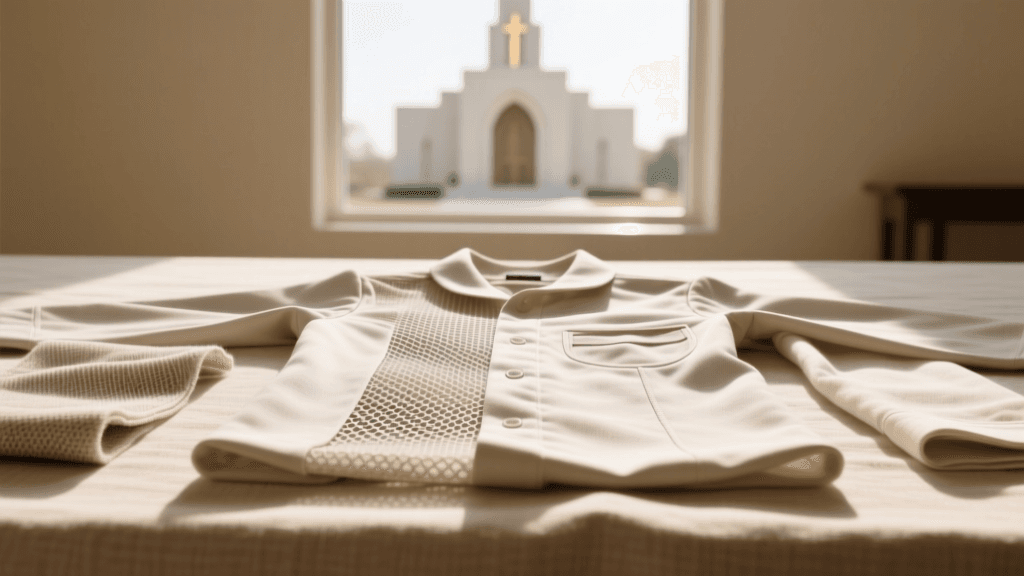
For members of The Church of Jesus Christ of Latter-day Saints, temple garments hold profound spiritual significance. Worn beneath outer clothing, they serve as a deeply personal, physical reminder of the sacred covenants made within the temple. While the spiritual purpose of the garment remains eternally unchanged, the physical construction, materials, and styles have evolved significantly since their introduction in the 19th century. As of 2026, the Church offers an unprecedented variety of styles, fabrics, and fits designed to accommodate the diverse climates, lifestyles, and modesty needs of a global membership, particularly across the diverse landscapes of the Americas.
Historically, early temple garments resembled the one-piece union suits common in the 1800s. Over the decades, they transitioned into the two-piece tops and bottoms familiar today. The modern era of garment design prioritizes both reverence and practical comfort. In 2026, advancements in textile manufacturing and a deeper understanding of ergonomic design have resulted in a lineup of garments that cater to everyone from athletes and expectant mothers to those living in the tropical climates of Central and South America.
2026 Material Innovations: Comfort Meets Reverence
The choice of fabric is perhaps the most critical factor for daily comfort. The Church's distribution centers currently offer several distinct material blends, each engineered for specific environments and sensory preferences. Understanding these textiles is essential for members navigating the 2026 catalog.
100% Cotton
The traditional 100% cotton garment remains a staple for those who prefer natural fibers. It is highly breathable, hypoallergenic, and durable. However, pure cotton tends to retain moisture, making it less ideal for heavy perspiration or extremely humid climates. The 2026 cotton weaves have been refined to offer a softer hand-feel right out of the package, reducing the break-in period required in previous years.
Modal (Beechwood Fiber)
Modal has surged in popularity over the last decade and remains a top choice in 2026. Derived from beech tree pulp, this semi-synthetic rayon is exceptionally soft, lightweight, and resistant to shrinking and pilling. Modal garments drape beautifully and feel cool against the skin, making them a favorite for office workers and those who prefer a silk-like texture without the high maintenance.
Nylon and Performance Mesh
For members living in the sweltering heat of the American South, the Caribbean, or Latin America, the nylon and mesh blends are indispensable. The 2026 mesh iterations feature advanced moisture-wicking properties and enhanced micro-ventilation zones. These garments dry rapidly and prevent chafing, making them the undisputed choice for athletes, manual laborers, and anyone spending extended time outdoors in high humidity.
Stretch Cotton and Athletic Blends
Introduced to provide greater mobility, stretch cotton blends incorporate a small percentage of spandex or elastane. This 2026 favorite allows the garment to move seamlessly with the body during yoga, weightlifting, or active parenting, without losing its shape or riding up throughout the day.
Comprehensive Material Comparison Chart
| Material | Best Climate / Use Case | Feel and Drape | 2026 Durability Rating |
|---|---|---|---|
| 100% Cotton | Temperate climates, sensitive skin | Crisp, traditional, breathable | High (withstands hot washing) |
| Modal | Indoor/Office, mild climates | Silky, lightweight, cool | Medium-High (resists pilling) |
| Nylon / Mesh | Tropical, high-humidity, athletics | Ultra-light, airy, wicking | High (retains elasticity) |
| Stretch Cotton | Active lifestyles, fitness | Form-fitting, flexible | Medium (requires gentle care) |
Modern Style Updates and Silhouette Options
Beyond fabrics, the structural design of LDS garments has been heavily updated to align with modern fashion necklines and hemlines, ensuring they remain completely hidden beneath contemporary clothing. The official Church guidelines emphasize that garments should be worn as instructed, but the variety of cuts available in 2026 ensures members do not have to sacrifice personal style or professional attire.
Tops: Necklines and Sleeves
The days of a single, high-crew neckline are long past. Today's distribution centers stock tops in crew, V-neck, and scoop necklines. The V-neck and scoop options are specifically designed to remain invisible under open-collared blouses or wide-neck dresses. Sleeve options have also expanded. While the traditional short sleeve is still widely used, cap sleeves and sleeveless (women's) options are available. The 2026 sleeveless designs feature reinforced armholes that prevent binding and ensure the markings remain appropriately covered while offering maximum ventilation.
Bottoms: Lengths and Fits
Garment bottoms are available in knee-length and mid-thigh styles. The mid-thigh options have become increasingly popular for women wearing modern skirt lengths and dresses, preventing the garment from peeking out beneath hemlines. For men and women engaged in sports, the 2026 athletic bottom line includes shorter, form-fitting styles akin to compression shorts, crafted from the performance mesh fabric to prevent bunching under athletic wear.
Specialized Fits: Maternity and Youth
Recognizing the changing needs of the body, the Church offers specialized maternity garments featuring expandable abdominal panels and stretch-lace waistbands. Furthermore, as youth transition into young adulthood and prepare for missionary service or temple marriage, the 2026 sizing charts have been updated to include more granular measurements, ensuring a tailored, comfortable fit for younger adults experiencing rapid physical changes.
Manufacturing, Sourcing, and the Americas
While the spiritual nature of the garment is universal, its physical production is deeply tied to the global textile industry. A significant portion of the garments distributed across North and South America are manufactured in textile hubs within the Americas, including facilities in the United States, Mexico, and Central America. This regional manufacturing strategy reduces shipping carbon footprints and ensures that distribution centers in Salt Lake City, Mexico City, and São Paulo can maintain robust inventory levels of the latest 2026 styles without facing international supply chain bottlenecks. For scholars of Americas and Indigenous textile traditions, the mass production of these sacred garments represents a fascinating intersection of modern industrial manufacturing and deeply held religious modesty norms.
Purchasing, Pricing, and Distribution in 2026
Acquiring temple garments is restricted to endowed members of the Church, and purchasing is handled exclusively through official Church Distribution centers or the secure online portal. As of 2026, a standard two-piece set (one top, one bottom) typically ranges from $12 to $18 USD, depending on the material. Mesh and specialized stretch blends sit at the higher end of the spectrum due to the cost of synthetic performance fibers, while standard cotton remains the most budget-friendly.
The online ordering system has been optimized for mobile use, allowing members to reorder their preferred sizes and fabrics with a few taps. Local distribution centers, often attached to meetinghouses or temples across the Americas, continue to offer in-person fittings, which is highly recommended for first-time buyers or those transitioning to a new fabric blend like modal or mesh.
Garment Care for Modern Blends
To maximize the lifespan of modern garments, care routines must be adapted to the specific fabric. As outlined in resources like True to the Faith, garments should be treated with respect and care.
- Cotton: Can withstand warm water and tumble drying, though air drying prevents shrinkage.
- Modal: Should be washed in cold water and tumble dried on low heat to preserve the silky fibers and prevent heat damage.
- Mesh/Performance: Requires cold washing and should never be exposed to high heat or fabric softeners, which can clog the moisture-wicking micro-pores.
Conclusion
The 2026 lineup of LDS temple garments reflects a thoughtful balance between sacred tradition and modern textile innovation. By offering a diverse array of materials—from breathable cotton to high-tech performance mesh—and a wide variety of silhouettes, the Church ensures that endowed members across the Americas and the globe can honor their covenants comfortably, regardless of their climate, profession, or lifestyle. As textile technology continues to advance, members can look forward to even greater comfort and adaptability in the years to come, all while maintaining the profound spiritual protection and reminder that the garment represents.