Native American Regalia by Tribe and Region: 2026 Guide
Understanding Indigenous Regalia in 2026
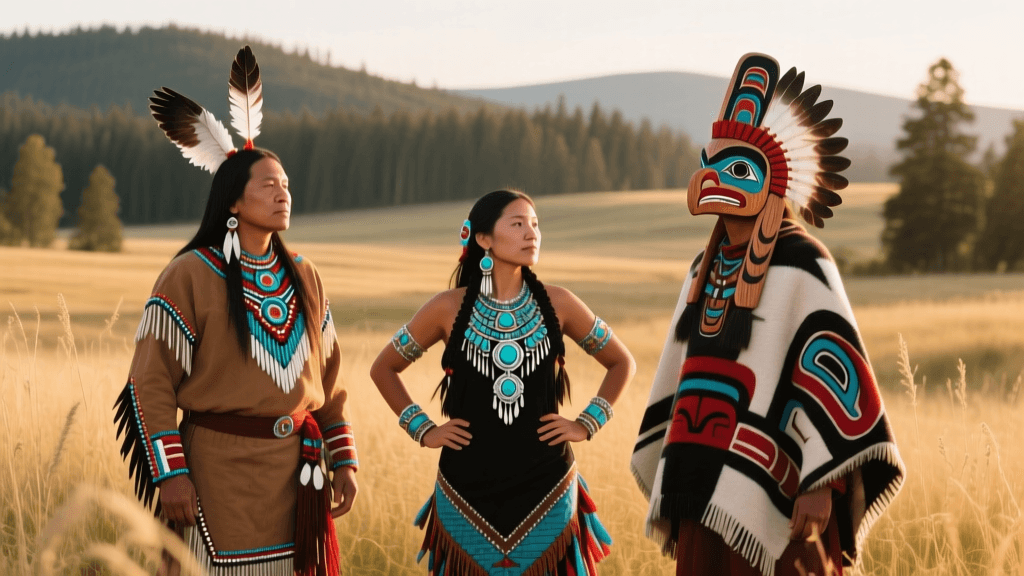
When discussing the traditional garments of Indigenous North American peoples, the term 'costume' is fundamentally incorrect and often offensive. A costume implies a disguise or a theatrical outfit worn for play. In contrast, regalia represents a living, breathing expression of cultural identity, spiritual belief, and ancestral continuity. As we navigate the cultural landscape in 2026, the revitalization of Indigenous textile arts and garment-making has reached an inspiring zenith. Across the continent, Native artisans are merging ancestral techniques with contemporary realities, ensuring that their tribal dress traditions remain vibrant and deeply relevant.
This comprehensive guide explores the distinct dress traditions of three major North American cultural regions: the Great Plains, the Southwest, and the Pacific Northwest. Whether you are a textile collector, a museum curator, or an enthusiast seeking to ethically support Native artisans in 2026, understanding the regional nuances of these garments is essential.
The Great Plains: Beadwork, Fringe, and the Ribbon Skirt
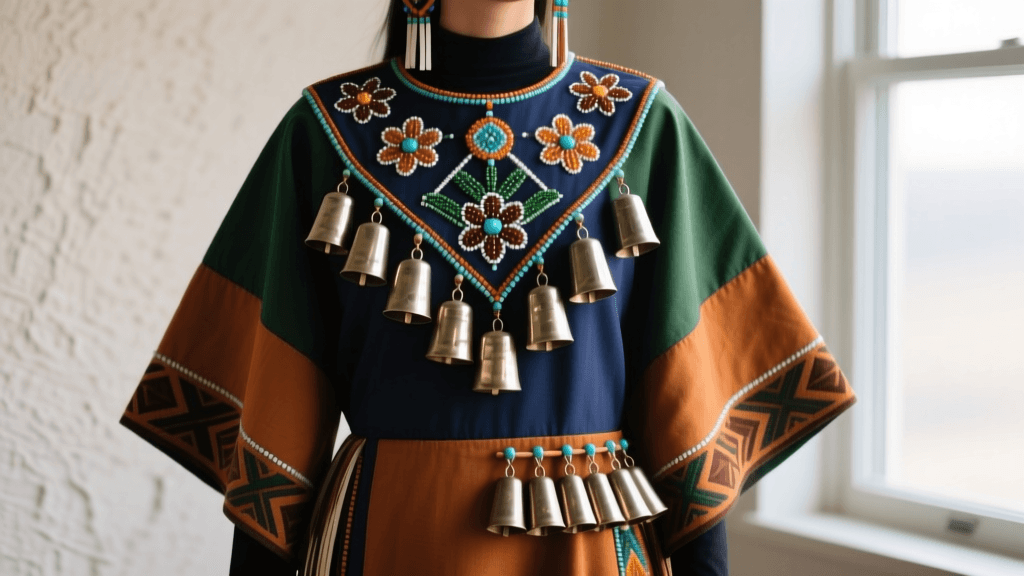
The Great Plains region, home to tribes such as the Lakota, Cheyenne, Crow, and Comanche, is globally recognized for its breathtaking beadwork, quillwork, and the use of animal hides and fringe. Historically, Plains clothing was designed for a nomadic lifestyle, providing warmth and protection while allowing for ease of movement on horseback and during hunts.
The Evolution of Beadwork and Quillwork
Before the introduction of glass seed beads through European trade, Plains artists utilized dyed porcupine quills to decorate hides. Today, in 2026, master quillworkers are experiencing a massive cultural renaissance, with fully quilled moccasins and cradleboards commanding immense respect and premium prices at Indigenous art markets. However, glass beadwork remains the most visible hallmark of Plains regalia. The 'lazy stitch' (or lane stitch) technique, characterized by parallel rows of beads, is iconic to the Lakota and Cheyenne, while the appliqué (or spot stitch) method is frequently seen in floral and geometric patterns across other Plains and Woodland borders.
The Pan-Indigenous Ribbon Skirt
Perhaps the most powerful garment to gain widespread visibility in the 2020s is the ribbon skirt. Originating from the adaptation of European trade ribbons and calico cloth, the ribbon skirt has evolved into a pan-Indigenous symbol of resilience, womanhood, and activism. In 2026, it is common to see ribbon skirts worn not only at powwows but also in corporate boardrooms, political protests, and everyday life. Modern ribbon skirts often feature intricate appliqué work depicting clan symbols, missing and murdered Indigenous women (MMIW) awareness, and environmental protection motifs.
The Southwest: Woven Textiles, Turquoise, and Silver
The Southwest region encompasses the arid, high-desert landscapes inhabited by the Diné (Navajo), Hopi, and various Pueblo nations. The traditional dress of the Southwest is heavily defined by exceptional weaving traditions, monumental silver and turquoise jewelry, and the integration of velvet introduced during the 19th century.
Diné Weaving and the Upright Loom
The Diné are world-renowned for their textile arts, woven on traditional upright looms. While historical Chief's Blankets are now prized museum artifacts, contemporary Diné weavers in 2026 are focusing on sustainable, locally sourced wool. The Churro sheep, a breed deeply tied to Diné history, has seen a massive resurgence. Garments woven from Churro wool, such as traditional biil (two-piece dresses) and serapes, are highly sought after. A hand-woven Diné garment in 2026 represents hundreds of hours of labor—from shearing and carding to spinning and dyeing with native plants like sagebrush and wild walnut.
Velvet Shirts and Concho Belts
The iconic Navajo velvet shirt, often paired with heavy, hand-stamped sterling silver and turquoise concho belts, remains a staple of Southwest formal and ceremonial regalia. In 2026, with the fluctuating global market prices of silver, authentic, hand-forged Native concho belts have become significant investment pieces. Master lapidaries are also pushing boundaries by combining traditional Sleeping Beauty and Kingman turquoise with contemporary inlay techniques, creating garments and accessories that bridge the gap between historical tradition and high fashion.
The Pacific Northwest: Cedar, Wool, and Formline Art
The Pacific Northwest Coast, home to the Haida, Tlingit, Coast Salish, and Kwakwaka'wakw peoples, boasts some of the most visually striking and technically complex garment traditions in the world. The damp, temperate rainforest environment historically dictated the use of cedar bark and mountain goat wool.
Chilkat and Ravenstail Weaving
Chilkat weaving is a highly complex technique that produces heavy, fringed blankets adorned with sweeping, symmetrical formline designs. Traditionally made from mountain goat wool and yellow cedar bark, a single Chilkat blanket can take a master weaver well over a year to complete. As of 2026, the revitalization of Ravenstail weaving—an older, geometric precursor to Chilkat—has captivated a new generation of Indigenous weavers. These garments are not merely clothing; they are considered living entities that hold the spiritual weight of the ancestors and are worn during sacred potlatches and ceremonies.
The Button Blanket
The button blanket emerged in the 19th century when Indigenous traders acquired wool blankets and mother-of-pearl buttons from European and American ships. Today, the button blanket is a cornerstone of Northwest Coast ceremonial dress. In 2026, artists are utilizing laser-cutting technology alongside traditional hand-sewing to create intricate formline crests out of felt and broadcloth, adorning them with hundreds of buttons that catch the light during rhythmic ceremonial dances.
2026 Buyer's Guide to Authentic Indigenous Garments
If you are looking to purchase traditional garments, textiles, or regalia-inspired fashion in 2026, it is imperative to buy directly from Native artisans or verified Indigenous-owned galleries. The mass market is unfortunately flooded with 'Native-inspired' knockoffs that violate intellectual property and harm Indigenous economies.
| Region | Key Garment / Textile | Primary Materials | 2026 Authentic Price Range | Ethical Sourcing Tip |
|---|---|---|---|---|
| Great Plains | Fully Beaded Moccasins | Brain-tanned deer hide, glass seed beads | $450 - $900+ | Verify the artist's tribal enrollment and ask about the tanning process. |
| Southwest | Hand-Woven Churro Wool Serape | Churro sheep wool, natural plant dyes | $1,200 - $4,500 | Purchase directly from weaving cooperatives in Chinle or Wide Ruins. |
| Pacific Northwest | Button Blanket / Dance Robe | Wool broadcloth, felt, abalone, buttons | $800 - $3,000 | Ensure the formline design is owned or licensed by the artist's family crest. |
| Pan-Indigenous | Contemporary Ribbon Skirt | Cotton calico, satin ribbons | $150 - $350 | Support independent Indigenous seamstresses on verified Native marketplaces. |
Ethical Sourcing and Legal Protections
When purchasing Indigenous garments and textiles, buyers must be aware of the Indian Arts and Crafts Act. This federal truth-in-advertising law prohibits misrepresentation in the marketing of Indian arts and crafts products within the United States. In 2026, enforcement and consumer awareness are higher than ever. If a vendor claims a garment is 'Native American made,' the creator must be a member of a State or Federally recognized tribe, or a certified Indian artisan. Always ask for a certificate of authenticity and the artist's tribal affiliation before investing in high-end textiles or regalia.
Where to Experience Masterworks in 2026
To truly understand the drape, texture, and movement of Indigenous garments, one must view them in person. The National Museum of the American Indian (with locations in Washington, D.C., and New York) continues to host groundbreaking exhibitions that contextualize Native fashion within the broader scope of global haute couture and historical preservation. Additionally, the Heard Museum in Phoenix, Arizona, remains the premier destination for experiencing Southwest textile arts and the annual Indian Fair and Market, where thousands of contemporary Native garments are showcased every spring.
Cultural Etiquette: Attending Powwows and Potlatches
If your interest in Indigenous dress leads you to attend a public powwow, a Native fashion show, or an open potlatch in 2026, observing proper etiquette is paramount:
- Never touch the regalia: Regalia is deeply personal and often spiritually significant. The oils from your hands can damage delicate beadwork, quills, and historical textiles. Furthermore, certain items like eagle feathers are sacred and legally protected.
- Ask before photographing: While many dancers are happy to be photographed during public grand entries, some ceremonies and specific garments are strictly private. Always ask for permission before taking close-up portraits.
- Understand the term 'Drop': If a dancer drops an item of their regalia (such as a feather or a beaded piece), it is not considered 'lost.' It is a deeply spiritual event, and specific protocols must be followed to retrieve it. Never pick up a dropped item yourself; alert a powwow official immediately.
Conclusion
The dress traditions of Indigenous North America are not relics of the past confined to glass museum cases. In 2026, they are dynamic, evolving expressions of survival, artistry, and sovereignty. From the rhythmic jingling of metal cones on a Plains jingle dress to the sweeping formline crests of a Northwest Coast button blanket, these garments tell the ongoing story of Indigenous peoples. By educating ourselves on regional distinctions, supporting authentic Native artisans, and practicing respectful cultural engagement, we help ensure that these magnificent textile traditions continue to thrive for generations to come.