Authentic Oaxacan Huipiles: A 2026 Sourcing and Care Guide
The Enduring Legacy of the Zapotec Backstrap Loom
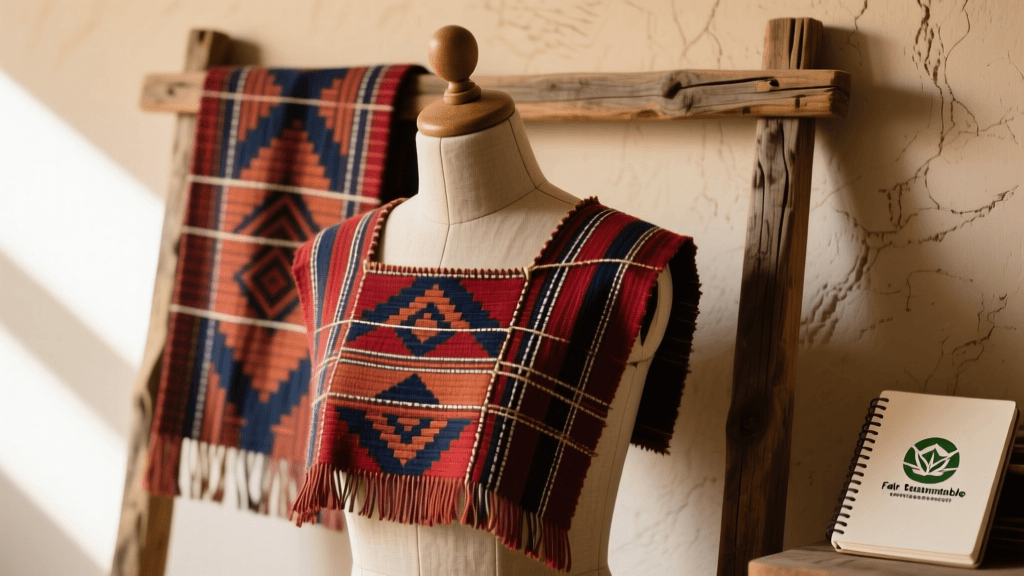
In 2026, the global appreciation for slow fashion and indigenous textile arts has reached unprecedented heights, bringing both vital economic opportunities and significant challenges to traditional weaving communities. Among the most revered garments in the Americas is the Oaxacan huipil, a traditional tunic-like dress that serves as a wearable canvas of Zapotec and Mixtec history. Unlike mass-produced garments, an authentic huipil woven on a backstrap loom represents months of meticulous labor, mathematical precision, and deep cultural storytelling.
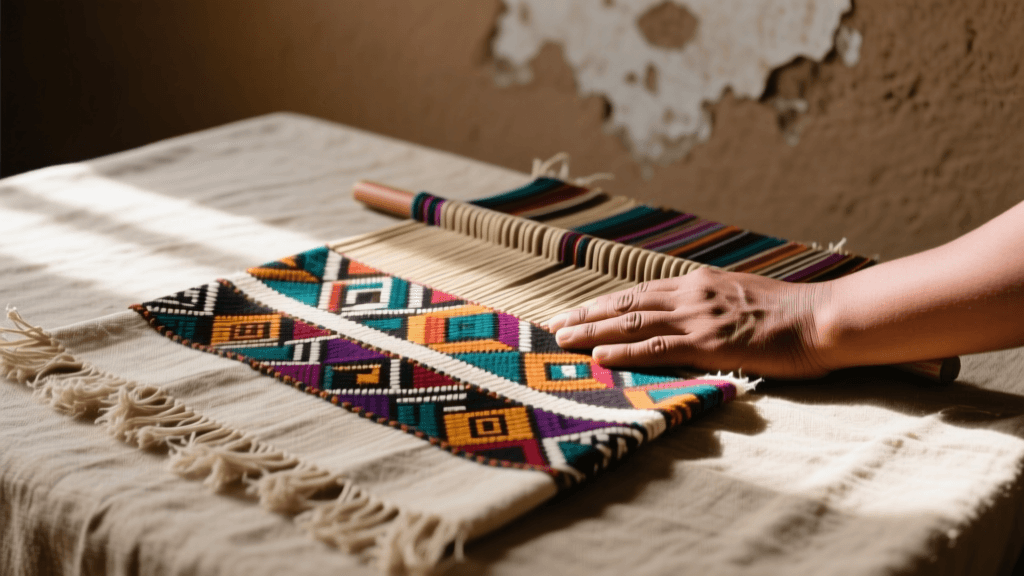
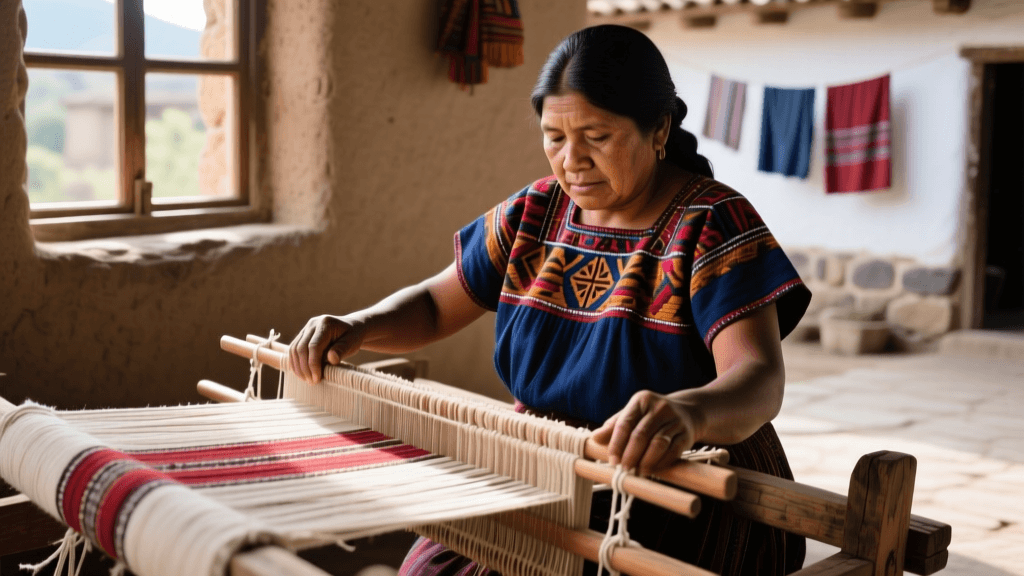
The backstrap loom, or telar de cintura, is a pre-Columbian technology that remains largely unchanged today. One end of the warp is tied to a sturdy post or tree, while the other is attached to a belt that wraps around the weaver's lower back. The weaver's own body weight provides the tension necessary to create a tight, even weave. This intimate connection between the artisan and the textile means that no two handwoven huipiles are exactly alike; the slight variations in tension and the rhythmic imperfections of the hand-spun cotton are the very hallmarks of authenticity that collectors and cultural historians seek out in the modern market.
Decoding Natural Dyes: Cochineal, Indigo, and Marigold
As the demand for sustainable and eco-friendly textiles surges in 2026, natural dyes have become a major focal point for ethical buyers. The Zapotec weavers of Oaxaca are world-renowned for their mastery of organic colorants, a tradition that predates Spanish colonization. The most famous of these is cochineal (Dactylopius coccus), a tiny scale insect that lives on the nopal cactus. When dried and ground, it yields a spectacular carminic acid that produces vibrant crimsons, purples, and deep pinks.
Authenticating natural cochineal versus synthetic azo dyes is a crucial skill for modern buyers. A simple, non-destructive field test involves applying a tiny drop of an acidic solution, such as lemon juice or white vinegar, to an inconspicuous thread. Natural cochineal will temporarily shift toward a bright orange or scarlet hue due to the pH change, before returning to its original color as it dries. Synthetic dyes will not react to mild acids in this manner.
Similarly, natural indigo (añil) requires a complex, alkaline fermentation vat to reduce the leaves into a soluble dye. Textiles dyed with true indigo possess a distinct, earthy, and slightly sweet aroma, and the color penetrates the fiber in a way that leaves the very core of the cotton thread slightly lighter than the exterior. In contrast, synthetic indigo or vat dyes often coat the outside of the thread uniformly and carry a faint chemical or metallic scent. Marigold (cempasúchil) and pecan shells are also frequently used to achieve brilliant golds and rich, warm browns, rounding out the natural palette that defines premium Oaxacan textiles.
2026 Market Guide: Pricing, Cooperatives, and Ethical Sourcing
Navigating the market for traditional Latin American garments requires an understanding of fair-trade economics. According to ethical sourcing frameworks championed by organizations like Fashion Revolution, transparency in the supply chain is paramount. In 2026, purchasing directly from weaving cooperatives or certified fair-trade galleries ensures that the artisans receive a living wage and that the cultural heritage is respected rather than exploited.
The price of an authentic huipil is directly correlated to the complexity of the brocade pattern, the quality of the cotton, and the use of natural dyes. Below is a comparative breakdown of what buyers should expect when sourcing Zapotec and Mixtec huipiles in the current market.
| Garment Classification | Material & Dye | Weaving Technique | Estimated 2026 Price (USD) | Production Time |
|---|---|---|---|---|
| Everyday Huipil | Commercial Cotton / Synthetic Dyes | Basic Weft & Warp | $120 - $250 | 2 - 4 Weeks |
| Festive Huipil | Hand-spun White Cotton / Natural Dyes | Supplementary Weft Brocade | $450 - $850 | 3 - 5 Months |
| Ceremonial / Museum Grade | Wild Pochote or Coyuche Cotton / Cochineal & Indigo | Complex Double-Faced Brocade | $1,200 - $3,000+ | 6 - 12 Months |
When sourcing, buyers should look for affiliations with recognized cultural institutions or cooperatives that align with the heritage preservation goals outlined by UNESCO. Cooperatives in regions such as San Bartolo Yautepec, Santa María Alotepec, and the Istmo de Tehuantepec are highly regarded for maintaining strict standards of traditional craftsmanship.
A Step-by-Step Authentication Checklist
To ensure you are investing in a genuine, handwoven artifact rather than a factory-made imitation, utilize this authentication checklist when evaluating a huipil:
- Examine the Selvedge Edges: On a true backstrap-woven textile, the side edges (selvedges) are naturally finished by the continuous turning of the warp threads. They should be incredibly tight, slightly raised, and perfectly straight. If the side edges are raw, cut, or hemmed with a sewing machine, the fabric was woven on a pedal loom or power loom and cut from a larger bolt.
- Analyze the Brocade Reverse: Traditional Zapotec brocade is created using a supplementary weft technique, where the decorative threads are woven directly into the structural fabric. Turn the garment inside out. You should see the pattern mirrored on the back, often with small floating threads or a slightly textured feel. If the design is only visible on the front and the back shows a messy web of stitched threads, it is post-weave embroidery, which holds significantly less cultural and monetary value.
- Check for Symmetrical Imperfections: Power looms produce mathematically perfect, sterile grids. Handwoven cotton will have microscopic slubs (thick and thin spots in the hand-spun yarn) and slight variations in the beat of the weft. These irregularities are the fingerprint of the artisan.
- Assess the Weight and Drape: Hand-spun cotton, particularly the native coyuche (naturally brown) and white varieties, is denser and heavier than commercial mercerized cotton. An authentic ceremonial huipil can weigh several pounds due to the sheer volume of thread used in the dense brocade work.
Modern Conservation: Caring for Handwoven Cotton in 2026
Once you have sourced an authentic huipil, proper conservation is essential to preserve the integrity of the natural fibers and organic dyes. Conservation guidelines from major cultural institutions, such as the Smithsonian Institution, emphasize that preventative care and gentle cleaning methods are vastly superior to harsh modern laundering techniques.
Never machine wash or dry clean a handwoven, naturally dyed huipil. The agitation of a washing machine can cause the delicate hand-spun fibers to felt or break, while the harsh solvents used in dry cleaning can strip natural oils from the cotton and cause organic dyes like cochineal to bleed or fade. Instead, hand wash the garment in cool water using a pH-neutral, conservation-grade detergent, such as Orvus Paste or a specialized textile wash. Avoid standard alkaline laundry detergents, as high pH levels will permanently alter the color of cochineal, turning vibrant reds into dull browns or grays.
After washing, never wring or twist the textile, as this will permanently distort the warp and weft alignment. Gently press the water out by rolling the huipil in a clean, colorfast cotton towel. Lay the garment flat on a drying rack in a shaded, well-ventilated area. Direct sunlight is the enemy of natural dyes; even a few hours of intense UV exposure can cause irreversible photodegradation to indigo and marigold pigments.
For long-term storage, avoid wire hangers, which will stress the shoulder seams and cause the heavy garment to stretch out of shape over time. Fold the huipil loosely along its natural woven lines and wrap it in unbleached, acid-free muslin or washed cotton. Store it in a cool, dark, and dry environment. Avoid using cedar chests or mothballs directly against the fabric, as the acidic oils and chemical vapors can degrade the cotton fibers and react unpredictably with natural dye mordants like alum and iron.
Conclusion
Purchasing an authentic Oaxacan huipil in 2026 is more than a transaction; it is an act of cultural preservation and a direct investment in the livelihoods of indigenous artisans. By understanding the mechanics of the backstrap loom, learning to identify genuine natural dyes, and committing to proper textile conservation, collectors and enthusiasts can help ensure that these magnificent Latin American textile traditions continue to thrive for generations to come.