Authentic Guatemalan Huipils 2026: Backstrap Weaving & Sourcing Guide
The Enduring Legacy of the Guatemalan Huipil in 2026
The huipil (pronounced wee-peel) is far more than a simple garment; it is a profound expression of Mayan identity, cosmology, and ancestral memory. Worn by Indigenous women across Mesoamerica, the Guatemalan huipil stands out for its staggering diversity, with designs specific to individual villages, clans, and even the marital status of the wearer. As we navigate the global textile landscape in 2026, the intersection of traditional Indigenous craftsmanship and modern ethical fashion has reached a critical juncture. While mass-market fast-fashion brands continue to appropriate Indigenous motifs, a powerful counter-movement led by Mayan weaving cooperatives is reclaiming the narrative, utilizing new provenance-tracking technologies to protect their intellectual property and ensure fair compensation.
For collectors, cultural enthusiasts, and conscious consumers, understanding the mechanics of traditional textile arts is essential. This comprehensive guide explores the intricate art of Mayan backstrap weaving, provides actionable methods for identifying authentic handwoven huipils, and outlines how to ethically source these masterpieces directly from artisan cooperatives in 2026.
The Art of the Backstrap Loom (Telar de Cintura)
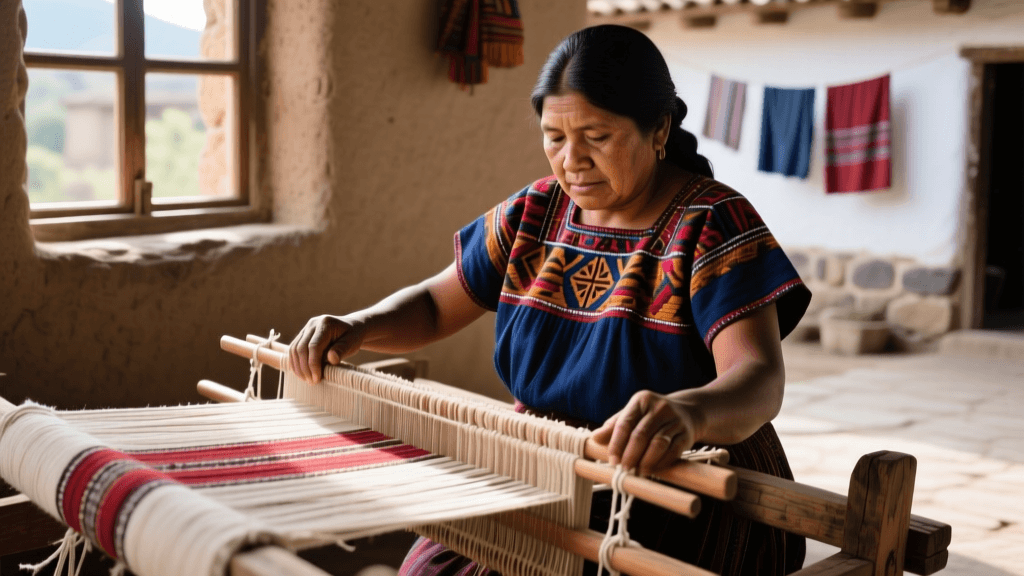
To truly appreciate the value of an authentic huipil, one must understand the tool that creates it: the backstrap loom, or telar de cintura. Unlike the rigid, floor-standing pedal looms introduced by the Spanish in the 16th century (which are typically operated by men for yardage cloth), the backstrap loom is an ancient, portable device intimately connected to the weaver's body.
The loom consists of a series of wooden rods. One end is tied to a fixed point, such as a tree or a wooden post, while the other end is secured around the weaver's lower back via a leather or woven strap. The weaver's own body weight provides the tension for the warp threads. By leaning forward or backward, she meticulously adjusts the tension, creating the shed (the space between threads) through which the shuttle passes.
The Complexity of Supplementary Weft Brocade
What elevates the Mayan huipil from a simple woven cloth to a textile masterpiece is the technique of supplementary weft brocade. As the weaver creates the base fabric, she simultaneously weaves in additional, brightly colored threads to create complex geometric, floral, and zoomorphic patterns. This is not embroidery stitched onto finished cloth; the design is structurally integrated into the fabric as it is born on the loom. A single, heavily brocaded ceremonial huipil from a region like Nebaj or Chichicastenango can take anywhere from three to six months of daily, painstaking labor to complete, requiring the weaver to memorize complex mathematical thread counts without the use of written patterns.
Identifying Authentic Handwoven Huipils
In 2026, the market is flooded with machine-made imitations that mimic the vibrant colors of Mayan textiles but lack the structural integrity and cultural soul of the original. Distinguishing between a genuine handwoven piece and a factory-made knockoff requires a keen eye and an understanding of textile anatomy.
| Feature | Authentic Handwoven Huipil | Mass-Produced Imitation |
|---|---|---|
| Selvedge Edges | Finished naturally on the loom; edges are tight, continuous, and uncut. | Cut from large rolls of fabric; edges are serged, hemmed, or fraying. |
| Reverse Side | Brocade patterns are often reversible or show a distinct, neat 'float' structure. | Embroidery or printed patterns show messy backing threads or flat ink. |
| Tension & Flaws | Slight, organic variations in tension; minor asymmetries prove human craftsmanship. | Mathematically perfect, uniform tension with zero structural variations. |
| Seams (Randas) | Panels joined by intricate, hand-stitched decorative seams called randas. | Panels joined by standard, straight machine stitching. |
| 2026 Pricing (USD) | $150 - $450 (Everyday); $600 - $1,500+ (Ceremonial/Vintage) | $25 - $60 (Wholesale/Tourist markets) |
The Importance of the Randa
Because the backstrap loom produces narrow strips of cloth (usually 12 to 18 inches wide), a full huipil requires two or three panels to be joined together. In authentic garments, these panels are connected using a randa—a highly decorative, hand-stitched seam that often features its own complex geometric motifs. If the seams of a prospective purchase are simple, straight machine stitches, the garment is almost certainly manufactured.
Regional Variations and Sacred Motifs
According to the Museo Ixchel del Traje Indígena, Guatemala is home to over 100 distinct regional variations of the huipil. Understanding these regional markers is vital for collectors and cultural preservationists.
Sololá and Lake Atitlán
Huipils from the Sololá region are renowned for their dark, rich background colors—often deep purples, navy blues, or blacks—contrast with vibrant, neon-bright brocade. A hallmark of Sololá textiles is the use of the 'sapo' (toad or frog) motif, which represents fertility, rain, and the agricultural cycle, alongside stylized birds and stars.
Quetzaltenango (Xela)
The highland city of Quetzaltenango produces huipils characterized by elegant, muted tones and sophisticated geometric patterns. Unlike the densely packed brocade of other regions, Xela weavers often utilize negative space masterfully, featuring delicate floral motifs, stars, and the iconic double-headed eagle (a symbol with both Mayan and Spanish colonial historical roots).
Nebaj and the Ixil Triangle
The Ixil region, particularly Nebaj, produces some of the most intricate and highly sought-after huipils in the Americas. Woven with incredibly fine cotton thread, the brocade is so dense that the base fabric is nearly entirely obscured. The motifs frequently feature quetzal birds, deer, and human figures engaged in traditional dances. Due to the sheer density of the weave, an authentic Nebaj huipil is heavy, stiff, and commands a premium price in the 2026 ethical textile market.
Ethical Sourcing and Fair Trade Cooperatives in 2026
The appropriation of Indigenous designs by multinational corporations has been a persistent issue, but 2026 has seen a massive shift toward direct-to-consumer cooperative models and blockchain-verified provenance. When sourcing a huipil, your purchasing power directly impacts the survival of this intangible cultural heritage.
Supporting Verified Cooperatives
To ensure your money reaches the weavers rather than middlemen, prioritize purchasing from established, women-led fair-trade organizations. The Maya Traditions Foundation has been instrumental in connecting rural weavers with global markets while providing micro-loans, healthcare, and educational support to artisan families. Similarly, Trama Textiles operates as a 100% worker-owned cooperative, ensuring that the women who weave the textiles set their own prices and retain full control over their cultural intellectual property.
Digital Provenance and QR Authentication
A major development in the 2026 ethical textile market is the integration of digital provenance. Many leading cooperatives now embed washable NFC threads or attach QR-coded tags to their high-end ceremonial huipils. Scanning these tags reveals the name of the weaver, her village, the specific motifs used and their meanings, and the exact number of hours spent on the piece. This transparency not only justifies the higher price point but educates the consumer and protects the artisan's design from corporate theft.
Caring for Your Handwoven Textile
An authentic huipil is an investment in wearable art. Proper care ensures the textile lasts for generations without the colors bleeding or the cotton fibers degrading.
- Washing: Never machine wash a handwoven huipil. Hand wash in cold water using a pH-neutral, mild detergent specifically designed for delicate natural fibers. Do not soak for extended periods, as natural dyes and some commercial dyes may bleed.
- Drying: Never wring or twist the fabric, as this can warp the tension of the backstrap weave. Gently press out excess water between two clean towels and lay the garment flat to dry in the shade. Direct sunlight will rapidly fade the vibrant brocade threads.
- Storage: Store the huipil flat or loosely rolled. Hanging a heavy, handwoven huipil on a standard hanger will cause the cotton fibers to stretch and distort under the garment's own weight over time. Use acid-free tissue paper if storing in a cedar chest or archival box.
- Ironing: If pressing is necessary, use a low-heat setting and always place a damp cotton pressing cloth between the iron and the huipil to protect the raised brocade textures from being crushed.
Conclusion: Preserving the Threads of Ancestry
The Guatemalan huipil is a living document of Mayan history, mathematics, and spirituality. As we move through 2026, the responsibility falls on global consumers to reject the commodification of Indigenous culture and instead engage in respectful, equitable commerce. By learning to identify the hallmarks of the backstrap loom, understanding the profound regional variations, and sourcing exclusively through verified fair-trade cooperatives, you help ensure that the rhythmic clack of the wooden batten and the brilliance of Mayan textile arts continue to thrive for generations to come.