Jingle Dress Regalia: Sourcing Ethical Cones & Broadcloth in 2026
The Heartbeat of Healing: The Jingle Dress in 2026
The Jingle Dress, known in the Ojibwe language as the Ziibaaska'igan, is far more than a vibrant garment seen on the powwow trail; it is a profound symbol of healing, resilience, and spiritual medicine. Originating from the Ojibwe communities around the Great Lakes during the devastating influenza pandemic of the early 20th century, the dress was revealed in a dream as a way to heal the sick. Today, the distinctive sound of the metal cones—mimicking the sound of rain on a tin roof—continues to bring spiritual cleansing to Indigenous communities across the Americas. As we navigate the powwow season in 2026, a significant and necessary shift is occurring among regalia makers: a deliberate move toward sustainable, ethically sourced materials that honor both the earth and the ancestral teachings.
Sourcing Ethical Ziibaaska'iganan (Metal Cones)
Historically, the first jingles were crafted by hand-rolling the metal lids of tobacco tins and baking powder cans. This upcycling was born of necessity and resourcefulness. However, in the modern era, the mass production of cheap, overseas factory cones has flooded the market. These mass-produced cones often rely on environmentally destructive mining practices and lack the spiritual intention required for a healing garment. In 2026, dedicated regalia makers and dancers are actively rejecting these commodities in favor of ethically sourced alternatives.
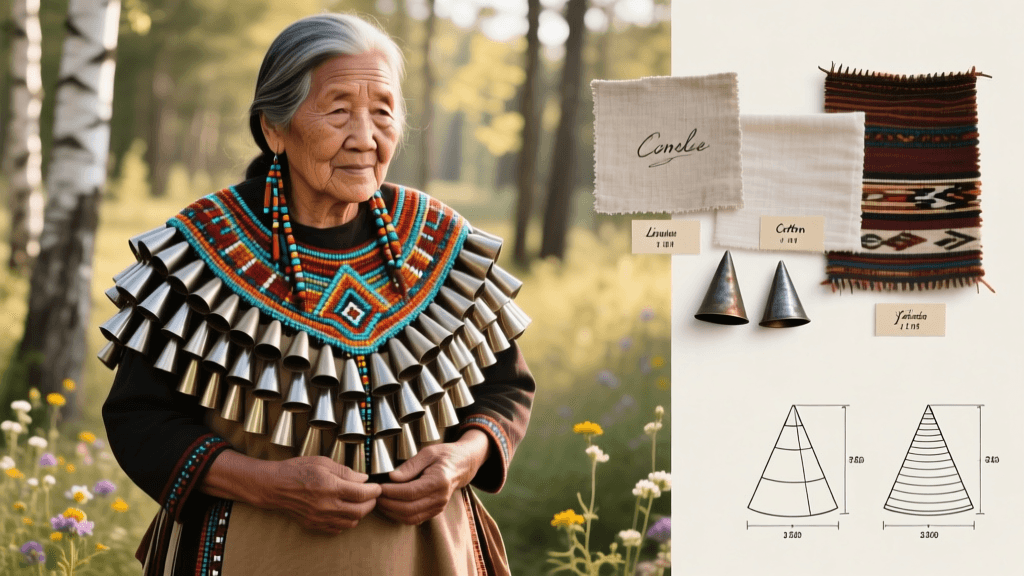
Today, the most sought-after cones are hand-rolled by Indigenous metalworking cooperatives, particularly those based in the Great Lakes region and the Pacific Northwest. These artisans utilize recycled brass, copper, and even reclaimed architectural metals to forge the ziibaaska'iganan. The acoustic properties of these recycled metals are highly prized: recycled brass offers a deep, resonant, and grounding tone, while reclaimed copper provides a lighter, brighter pitch that cuts through the sound of the drum. When sourcing cones in 2026, it is standard practice to purchase flat metal blanks from Indigenous suppliers and roll them yourself using a wooden dowel and a rawhide mallet, ensuring that your personal prayers and intentions are woven into the very foundation of the dress.
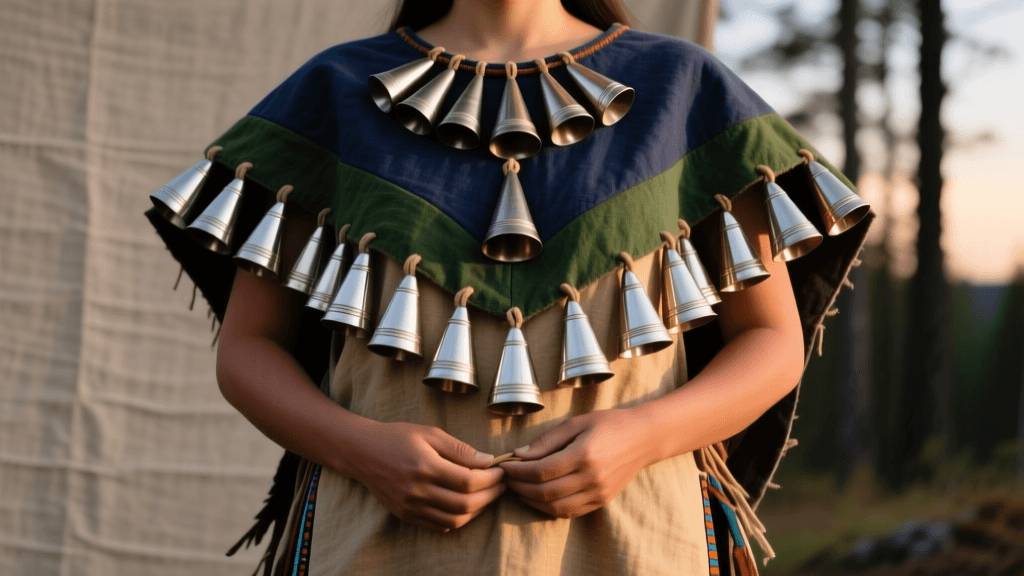
An adult-sized Jingle Dress typically requires between 400 and 700 cones, depending on the dancer's height and the specific tiered design of the garment. Sizing is crucial for both the visual cascade and the acoustic harmony. Large cones are traditionally placed along the bottom hem to provide a deep baseline sound, medium cones across the hips and lower bodice, and small cones across the shoulders and upper chest to create a high-frequency shimmer with every movement.
Selecting Sustainable Broadcloth and Ribbon Work
The foundation of the Jingle Dress requires a fabric with significant weight and drape to properly support the heavy load of the metal cones and to swing rhythmically during the dance. Traditional wool broadcloth, such as the historic Stroud cloth, has long been the standard. However, the environmental impact of conventional wool production and the rising costs of imported textiles have prompted a 2026 renaissance in sustainable fabric sourcing.
Contemporary makers are increasingly turning to eco-certified wool blends, upcycled heavy-weight cotton canvases, and organic hemp-cotton weaves. These sustainable alternatives offer the necessary structural integrity while drastically reducing the carbon footprint of the garment. When selecting your base fabric, look for suppliers who provide transparent supply chain data and utilize low-impact, water-conserving dyeing processes. Deep, rich colors like navy, forest green, burgundy, and black remain popular, serving as a striking canvas for the intricate ribbon work that adorns the dress.
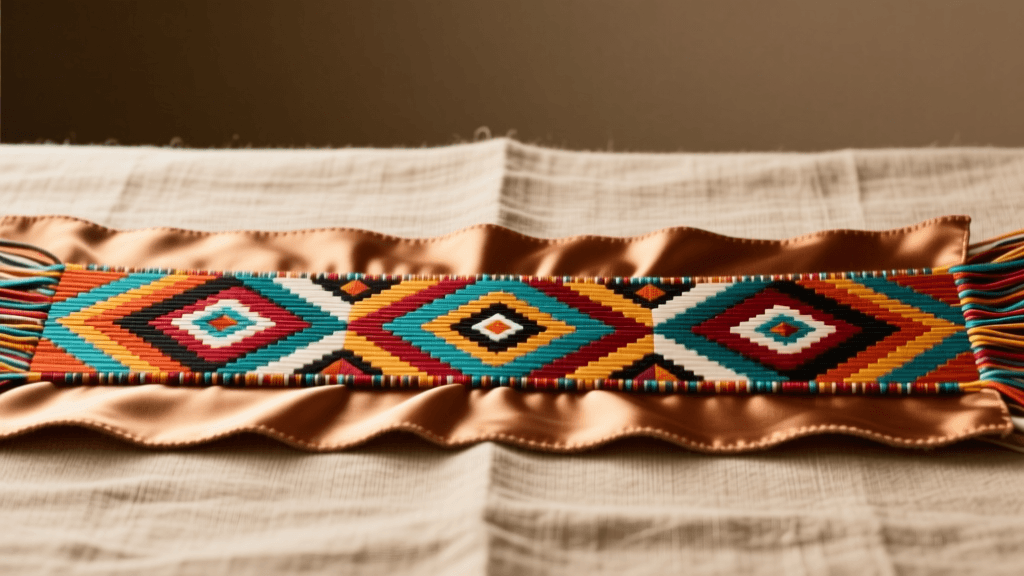
Ribbon work, or appliqué, is the vibrant geometric language of the garment. The sharp diamonds, lightning bolts, and floral motifs that decorate the shoulders, sleeves, and hem are not merely decorative; they often represent clan affiliations, personal visions, or regional styles. In 2026, there is a strong movement away from synthetic, petroleum-based ribbons. Instead, makers are sourcing naturally dyed silk, rayon, and organic cotton ribbons. Utilizing plant-based dyes such as indigo, madder root, and osage orange connects the garment directly to the earth, reinforcing the healing nature of the dance.
2026 Material Sourcing & Cost Breakdown
Planning a budget for a fully realized, ethically sourced Jingle Dress requires an understanding of the current 2026 market. While sustainable and Indigenous-made materials carry a higher upfront cost, they offer unparalleled durability, acoustic superiority, and spiritual alignment. Below is a comprehensive breakdown of the materials, recommended ethical sourcing channels, and estimated costs for an adult-sized garment.
| Material Component | 2026 Ethical Source Type | Estimated Quantity (Adult) | 2026 Avg. Cost |
|---|---|---|---|
| Metal Cones (Brass/Copper) | Indigenous Metalworking Co-ops | 500 - 700 pieces | $0.45 - $0.85 each |
| Sustainable Broadcloth Base | Eco-Certified Wool/Hemp Blends | 5 - 7 yards | $38.00 - $55.00 / yard |
| Ribbon for Appliqué | Naturally Dyed Silk/Rayon | 15 - 20 spools | $12.00 - $18.00 / spool |
| Attachment Sinew/Thread | Waxed Hemp or Faux Sinew | 3 - 5 rolls | $8.00 - $14.00 / roll |
| Internal Lining Fabric | Organic Cotton Muslin | 5 - 7 yards | $15.00 - $22.00 / yard |
| Leather Thong (Ties) | Brain-Tanned or Ethically Sourced Deer | 2 - 3 hides | $120.00 - $180.00 / hide |
Construction and Weight Distribution Techniques
A fully loaded adult Jingle Dress is a heavy garment, often weighing between 15 and 25 pounds once the metal cones, heavy broadcloth, and extensive ribbon work are complete. The physical toll of the dance—which requires a low, grounded posture and a rhythmic 'toe-heel' footwork that keeps the cones striking each other cleanly—demands exceptional structural engineering from the maker.
In 2026, regalia makers are employing advanced, hidden internal harnessing techniques to distribute the weight of the cones away from the dancer's delicate shoulder and neck muscles. Reinforcing the primary load-bearing seams with Kevlar-threaded stitching or heavy-duty upholstery techniques is now standard practice. Furthermore, the internal bodice is often lined with quilted organic cotton muslin to provide cushioning and prevent the heavy metal cones from bruising the dancer's legs and torso during vigorous movement.
Attaching the cones requires patience and precision. Each cone is threaded onto a heavy-duty ribbon, leather thong, or waxed hemp sinew, which is then sewn securely to the broadcloth base. The spacing between the cones is critical; they must be close enough to strike one another and create the signature 'rain' sound, but far enough apart to prevent the metal from tangling or catching during the dance. Makers often use specialized wooden jigs to ensure uniform spacing across the dozens of horizontal tiers that make up the skirt and bodice.
Caring for Your Sacred Garment
The Jingle Dress is not a costume; it is a living, sacred entity that carries the prayers of the maker, the dancer, and the community. Proper care and storage are essential to maintaining the integrity of the ethically sourced materials. In 2026, it is highly recommended to store the dress in breathable, acid-free cotton garment bags. Avoid plastic covers entirely, as they trap moisture and can cause the reclaimed copper and brass cones to tarnish or develop corrosive patinas that weaken the metal.
Cleaning the dress requires a gentle, intentional approach. Spot clean the broadcloth base with mild, eco-friendly detergents, and avoid harsh chemical washes that can strip the natural oils from the plant-dyed ribbons. The metal cones can be polished gently with a natural acidic solution of lemon juice and salt, followed by a light coating of beeswax to protect them from the elements. Most importantly, the spiritual care of the dress is paramount. Smudging the garment with sage, cedar, or sweetgrass before and after the powwow season cleanses its energy and prepares it for its healing work.
Honoring the Tradition on the Powwow Trail
As the Jingle Dress dance continues to evolve and spread across the Americas, the responsibility of the dancer and the maker remains rooted in the original teachings of healing and respect. Organizations dedicated to the preservation of Indigenous arts, such as the Native Arts and Cultures Foundation, continually emphasize the importance of supporting Indigenous artisans and sustainable practices to ensure these traditions thrive for generations to come. Furthermore, educational resources provided by institutions like the Minnesota Historical Society help contextualize the deep Ojibwe roots of the dance, reminding us that every stitch and every jingle carries the weight of history and the hope for future healing. By choosing ethical sourcing and sustainable construction in 2026, today's regalia makers are not just sewing fabric; they are actively participating in the ongoing healing of their communities and the earth.