2026 Jingle Dress Regalia Guide: Ethical Sourcing & Sewing
The Enduring Legacy of the Jingle Dress
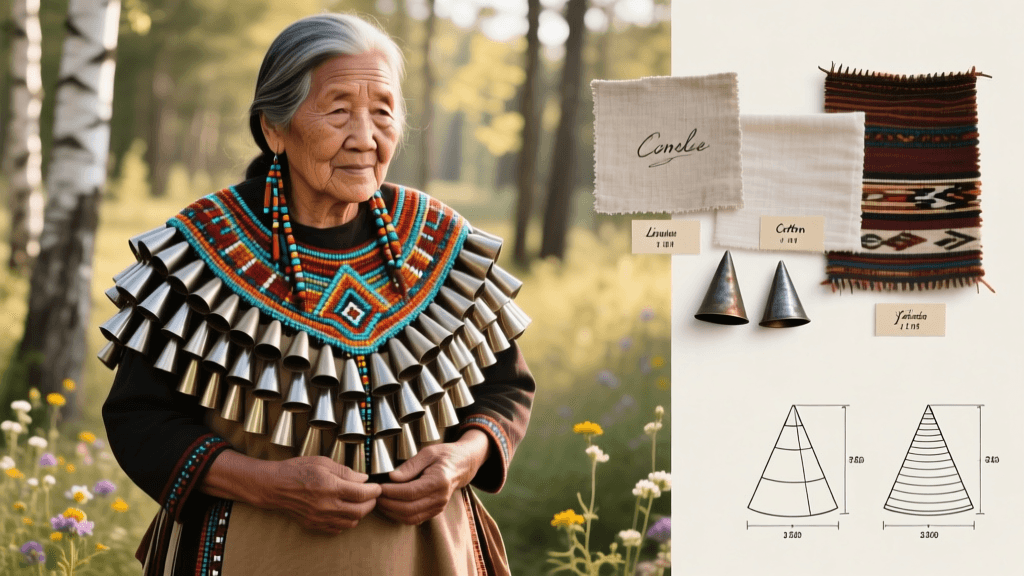
The Jingle Dress, known in the Ojibwe language as Ziibaaska'igan, is far more than a beautiful garment; it is a profound vessel of healing, prayer, and cultural resilience. Originating among the Ojibwe (Chippewa) people during the devastating 1918 influenza pandemic, the dress was born from a vision given to a medicine man to heal his gravely ill granddaughter. The rhythmic, rain-like sound of the metal cones striking together is considered a living medicine that calls upon the spirits to bring wellness to the community. Today, as we navigate the 2026 powwow season, the Jingle Dress has evolved into a pan-Indian symbol of strength, worn by dancers across North America who carry the responsibility of this healing tradition.
For those looking to create, commission, or understand the construction of a Jingle Dress in 2026, it is vital to approach the process with deep respect for its origins. This guide provides actionable, culturally grounded advice on ethical material sourcing, precise measurements, and traditional sewing techniques adapted for modern durability.
Ethical Sourcing in 2026: Supporting Indigenous Economies
In recent years, the push for Indigenous economic sovereignty has reshaped how regalia makers source their materials. When building a Jingle Dress, the golden rule is to keep your dollars within Native communities. Mass-produced, imported 'craft' cones and generic ribbonwork kits often lack the acoustic quality required for the dance and, more importantly, do not support the artisans who have kept these traditions alive.
According to the Native Arts and Cultures Foundation, supporting contemporary Indigenous makers ensures the continuation of ancestral knowledge while fostering economic independence. When sourcing metal jingles (cones), seek out Native metalsmiths who hand-roll or stamp stainless steel and tin. These artisans understand the precise acoustic tuning required for the dress to 'sing' correctly during the dance. Similarly, purchasing broadcloth and ribbon from Native-owned trading posts or verified Indigenous vendors at regional powwows guarantees you are receiving high-quality materials suited for the rigorous demands of competition and traditional dancing.
Comprehensive Materials and Cost Guide
Constructing a Jingle Dress requires a significant investment of both time and resources. Below is a detailed breakdown of the essential materials needed for an adult-sized dress, reflecting average 2026 market pricing from ethical, Native-owned suppliers.
| Material | Specification / Purpose | 2026 Est. Cost | Sourcing & Usage Notes |
|---|---|---|---|
| Wool or Cotton Broadcloth | Base fabric for bodice and skirt | $45 - $85 / yard | Choose medium-weight wool blends for durability and elegant drape. Requires 5-7 yards. |
| Metal Jingles (Cones) | Sound production and healing | $20 - $35 / 100 pcs | Hand-rolled stainless steel is preferred. An adult dress typically requires 400 to 800 cones. |
| Satin or Grosgrain Ribbon | Appliqué and geometric patterns | $4 - $8 / spool | High-quality polyester blends resist fraying. Avoid cheap craft ribbons that degrade in sunlight. |
| Heavy-Duty Upholstery Thread | Tying jingles and stress points | $12 - $18 / spool | Waxed dental floss or bonded nylon thread prevents snapping during vigorous dance movements. |
| Lining Fabric | Comfort and structural support | $15 - $25 / yard | Breathable cotton or bamboo blends are ideal for hot summer powwows. |
Measuring and Cutting the Base Garment
The traditional Jingle Dress is typically constructed using a modified T-shape pattern or a three-piece design consisting of a bodice, sleeves, and a multi-tiered or gathered skirt. The fit should allow for a full range of motion, particularly for the intricate footwork required in the Jingle Dress dance, which emphasizes keeping the feet close to the ground to maintain the rhythm of the cones.
Key Measurements for 2026 Patterns
- Bodice Drop: Modern dancers often prefer a slightly dropped shoulder seam for comfort. Measure from the base of the neck, over the shoulder, and down to the desired waistline.
- Skirt Fullness: The skirt must be full enough to allow the jingles to swing freely without tangling. A standard gathering ratio is 2.5 times the waist measurement.
- Hemline Clearance: The dress should fall to mid-calf. This ensures the bottom tier of jingles does not strike the ground or catch on the dancer's moccasins during pivots and turns.
When cutting the broadcloth, always use pinking shears or finish the raw edges with a serger to prevent the wool or cotton from unraveling over years of use. Many contemporary makers in 2026 are incorporating lightweight, moisture-wicking bamboo linings into the bodice to combat the intense heat of outdoor summer powwows, a modern innovation that respects the dancer's physical endurance.
Ribbonwork and Appliqué Techniques
The visual identity of the Jingle Dress is defined by its vibrant ribbonwork. Traditional Ojibwe designs often feature geometric patterns, diamonds, and stepped motifs that represent the natural world and spiritual pathways. While historical dresses utilized silk ribbons, today's regalia makers favor high-grade polyester satin or grosgrain for its colorfastness and resistance to humidity.
To apply the ribbonwork, use the fold-and-stitch appliqué method. Pin the ribbon to the broadcloth, folding the edges under as you sew to create clean, sharp lines. For complex diamond patterns, baste the ribbon in place before taking it to the sewing machine. As noted by cultural historians featured in Indian Country Today, the colors chosen for the ribbonwork are rarely random; they often reflect the dancer's clan, family lineage, or personal spiritual visions. Red, black, yellow, and white remain deeply significant, though modern dancers frequently incorporate vibrant turquoise, magenta, and metallic gold to reflect their individual identities.
Tying the Jingles: Spacing, Sound, and Mechanics
The most critical and time-consuming phase of construction is attaching the metal cones. The placement of the jingles dictates both the visual flow and the acoustic resonance of the dress. The cones are traditionally arranged in horizontal rows or staggered V-shapes across the skirt and bodice.
The Art of the Knot
Never use standard cotton thread to tie jingles; the friction and weight of the metal will snap it within a single powwow weekend. Instead, use heavily waxed dental floss or bonded nylon upholstery thread. Cut a length of thread, fold it in half, and pass the loop through the top hole of the cone. Thread the two tails through a sturdy fabric ribbon or directly through the reinforced broadcloth, pulling tight and securing with a surgeon's knot. Apply a tiny drop of flexible fabric glue to the knot to ensure it never slips.
Spacing for Optimal Resonance
For the dress to produce the signature 'rain' sound, the cones must be spaced closely enough to strike one another, but not so tight that they muffle each other. A standard spacing is approximately 1.5 to 2 inches apart horizontally, with rows staggered so that a cone in the second row sits between two cones in the first row. An adult dress typically features between 400 and 800 jingles. The Smithsonian National Museum of the American Indian highlights that the collective sound of hundreds of cones striking together is meant to mimic the sound of rain on a tin roof, a deeply soothing and spiritually cleansing frequency.
Regalia Care, Storage, and Powwow Travel
A Jingle Dress is considered a sacred item and must be treated with the utmost respect. It should never be tossed onto the floor, left unattended, or handled by spectators. When traveling to powwows in 2026, invest in a breathable, water-resistant garment bag specifically designed for regalia. Avoid plastic dry-cleaning bags, which trap moisture and can cause the metal cones to oxidize or rust, especially in humid climates.
After a powwow weekend, gently shake out the dress to remove arena dust and grass. Hang it in a cool, dry, and shaded area to air out before storing it in a cedar-lined closet or a breathable cotton storage bin. Cedar naturally repels moths and insects that are attracted to wool broadcloth, while imparting a traditional, grounding scent to the garment.
'The Jingle Dress is not just something you wear; it is a responsibility you carry. When you put it on, you are dancing for those who cannot dance, and praying for those who need healing.' — Ojibwe Elder and Powwow Matriarch.
Conclusion
Creating a Jingle Dress in 2026 is a labor of love, requiring hundreds of hours of meticulous sewing, knotting, and cultural reflection. By prioritizing ethical sourcing from Native artisans, respecting the traditional Ojibwe origins of the garment, and utilizing durable construction techniques, you ensure that this beautiful healing tradition will continue to resonate across powwow arenas for generations to come. Whether you are a first-time maker or a seasoned seamstress, approach the process with patience, and let the medicine of the dress guide your hands.