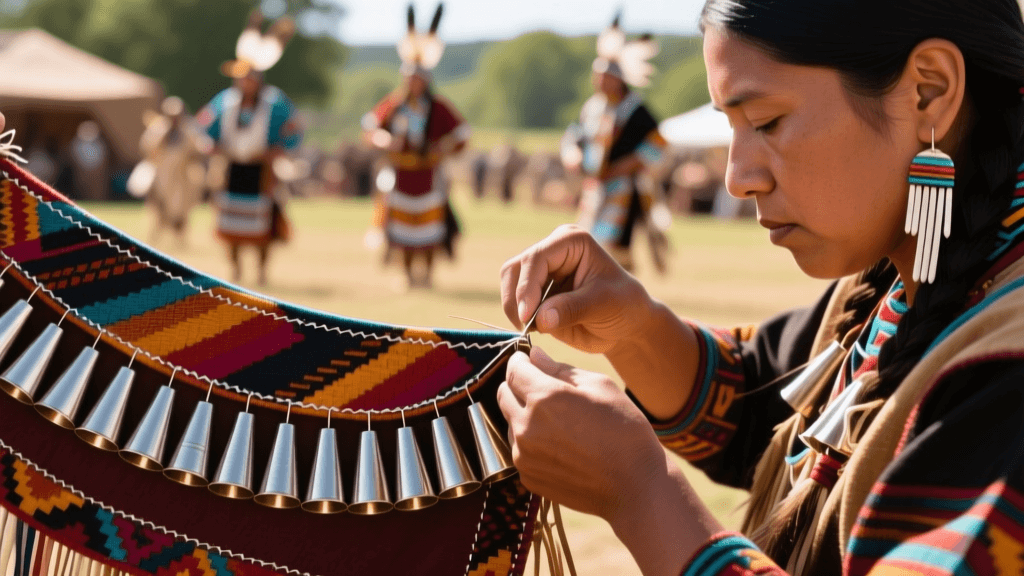
Plains Indigenous Regalia Materials 2026: Lakota & Comanche Guide
The Living Tradition of Plains Regalia in 2026
The creation of Indigenous North American regalia is a profound expression of identity, spirituality, and community. As we navigate 2026, the demand for authentic, high-quality materials to craft traditional Plains dress has never been higher. Regalia is not a static costume; it is a living, evolving art form that requires artisans to balance historical accuracy with the realities of modern material sourcing. Whether preparing for the upcoming summer powwow season or crafting ceremonial garments for family milestones, understanding the regional nuances and material requirements of Plains tribes is essential for any dedicated maker.
In 2026, global supply chain shifts have impacted the availability and pricing of traditional crafting supplies. Artisans are finding that imported European glass beads, natural animal hides, and pure silk ribbons require more strategic sourcing than ever before. This comprehensive guide explores the distinct dress traditions of the Northern and Southern Plains—specifically focusing on the Lakota and Comanche tribes—and provides actionable, up-to-date advice on sourcing the finest materials available today.
Regional Distinctions: Northern vs. Southern Plains Dress
The vast expanse of the Great Plains is home to diverse tribal nations, each with unique aesthetic traditions, garment structures, and material preferences. While cross-cultural exchange has always occurred, distinct regional styles remain prominent in contemporary regalia.
Lakota (Northern Plains) Dress Traditions
The Lakota, along with their Dakota and Nakota relatives, are renowned for their intricate geometric beadwork and the use of natural elements that reflect the Northern Plains environment. Traditional Lakota women's dresses often feature fully beaded yokes, a tradition that originated in the late 19th century and continues to be a hallmark of Northern Plains regalia. In 2026, creating a fully beaded yoke requires approximately 15 to 20 hanks of size 11/0 glass beads, alongside dentalium shells and elk teeth (or synthetic/bone alternatives) for decorative edging.
Men's regalia often incorporates brain-tanned buckskin shirts adorned with porcupine quillwork, a highly specialized skill that predates glass beads. The geometric patterns—frequently featuring triangles, step motifs, and diamond shapes—are deeply symbolic, representing elements of the natural world and spiritual visions.
Comanche (Southern Plains) Dress Traditions
Moving south, the Comanche and neighboring Southern Plains tribes like the Kiowa and Cheyenne developed distinct sartorial traditions influenced by a warmer climate and different trade networks. Comanche regalia is celebrated for its masterful peyote stitch beadwork, elaborate featherwork, and the use of German silver jewelry. The Southern Plains aesthetic often incorporates more floral and curvilinear designs alongside traditional geometric motifs, particularly in gourd stitch and fan handles.
Ribbon work and fringed buckskin are also central to Southern Plains dress. Comanche dancers and artisans frequently utilize vibrant silk ribbons for appliqué work on shirts and shawls, creating striking, dynamic movement during dance. The integration of metalwork, particularly German silver conchos and armbands, adds a distinctive auditory and visual element to Southern Plains regalia that sets it apart from Northern styles.
Sourcing Authentic Beads and Quillwork Materials
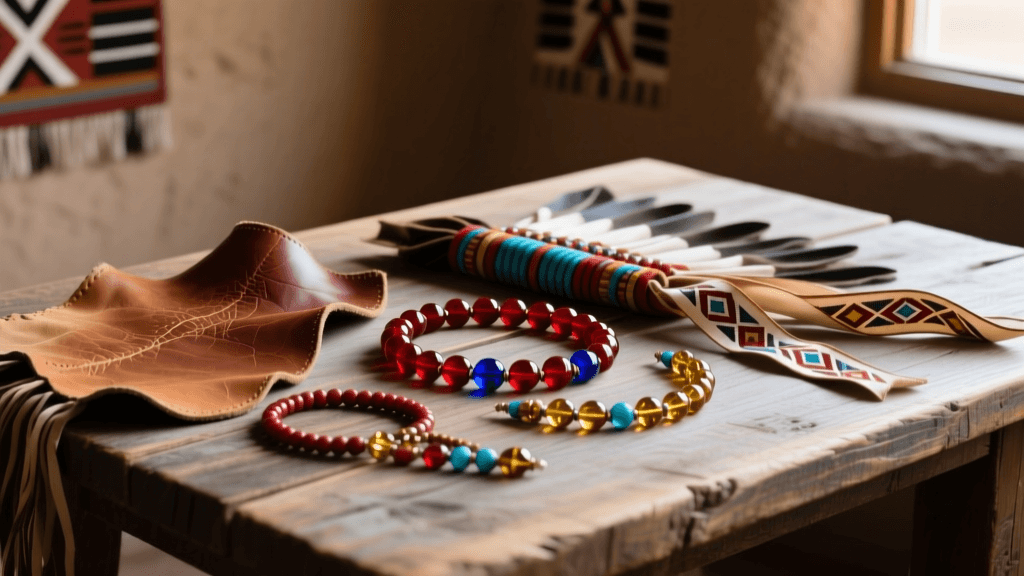
The foundation of Plains beadwork lies in the quality and uniformity of the beads. In 2026, artisans must choose between traditional Czech glass and modern Japanese cylinder beads, depending on the stitch technique and historical period they are replicating.
Glass Beads: Czech vs. Japanese
For traditional Lakota lazy stitch (also known as lane stitch), Size 11/0 Czech glass beads remain the gold standard. The slight irregularities in Czech glass give the finished beadwork a textured, organic appearance that perfectly mimics 19th-century museum pieces. In 2026, Preciosa Czech beads have seen a price increase of roughly 12% due to European manufacturing costs, with premium hanks (approximately 40 grams) retailing between $8.50 and $14.00 depending on the rarity of the color. Artisans are advised to purchase opaque colors like Cheyenne pink, translucent greasy blue, and white in bulk during winter supplier sales to lock in pricing.
Conversely, for Comanche peyote stitch and intricate loom work, uniformity is paramount. Japanese Miyuki Delica or Toho Treasures (Size 11/0 cylinder beads) are preferred in 2026 for these techniques. Their precise, tubular shape allows for a flat, seamless finish essential for gourd stitch and medallion work. While more expensive per gram than Czech glass, their consistency reduces the time spent culling misshapen beads.
Sinew, Thread, and Backing
While traditional prepared animal sinew is still used by purists for its unmatched tensile strength and historical authenticity, modern artisans frequently rely on synthetic alternatives for durability and ease of use. In 2026, Nymo thread (Size D or O) and Fireline braided beading thread are the industry standards. Fireline is particularly favored for heavy regalia pieces, such as beaded moccasins and belt sets, as it resists fraying against the sharp edges of Czech glass and cut beads.
For backing beadwork, heavy-duty cotton muslin or artificial sinew-backed buckskin is recommended. Avoid synthetic poly-blends, as they do not breathe well and can cause the hide to degrade over time when exposed to sweat during summer powwows.
Textiles, Hides, and Ribbons
The structural integrity and drape of Plains regalia depend heavily on the quality of the hides and textiles used. Sourcing ethical, high-grade materials is a priority for contemporary makers.
Brain-Tanned Buckskin
Brain-tanned buckskin is the lifeblood of traditional Plains clothing. The process of tanning hides using animal brains and wood smoke creates a leather that is incredibly soft, washable, and breathable. When sourcing hides in 2026, it is crucial to understand the difference between smoked and unsmoked hides. Smoked hides have been exposed to cottonwood or sagebrush smoke, which permanently sets the tanning oils and makes the leather water-resistant. This is essential for dance regalia that may be worn in unpredictable summer weather.
As of 2026, authentic, hand-brained smoked deer hides average between $32.00 and $45.00 per square foot. For a traditional Lakota or Comanche fringed shirt, you will need approximately 12 to 16 square feet of medium-weight hide (3 to 4 ounces). For leggings or heavy-duty moccasin uppers, seek out thicker elk or buffalo hides, which can cost upwards of $55.00 per square foot but offer unparalleled durability.
Silk Ribbons for Appliqué and Shirts
The ribbon shirt and ribbon skirt are iconic garments across the Plains. The secret to high-end ribbon work lies in using 100% silk taffeta or grosgrain ribbons. Polyester and nylon blends, which flooded the market in the early 2000s, melt under the heat of an iron and lack the crisp drape required for clean appliqué edges. In 2026, top-tier regalia makers strictly source pure silk ribbons, often importing them from specialized European or Asian textile mills. Standard widths for ribbon shirts are 1/2 inch to 1 inch for the yoke and arm bands, while 2-inch to 3-inch ribbons are used for skirt hems and shawl fringes.
2026 Material Sourcing Comparison Table
| Material | Best Use Case | 2026 Est. Cost | Sourcing Recommendation |
|---|---|---|---|
| Czech Glass 11/0 (Opaque) | Lakota Lazy Stitch, Yokes | $8.50 - $14.00 / hank | Buy in 50g+ bulk from dedicated Native trade suppliers |
| Miyuki Delica 11/0 | Comanche Peyote Stitch, Fans | $4.00 - $7.00 / 7g tube | Standard craft retailers or online bead wholesalers |
| Smoked Brain-Tanned Deer | Shirts, Dresses, Moccasins | $32.00 - $45.00 / sq ft | Direct from Indigenous tanners (verify tribal enrollment) |
| 100% Silk Taffeta Ribbon | Ribbon Shirts, Appliqué | $0.80 - $1.50 / yard | Specialty silk importers; avoid big-box craft stores |
| Fireline Beading Thread | Heavy Beadwork, Moccasins | $12.00 - $18.00 / 50yd spool | Fishing supply or specialized bead shops |
Ethical Sourcing and the Indian Arts and Crafts Act
When purchasing materials—especially finished components like German silver conchos, carved bone hair pipes, or tanned hides—ethical sourcing is paramount. The Indian Arts and Crafts Board enforces the Indian Arts and Crafts Act, a truth-in-advertising law that prohibits misrepresentation in marketing American Indian arts and crafts. In 2026, it is more important than ever to ensure that the artisans you purchase raw materials and components from are verified members of federally or state-recognized tribes.
Supporting Indigenous suppliers not only ensures the economic vitality of Native communities but also guarantees that the materials are crafted with cultural respect and traditional knowledge. Many top-tier brain-tanners and bead suppliers operate exclusively through social media networks and Indigenous-specific trade shows, such as the Santa Fe Indian Market or the Heard Museum Guild Indian Fair. Building relationships directly with these artisans is the best way to secure high-quality, ethically sourced materials.
Preserving the Legacy
The garments created by Plains artisans are more than just clothing; they are historical documents, spiritual armor, and familial heirlooms. Institutions like the Smithsonian National Museum of the American Indian house thousands of historical Plains garments that serve as vital references for contemporary makers studying cut, stitch, and material composition. By meticulously sourcing the correct beads, hides, and textiles in 2026, today's artisans ensure that the vibrant dress traditions of the Lakota, Comanche, and other Plains nations continue to thrive, adapt, and command respect for generations to come.
'Every bead laid down, every fringe cut, and every ribbon folded is a conversation with our ancestors. The materials we choose dictate the voice of that conversation.' — Contemporary Plains Regalia Maker