LDS Temple Garments 2026: Complete History & Style Guide
Understanding the Sacred Textile Tradition of LDS Garments
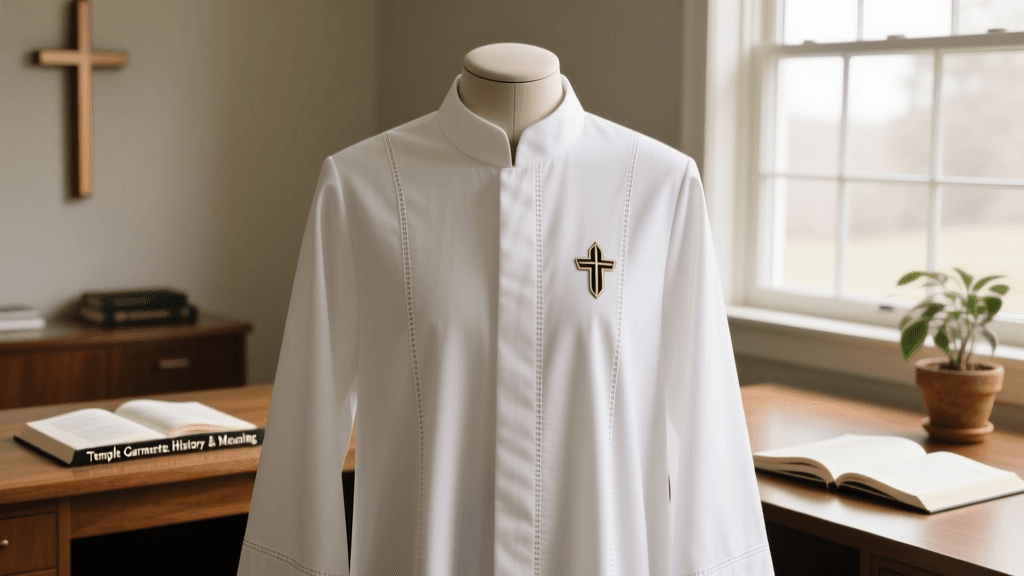
Within the broader tapestry of religious and traditional clothing in the Americas, the temple garment worn by members of The Church of Jesus Christ of Latter-day Saints holds a unique and profoundly sacred position. While not an ethnic or tribal garment in the traditional anthropological sense, the LDS temple garment is a distinct religious textile tradition born in North America in the 19th century. Often referred to simply as 'the garment' by endowed members, it serves as a deeply personal, daily reminder of sacred covenants made in temples. As of 2026, the design, distribution, and fabric technologies surrounding these garments have evolved significantly, offering members a variety of options suited for modern global lifestyles while maintaining strict adherence to spiritual modesty and covenantal symbolism.
For members of the faith, the garment is not merely an undergarment; it is a sacred vestment. According to the Gospel Topics Essay on Temple Garments, the practice of wearing special clothing to remind oneself of sacred covenants is not unique to Latter-day Saints, echoing ancient Israelite traditions and other historical religious practices. This guide explores the rich history, spiritual symbolism, and the latest 2026 purchasing and fabric options available to endowed members today.
Historical Evolution: From Nauvoo to 2026
The origins of the LDS temple garment trace back to Nauvoo, Illinois, in 1842, when the Prophet Joseph Smith first introduced the temple endowment to a small group of close associates. The earliest garments were one-piece union suits, typically made of unbleached cotton or linen, extending to the wrists and ankles. These early designs were heavily influenced by the long undergarments common in 19th-century America, but they were adapted to include specific, sacred markings.
As the Church migrated westward to the Salt Lake Valley and expanded globally throughout the 20th century, the practical needs of the membership shifted. The transition from agrarian, rural lifestyles to modern, urban environments necessitated changes in the garment's design. In the mid-20th century, the Church introduced the two-piece garment (a separate top and bottom), which was a monumental shift that accommodated changing societal dress norms, military service requirements, and the practicalities of modern clothing.
Entering 2026, the Church continues to refine the patterns and manufacturing processes. Recent years have seen a massive leap in textile engineering. While the core modesty requirements and sacred marks remain entirely unchanged, the periphery of the garment—such as sleeve lengths, neckline variations, and fabric blends—has been optimized for everything from tropical humidity to extreme cold, ensuring that members in diverse global climates can wear their garments comfortably and consistently.
Symbolism and the Sacred Marks
The most defining characteristic of the temple garment is the inclusion of specific symbols, carefully woven or embroidered into the fabric. These marks are not magical or superstitious; rather, they serve as visual and tactile reminders of the covenants made during the temple endowment. As outlined by the Church Newsroom, these symbols connect the wearer to God and to the eternal perspective of the gospel.
- The Square: Represents honor, integrity, loyalty, and trustworthiness. It reminds the wearer to act with strict moral rectitude in all dealings.
- The Compass: Symbolizes an undeviating course in relation to truth and the need to keep one's desires and passions within the bounds the Lord has set.
- The Navel: Represents the need for constant spiritual nourishment and the connection to the source of eternal life, much like an umbilical cord connects a child to its mother.
- The Knee: A reminder of the importance of reverence, prayer, and the willingness to bow before God in humility and worship.
'The garment of the holy priesthood is an outward expression of an inward commitment.' — President Russell M. Nelson
2026 Fabric Technologies and Style Options
In 2026, the Church Distribution system offers an impressive array of fabric blends and styles to accommodate medical needs, sensory sensitivities, athletic lifestyles, and varying climates. The integration of sustainable modal fibers and advanced moisture-wicking synthetics has revolutionized the daily wear experience. Below is a comparison chart of the primary fabric options available this year.
| Fabric Type | Best Climate/Use | Key 2026 Features | Est. Price (Top/Bottom) |
|---|---|---|---|
| 100% Cotton | Temperate / Sensitive Skin | Breathable, traditional feel, hypoallergenic, durable for high-heat washing. | $9.00 - $11.00 |
| Modal / Cotton Blend | All-Season / Office Wear | Ultra-soft, resists shrinking and fading, drapes well under fitted clothing. | $12.00 - $14.00 |
| CoolMax / Performance | Tropical / High Activity | Advanced moisture-wicking, antimicrobial odor resistance, quick-dry mesh panels. | $14.00 - $16.50 |
| Stretch Nylon/Spandex | Athletics / Maternity | 4-way stretch, seamless edges to prevent chafing, adaptive fit for body changes. | $13.50 - $15.50 |
For women, 2026 styles include cap-sleeve, short-sleeve, and long-sleeve tops, with options for round, V-neck, and scooped necklines to remain hidden beneath various outer garments. The maternity line has also been expanded this year to feature adaptive side-paneling that grows with the wearer. Men's options include crew and V-neck tops, alongside varying bottom styles ranging from traditional boxer cuts to modern fitted briefs and longer athletic inseams.
How to Purchase Garments in 2026
Purchasing temple garments is restricted to endowed members of the Church who hold a current, valid temple recommend. Unlike standard retail clothing, garments are not sold in commercial department stores or standard Deseret Book retail locations. Instead, they are distributed exclusively through official Church Distribution channels.
As of 2026, the most common method of purchasing is via the official Church Distribution online portal. Members log in using their Church Account, which automatically verifies their temple recommend status. The online store features an AI-assisted sizing tool introduced in late 2025, which uses basic measurements to recommend the most accurate fit, drastically reducing return rates. Members can also purchase garments in person at regional Church Distribution centers located near major temples worldwide, or order them directly through the clothing desks inside most operating temples.
Care, Maintenance, and Respectful Disposal
Caring for temple garments requires both practical laundry knowledge and spiritual mindfulness. Members are counseled to treat the garments with the utmost respect. They should be washed with regular laundry detergent, but members are encouraged to wash them separately or with modest care, avoiding harsh bleaches that might degrade the sacred marks or compromise the fabric's integrity. The 2026 modal and performance blends are largely wrinkle-resistant and can be tumble-dried on low, though air-drying is recommended to extend the lifespan of the elastic components.
When a garment becomes worn, torn, or no longer usable, it must be disposed of in a specific, respectful manner. Members are strictly counseled never to donate old garments to thrift stores, charities, or clothing bins. To dispose of a garment, the sacred marks must first be carefully cut out and destroyed. The remaining fabric is then cut into unrecognizable pieces so that it no longer resembles a garment before being placed in the regular household trash. In areas where it is safe and legally permissible, burning the entire garment is also considered an acceptable and respectful method of disposal. This careful disposal process underscores the deep reverence members hold for this unique American religious textile tradition.
Conclusion
The LDS temple garment is far more than a piece of clothing; it is a vital, living component of Latter-day Saint worship and identity. From its 19th-century origins in Nauvoo to the technologically advanced, sustainably sourced fabrics of 2026, the garment has adapted to the practical needs of a global membership without ever compromising its sacred core. For endowed members, it remains a constant, comforting shield and a daily reminder of their eternal promises, weaving the sacred into the very fabric of their everyday lives.