LDS Temple Garments 2026: History, Styles & Buying Guide

Introduction to LDS Temple Garments
For members of The Church of Jesus Christ of Latter-day Saints, temple garments represent a deeply sacred and personal aspect of their faith. Often referred to simply as "garments" or "Mormon undergarments" by the general public, these garments are much more than basic clothing; they are a physical reminder of spiritual covenants made within the walls of Latter-day Saint temples. As we navigate through 2026, the designs, fabrics, and purchasing methods for these sacred items have continued to evolve, balancing reverence with modern textile innovations and diverse lifestyle needs. This comprehensive guide explores the rich history, spiritual significance, modern styles, and practical purchasing advice for LDS temple garments in 2026.
The Historical Evolution of Sacred Clothing
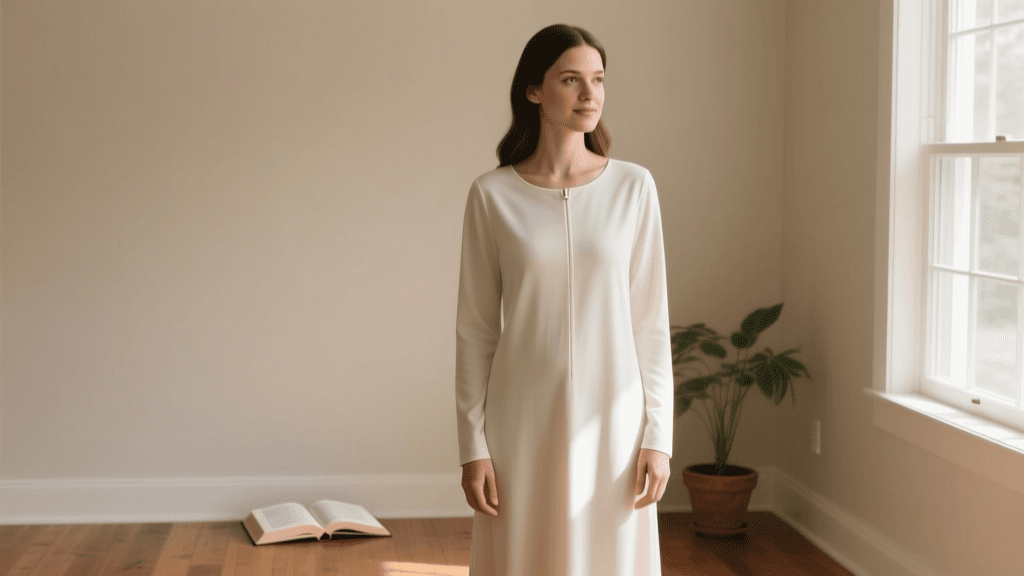
The history of the temple garment traces back to the early days of the Latter-day Saint movement in the 19th century. When Joseph Smith introduced the temple endowment in Nauvoo, Illinois, in the 1840s, the garment was designed as a one-piece undergarment, similar to the "union suits" commonly worn by men and women of that era. These early garments extended to the wrists and ankles, featuring specific woven or embroidered marks that held symbolic meaning related to the covenants made during the temple ceremony.
Under the direction of Brigham Young and subsequent church leaders, the garment became a standard practice for endowed members. Throughout the 20th century, the design underwent several practical modifications. In the 1920s and 1930s, the Church began to allow shorter sleeves and legs to accommodate changing fashion norms and the practicalities of modern life, eventually leading to the two-piece styles (separate tops and bottoms) that are standard today. According to the Church Newsroom, these adjustments were made to ensure the garment could be worn comfortably in all climates and professional environments without compromising its sacred purpose.
Spiritual Meaning and Covenants
To understand the garment, one must understand its purpose. According to the Church's official teachings, the garment serves as a "shield and a protection" and a constant, tangible reminder of the covenants made with God. It is not viewed as a magical talisman or a literal physical shield against harm, but rather a spiritual armor that encourages modesty, righteousness, and mindfulness of one's commitments. Wearing the garment is a deeply private matter, and members are counseled to treat it with the utmost respect, keeping it hidden from public view and discussing it only in appropriate, reverent settings. The Gospel Topics essay on Temple Garments emphasizes that the true power of the garment lies in the wearer's faithfulness and adherence to their temple covenants.
2026 Styles, Fabrics, and Innovations
In 2026, the Church offers a wider variety of garment styles and fabrics than ever before, reflecting a global membership with diverse climates, body types, and occupational needs. The transition from strictly utilitarian cotton to advanced performance fabrics has been a major focus over the last decade. Today, endowed members can choose from several neckline options for both men and women, including crew, V-neck, scoop, and sweetheart necklines. For women, options now include cap sleeves, short sleeves, and specialized maternity and nursing garments that provide both modesty and functionality.
Fabric Comparison Chart
One of the most important decisions members make when purchasing garments is selecting the right fabric. The distribution centers and online stores in 2026 categorize fabrics based on breathability, stretch, and climate suitability. Below is a comparison of the primary fabric options available this year:
| Fabric Type | Best For | Key Features | 2026 Availability |
|---|---|---|---|
| 100% Cotton | Cool climates, sensitive skin | Soft, natural, breathable, traditional feel | High |
| Stretch Cotton | Daily wear, active lifestyles | Cotton blend with spandex, retains shape, tailored fit | High |
| Mesh / Net | Tropical climates, extreme heat | Maximum airflow, lightweight, quick-drying | Moderate |
| Performance Nylon | Athletes, military, humid regions | Moisture-wicking, durable, anti-odor properties | High |
Cotton remains a traditional favorite for its softness and natural feel, though it can retain moisture in hot climates. Stretch Cotton, blended with a small percentage of spandex, offers a more tailored fit that moves with the body, making it highly popular for daily wear. Mesh fabrics are specifically designed for extreme heat and humidity, offering maximum breathability for members living in tropical regions or serving missions in warm climates. Finally, the performance nylon and moisture-wicking blends have surged in popularity by 2026, favored by athletes, military personnel, and those with highly active lifestyles due to their advanced sweat-management properties.
Sizing, Fit, and Custom Options
Proper fit is essential for both comfort and reverence. Garments should fit comfortably without being overly tight or excessively loose. The Church provides detailed measuring guides online, advising members to measure their chest, waist, and hips to find the correct size. For women, the sizing often correlates with standard apparel sizing but is tailored specifically for the unique cut of the garment. In recent years, the Church has expanded its size inclusivity, offering extended sizes and specialized cuts for individuals with physical disabilities or those who use wheelchairs, ensuring that all endowed members can wear their sacred clothing comfortably.
Additionally, 2026 has seen improvements in specialized garment lines. Maternity garments now feature expandable abdominal panels that grow with the wearer, while nursing tops include discreet, modest access points. Military personnel can order specialized garments that comply with uniform color regulations and are designed to withstand rigorous field conditions.
How to Purchase Garments in 2026
Purchasing temple garments requires a valid temple recommend, which is issued by a member's local bishop after a worthiness interview. This requirement ensures that the sacred nature of the clothing is maintained. Members can purchase garments through several channels. The most convenient method for many is the official online Church store, which ships directly to the member's home in discreet packaging. Alternatively, physical Distribution Centers located near temples and in major metropolitan areas allow members to try on different sizes and feel the fabrics in person.
For members living internationally, the Church has vastly improved its global supply chain. As detailed on the official Temples and Clothing page, regional distribution hubs now ensure that members in South America, Africa, and Asia have faster access to the full range of 2026 fabrics and styles without facing prohibitive international shipping fees. In 2026, the Church's inventory system has been highly optimized, meaning most standard sizes and fabrics are kept in stock, though specialized items like maternity garments or specific military-issue garments may require a brief special order period.
Travel and Daily Wear Considerations
For members who travel frequently, packing and caring for garments on the road requires some planning. Because moisture-wicking and mesh fabrics dry significantly faster than traditional cotton, they are highly recommended for travelers who need to wash garments in hotel sinks. Many members in 2026 utilize specialized, discreet travel wash bags designed specifically for laundering sacred clothing in shared or public spaces. When going through airport security, members are advised to wear their garments under their outer clothing; if a private pat-down is required, members can politely request a private screening room and ask that the garments not be removed, as TSA and international security protocols generally accommodate religious undergarments when communicated respectfully.
Care, Maintenance, and Respectful Disposal
Caring for temple garments requires specific attention to respect their sacred nature. They should be washed with regular laundry, though members are counseled to treat them respectfully during the laundering process. They can be machine washed and tumble dried on standard settings, though air drying is often recommended for the more delicate mesh and stretch fabrics to prolong their lifespan and prevent the breakdown of elastic fibers.
When a garment becomes worn, torn, or no longer usable, it must be disposed of properly. Members are instructed to carefully cut out the sacred marks (the insignia woven or printed into the fabric) and destroy them, usually by burning or cutting them into unrecognizable pieces. The remaining fabric, now devoid of its sacred markings, can be discarded in the regular trash or repurposed as cleaning rags. This process ensures that the symbols associated with temple covenants are never treated as common refuse.
Conclusion
The evolution of LDS temple garments from the heavy, full-length union suits of the 1840s to the diverse, technologically advanced options of 2026 highlights the Church's commitment to adapting to the practical needs of its global membership while preserving deep spiritual traditions. Whether made of traditional cotton or modern moisture-wicking synthetics, the garment remains a cornerstone of the Latter-day Saint temple experience, serving as a quiet, daily reminder of faith, covenants, and devotion. As textile technology continues to advance, members can expect even greater comfort and accessibility in the years to come, allowing them to honor their sacred commitments in any environment on earth.