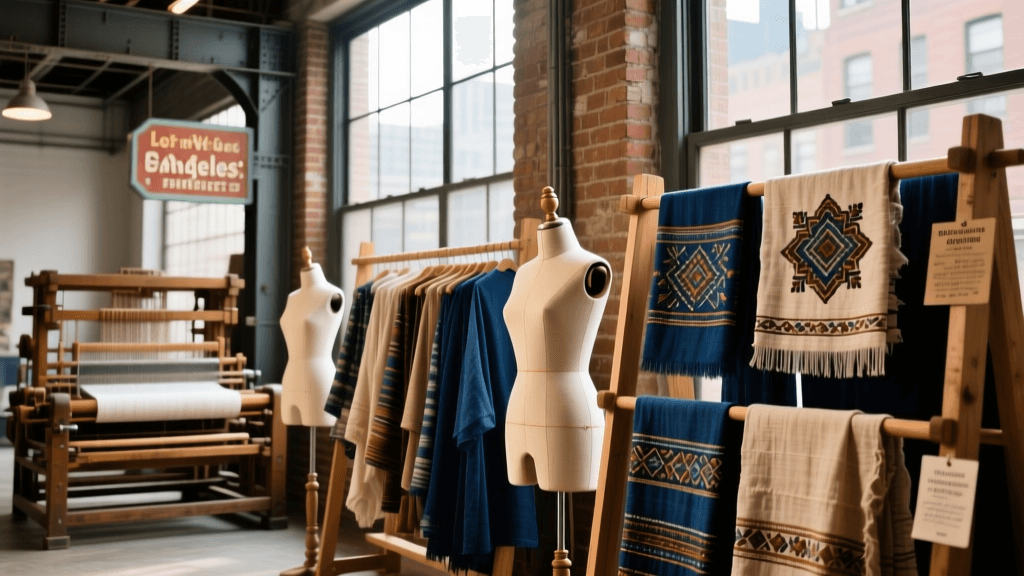
Oaxacan Zapotec Huipils 2026: Cochineal Dye & Weaving Guide
The Enduring Legacy of the Zapotec Huipil in 2026
The Oaxacan Zapotec huipil is far more than a simple garment; it is a wearable codex of Indigenous Latin American history, cosmology, and botanical mastery. As we navigate the ethical fashion landscape of 2026, the demand for authentic, handcrafted Latin American traditional garments has reached an all-time high. Conscious consumers and textile collectors are increasingly turning away from mass-produced fast fashion, seeking instead the profound cultural resonance and sustainable practices embedded in ancestral textile arts. The Zapotec huipil, originating from the valleys and sierras of Oaxaca, Mexico, stands at the forefront of this movement, showcasing a seamless blend of pre-Columbian techniques and contemporary sustainable relevance.
Anatomy, Measurements, and Cotton Preparation
A traditional Zapotec huipil is typically constructed from three distinct panels of handwoven cotton, sewn together with a highly decorative, intricate seam known as a randa. The standard dimensions for a full-sized ceremonial huipil in 2026 remain faithful to historical proportions: each panel measures approximately 120 centimeters in length and 45 centimeters in width, yielding a final garment that is roughly 135 centimeters wide and 120 centimeters long when folded and seamed at the sides.
The foundation of this garment is algodón criollo, or native cotton. Unlike commercial white cotton, native Oaxacan cotton grows naturally in shades of creamy white, soft brown (coyuche), and pale green. In 2026, artisan cooperatives have heavily invested in regenerative agriculture to protect these heirloom seeds from genetic contamination. The cotton is still frequently hand-spun using a malacate (spindle whorl), a process that introduces a slight, organic slub to the yarn, giving the finished textile its characteristic tactile warmth and uneven, human touch that machines cannot replicate.
Symbolism in Brocade Motifs
The visual language of the Zapotec huipil is created using a supplementary weft brocade technique, known locally as trama suplementaria. This involves adding a secondary, brightly colored weft thread during the weaving process to create patterns that appear embroidered but are actually integrated directly into the fabric's structure. Common motifs include:
- The Diamond (El Diamante): Representing the cosmos, the four cardinal directions, and the cyclical nature of the sun and agricultural seasons.
- The Double-Headed Eagle: A syncretic symbol blending Indigenous sky deities with Spanish colonial heraldry, representing dualities such as earth and sky, or past and future.
- The Zigzag (El Relámpago): Symbolizing lightning, rain, and the vital energy of the natural world.
The Alchemy of Cochineal: Natural Dyeing Techniques
No discussion of Oaxacan textile arts is complete without examining the brilliant reds derived from cochineal (Dactylopius coccus), a scale insect that lives on the pads of the nopal cactus. As detailed by the Metropolitan Museum of Art's Heilbrunn Timeline of Art History, cochineal was one of the most valuable exports from the Americas to Europe during the colonial era, prized for its unparalleled colorfastness and vibrancy. Today, in 2026, it remains a cornerstone of sustainable, non-toxic textile dyeing.
The dyeing process is an exercise in organic chemistry. The insects are carefully harvested, dried in the sun, and ground into a fine crimson powder. To prepare the dye bath, the powder is simmered in water. However, the yarn must first be mordanted—typically using potassium aluminum sulfate (alum)—to ensure the dye bonds permanently to the cotton or wool fibers. The true magic of cochineal lies in its pH sensitivity; by altering the acidity or alkalinity of the dye bath, master dyers can extract a vast spectrum of colors from a single insect.
2026 Cochineal Color Modification Chart
| Modifier Additive | pH Shift | Resulting Color on Cotton/Wool |
|---|---|---|
| None (Neutral Alum Mordant) | Neutral (pH ~7) | Deep Crimson / True Red |
| Lime Juice or Citric Acid | Acidic (pH 3-4) | Vibrant Orange / Coral |
| Wood Ash Water or Baking Soda | Alkaline (pH 9-10) | Rich Maroon / Deep Purple |
| Iron Sulfate (Rusty Water) | Mineral Shift | Dark Charcoal / Muted Plum |
Mastering the Backstrap Loom: Tension and Technique
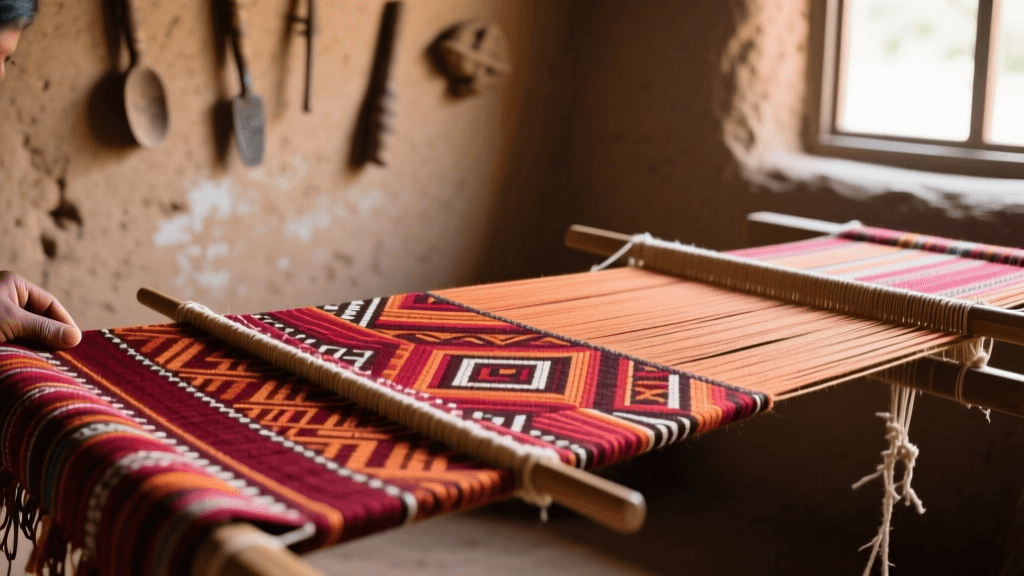
The Zapotec huipil is woven on a backstrap loom, an ancient, highly portable device that relies entirely on the weaver's body weight to maintain warp tension. One end of the loom is tied to a fixed object, such as a tree or a wooden post, while the other end is secured around the weaver's lower back via a belt (the backstrap). By leaning forward or backward, the weaver micro-adjusts the tension of the warp threads, a skill that takes years to master and allows for the creation of incredibly tight, dense, and durable textiles.
The primary tool used to pack the weft threads tightly together is the machete or batten—a heavy, smooth piece of carved wood or metal. In 2026, while some weavers use repurposed steel from old saw blades for heavier beatings, many still prefer traditional hardwood battens polished with natural beeswax to prevent snagging the delicate hand-spun cotton.
Ethical Sourcing and Market Pricing in 2026
As the global appreciation for Indigenous Latin American garments grows, so does the risk of cultural appropriation and exploitative pricing. In 2026, the most vital aspect of acquiring a traditional huipil is ensuring that the financial compensation reaches the artisans directly. Organizations like Nest have been instrumental in establishing global standards for artisan supply chains, promoting transparency and fair wages. Furthermore, the Mexican government's FONART (Fondo Nacional para el Fomento de las Artesanías) continues to provide vital certification and support for authentic makers, helping buyers distinguish between genuine handwoven masterpieces and imported, machine-made knockoffs.
When purchasing a huipil in 2026, buyers should look for blockchain-verified tags or direct cooperative certifications that trace the garment back to the specific village and weaver. This not only guarantees authenticity but ensures that the premium paid supports the continuation of the craft.
2026 Huipil Sourcing and Pricing Comparison
| Sourcing Channel | Estimated Price Range (USD) | Artisan Profit Margin | Verification & Authenticity |
|---|---|---|---|
| Direct from Village Artisan | $450 - $800 | 90% - 100% | High (Personal relationship, custom orders) |
| Fair-Trade Certified Co-op | $550 - $950 | 70% - 85% | Very High (Nest/FONART certified, transparent) |
| Boutique Ethical Retailer | $800 - $1,500+ | 40% - 60% | Moderate (Requires vetting of retailer policies) |
| Uncertified Online Marketplaces | $50 - $150 | < 5% | Low (High risk of machine-made appropriation) |
Garment Care and Preservation
Owning a handwoven, naturally dyed Zapotec huipil requires mindful maintenance to preserve its structural integrity and color vibrancy. Because the cochineal dye is highly sensitive to alkaline environments, you must never wash these garments with standard commercial laundry detergents, which are heavily alkaline and will instantly shift the brilliant reds to dull purples or grays.
Instead, hand wash the huipil in cool water using a pH-neutral, eco-friendly textile soap. Gently agitate the water with your hands, avoiding any twisting or wringing that could distort the warp tension. Rinse thoroughly in cool water, roll the garment in a clean, dry towel to press out excess moisture, and lay it flat to dry in a shaded, well-ventilated area. Direct sunlight will degrade the natural cotton fibers and fade the botanical dyes over time. When storing, fold the huipil with acid-free tissue paper and keep it in a breathable cotton bag to protect it from humidity and pests, ensuring this masterpiece of Latin American textile art endures for generations to come.