NYC & LA Garment Districts 2026: Sourcing Heritage Textiles
The Evolution of American Fashion Hubs in 2026
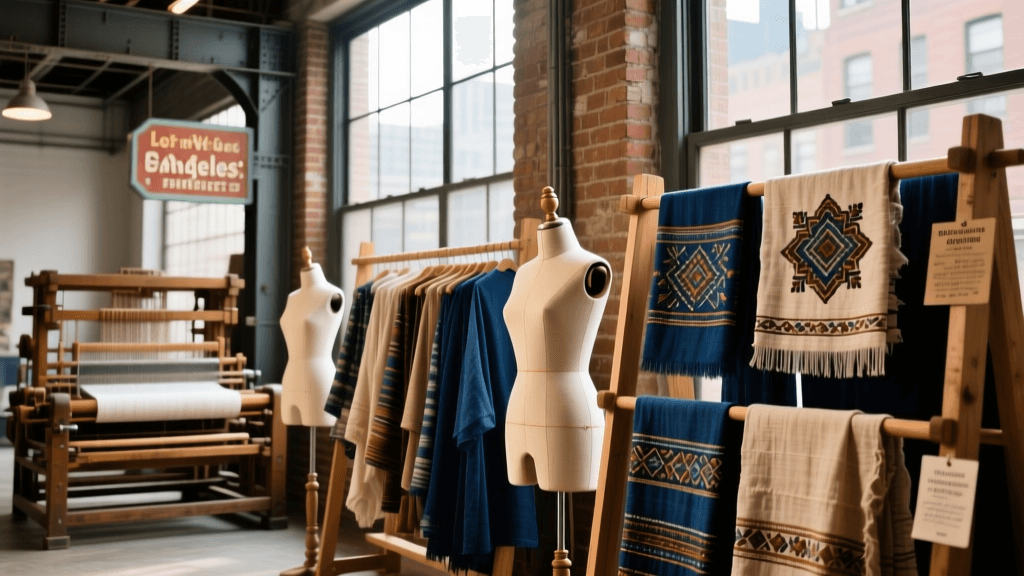
The American garment industry has undergone a profound transformation by 2026, shifting heavily toward sustainability, traceability, and the preservation of cultural heritage. For designers, cultural preservationists, and artisans focusing on the Americas and Indigenous clothing traditions, the nation's premier fashion hubs—the New York City Garment District and the Los Angeles Fashion District—remain indispensable resources. However, navigating these sprawling urban textile markets requires a highly specific strategy, especially when sourcing materials for traditional garments, Native American regalia, and Latin American textile arts. In 2026, the emphasis is no longer just on finding the cheapest fabric, but on locating high-quality, ethically produced materials that honor the historical integrity of indigenous and traditional designs.
Whether you are seeking heavy Melton wools for Native American trade cloth reproductions, vibrant cottons for Latin American huipiles, or specialized trims for ceremonial regalia, understanding the distinct personalities and inventory strengths of both coasts is essential. This comprehensive 2026 guide will walk you through the streets, buildings, and ethical considerations of sourcing heritage textiles in America's most iconic fashion districts.
Navigating the NYC Garment District for Heritage Wools and Tailoring
Manhattan's Garment District, historically bounded by 34th and 42nd Streets from Fifth to Ninth Avenue, remains the epicenter of high-end tailoring and specialty fabrics in North America. According to the Garment District Alliance, the neighborhood has successfully retained its core manufacturing and wholesale showrooms despite intense real estate pressures, adapting in 2026 by integrating digital swatching with physical showroom experiences. For creators of traditional North American Indigenous garments, the NYC district is unparalleled for sourcing heavy-duty wools, structured canvases, and premium tailoring supplies.
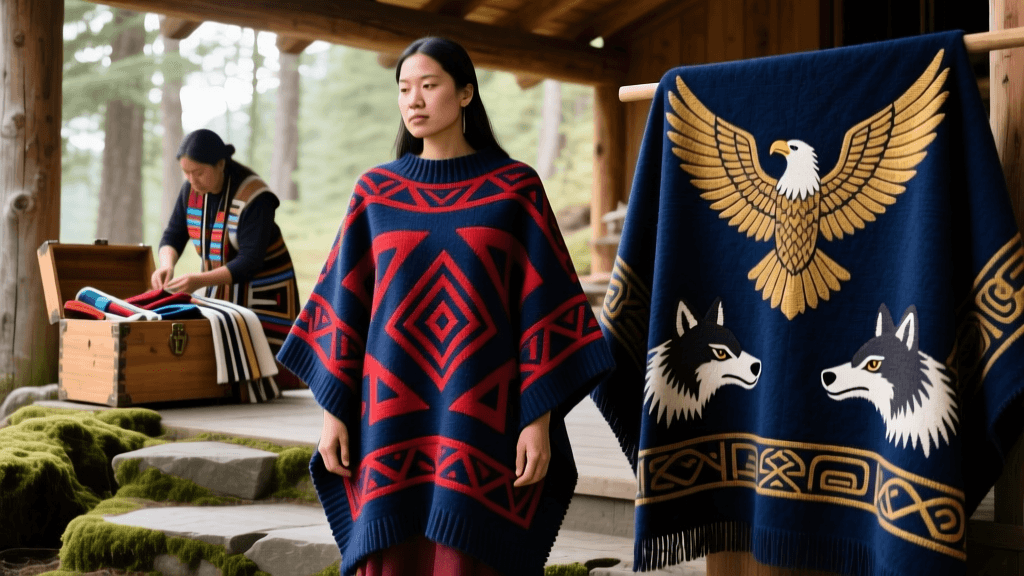
When sourcing materials for Native American ribbon shirts, woolen trade blankets, or historical Métis sashes, the weight and drape of the fabric are critical. Showrooms located in iconic buildings like 225 West 38th Street (home to massive multi-story fabric emporiums) and 520 8th Avenue offer extensive collections of Melton wool, heavy felt, and boiled wool. These materials are essential for replicating the historic Hudson's Bay Company trade blankets or creating modern, durable winter regalia. Furthermore, the district's specialized trim shops on 38th and 39th Streets are vital for sourcing high-quality silk ribbons, metallic braids, and specialized glass beads that are often difficult to find in standard craft stores. In 2026, many of these trim vendors have also begun stocking ethically sourced natural dyes and organic cotton threads, catering to the growing demand for eco-conscious traditional garment production.
The LA Fashion District: A Hub for Latin American Textiles and Embroidery
On the West Coast, the Los Angeles Fashion District in Downtown LA (DTLA) offers a vastly different, yet equally vital, sourcing experience. Spanning roughly 100 blocks, with the epicenter around 9th Street, Maple Avenue, and Olympic Boulevard, the LA district is deeply intertwined with Latin American manufacturing and import networks. The LA Fashion District is renowned for its vibrant, fast-moving inventory, making it the premier destination for designers working with Latin American traditional garments, embroidery, and woven cottons.
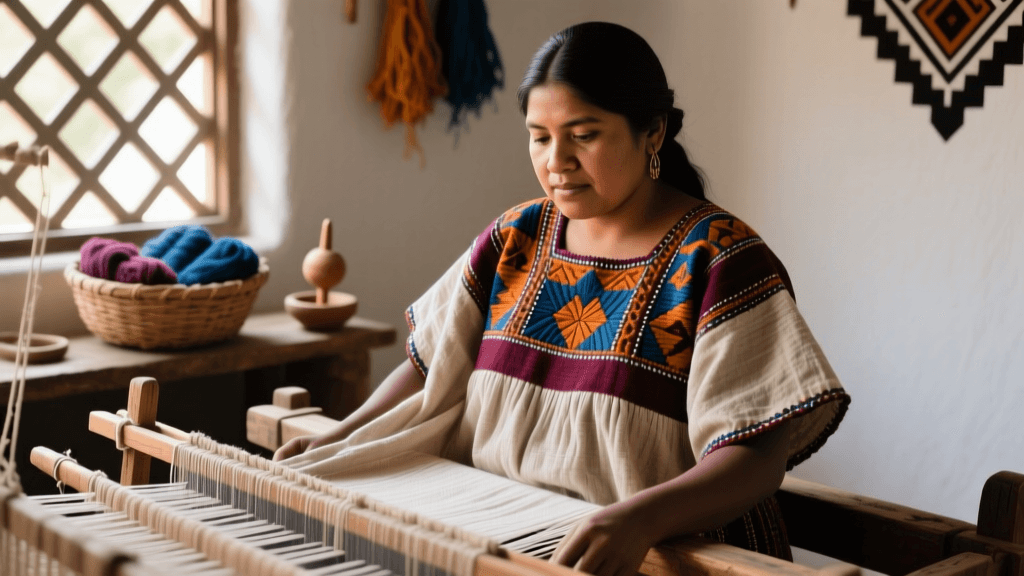
For those researching or recreating traditional Mexican, Guatemalan, or Andean textiles, the LA district's wholesale jobbers and importers are treasure troves. The California Market Center (CMC) and the surrounding Cooper Building host dozens of vendors specializing in manta cotton (the unbleached, heavy cotton traditionally used for peasant blouses and huipiles), vibrant embroidered lace, and intricate woven trims. In 2026, there has been a notable surge in vendors importing authentic, artisan-woven textiles directly from cooperatives in Oaxaca and Chiapas, allowing buyers to support indigenous weavers while sourcing within the United States. Additionally, the district's thread and embroidery supply shops on 11th Street are essential for sourcing the high-sheen rayon and cotton floss required for traditional Latin American floral and geometric embroidery patterns.
2026 Sourcing Comparison: NYC vs. LA
To help you plan your 2026 sourcing trips, we have compiled a comparison chart detailing the primary differences between the two hubs, specifically tailored for heritage and traditional garment designers.
| Feature | NYC Garment District | LA Fashion District |
|---|---|---|
| Primary Focus | High-end tailoring, heavy wools, silks, specialty trims | Woven cottons, denim, vibrant imports, embroidery supplies |
| Best For Indigenous/Heritage | Native American trade cloth, wool blankets, ribbon work | Latin American huipiles, manta cotton, artisan weaves |
| Typical MOQs (2026) | High (often 50+ yards for wholesale) | Low to Medium (many jobbers sell 10+ yard cuts) |
| District Vibe | Vertical (multi-story showrooms, elevators, appointments) | Horizontal (street-level storefronts, open-air browsing) |
| Transit & Logistics | Subway accessible; shipping via local courier networks | Car essential; massive freight and direct-to-port shipping |
Ethical Sourcing: Avoiding Cultural Appropriation in 2026
A critical conversation in the Americas and Indigenous clothing space is the line between cultural appreciation and cultural appropriation. When sourcing in major American fashion hubs, it is incredibly easy to find mass-produced fabrics featuring "tribal" or "Aztec" prints. In 2026, ethical designers and cultural institutions actively avoid these factory-printed knockoffs, as they often steal sacred or proprietary motifs from indigenous communities without compensation or permission.
According to guidelines championed by organizations like the Council of Fashion Designers of America (CFDA), protecting cultural intellectual property is a paramount responsibility for modern designers. When visiting the NYC or LA garment districts, use the districts to source blank materials—the heavy wools, the plain manta cottons, the high-quality threads, and the blank ribbons. By purchasing the foundational materials and applying traditional techniques (like beadwork, ribbon appliqué, or backstrap weaving) yourself, or by collaborating directly with indigenous artisans, you ensure that the cultural narrative remains intact and respected. Always ask showroom representatives about the origin of their woven textiles; reputable importers in LA will be able to provide documentation proving that their artisan textiles were sourced via fair-trade cooperatives rather than exploitative factories.
Actionable Sourcing Strategy for Your 2026 Trip
To maximize your efficiency and budget when visiting these fashion hubs, follow this actionable checklist designed specifically for heritage textile sourcing:
- Map Your Vertical vs. Horizontal Route: In NYC, group your appointments by building (e.g., spend the morning at 225 W 38th St and the afternoon at 520 8th Ave). In LA, map your route by street corridors (e.g., 9th St for fabrics, 11th St for trims and threads) to minimize walking in the heat.
- Request Header Cards and Swatch Sets: Many traditional garments require specific fabric weights. Do not rely on memory. Ask vendors for 2026 header cards or memos so you can test the drape and weight of Melton wools or manta cottons back in your studio before committing to a 100-yard roll.
- Navigate the New 2026 Freight Rules: Both NYC and LA have implemented stricter commercial loading zone regulations in 2026. If you are buying heavy bolts of wool or canvas, arrange for the vendor's preferred local courier to ship directly to your studio rather than attempting to transport them via rideshare or personal vehicle.
- Verify Fiber Content for Historical Accuracy: Traditional indigenous and Latin American garments were historically made from natural fibers (wool, cotton, silk, linen). Use the district's testing labs or ask for mill certificates to ensure your "cotton" isn't a poly-blend, which will drastically alter the way natural dyes take to the fabric.
- Build Relationships with Trim Jobbers: The real magic for regalia and traditional dress lies in the trims. Spend extra time in the small, family-owned trim shops. Building a relationship with these vendors often grants you access to deadstock vintage ribbons and metallic threads that are no longer in mass production.
Conclusion
The NYC and LA Garment Districts remain the beating heart of American textile sourcing in 2026. By understanding the unique strengths of each hub—NYC for structured wools and tailoring, LA for vibrant cottons and Latin American imports—designers and preservationists can source the exact materials needed to honor the rich tapestry of the Americas. Approach your sourcing trips with a commitment to ethical purchasing, historical accuracy, and cultural respect, and these historic districts will provide the foundational materials necessary to keep indigenous and traditional garment arts thriving for generations to come.