LDS Garment Styles & Materials: 2026 Modern Updates
The Evolution of Sacred Wear: LDS Garments in 2026
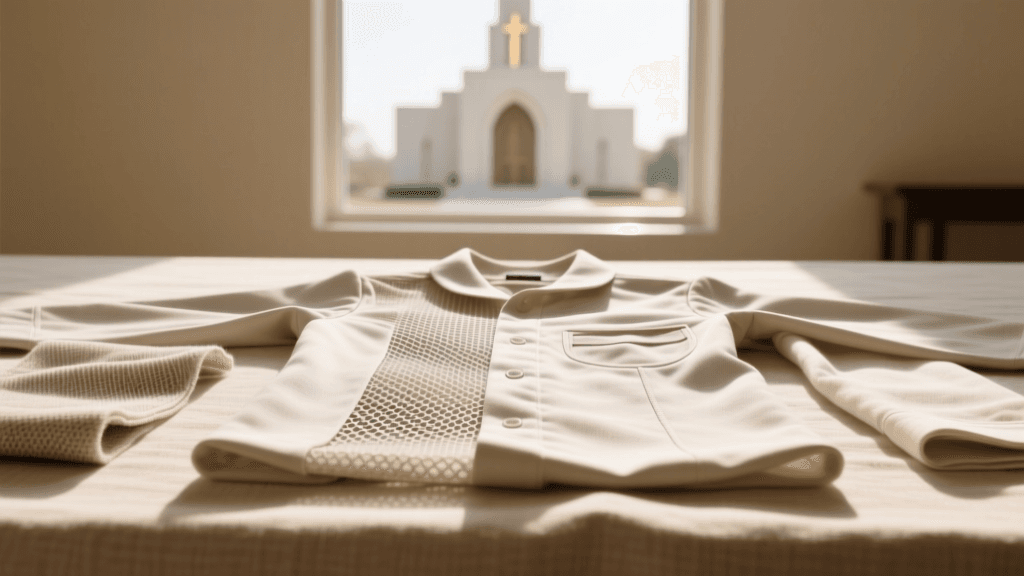
For members of The Church of Jesus Christ of Latter-day Saints, the temple garment is a deeply sacred article of clothing, serving as a personal, private reminder of covenants made in the temple. While the spiritual significance and the core symbolic markings of the garment remain entirely unchanged since their introduction in the 19th century, the physical construction, textiles, and tailoring have seen remarkable evolution. As we navigate 2026, the intersection of sacred tradition and modern textile technology has resulted in a diverse catalog of options designed to meet the practical needs of a global membership.
Historically, early garments were crafted from heavy, unbleached cotton or wool, featuring long sleeves and legs that extended to the wrists and ankles. Over the decades, authorized updates have allowed for shorter sleeves and legs, reflecting changes in global fashion, climate needs, and textile manufacturing. Today, the Church’s Distribution Services and authorized retailers like Deseret Book offer a highly specialized range of garments. The 2026 lineup showcases an impressive array of moisture-wicking synthetics, sustainably sourced semi-synthetics, and premium cotton blends, ensuring that members can maintain their sacred commitments comfortably in any environment or lifestyle.
Core Materials: Comparing 2026 Fabric Technologies
The most significant modern updates to LDS garments lie in fabric technology. In 2026, members can choose from several distinct material profiles, each engineered for specific climates, activity levels, and sensory preferences. The shift toward high-performance and eco-conscious textiles has greatly expanded the comfort and durability of these sacred items.
| Fabric Type | Breathability | Stretch & Recovery | Best Climate / Use Case | Care Level |
|---|---|---|---|---|
| 100% Combed Cotton | High | Low | Moderate climates; traditional preference | Moderate (may shrink) |
| Cotton / Spandex Blend | Medium-High | Medium | Daily wear; active professions | Easy |
| Lenzing Modal Blend | Very High | Medium-High | Hot/humid climates; sensitive skin | Very Easy (resists shrinking) |
| Athletic (Poly/Spandex) | High | Very High | Sports, heavy exercise, high heat | Easy (quick-drying) |
| Lightweight Microfiber | Very High | Low-Medium | Extreme heat; tropical regions | Easy |
The Lenzing Modal options have become exceptionally popular by 2026. Derived from sustainably harvested beechwood pulp, modal is significantly softer than traditional cotton, highly resistant to shrinking, and possesses natural moisture-wicking properties. For members living in tropical or highly humid regions, the modal and lightweight microfiber options provide essential cooling relief without compromising the modesty and coverage required of the garment.
According to the Church’s official Gospel Topics essay on Garments, the focus remains on the spiritual protection and reminder the garment provides, while the physical materials are adapted to help the wearer integrate this sacred practice seamlessly into daily life. The 2026 textile updates reflect a deep institutional understanding that physical comfort directly supports spiritual focus.
Modern Style Variations and Fits
Beyond fabric, the cut and silhouette of the garment have been refined to accommodate modern wardrobes, diverse body types, and specific physical activities. When browsing the Deseret Book garment collection or the official Church Distribution catalog, members will find several distinct style categories for both the top (shirt) and bottom.
Standard, Stretch, and Athletic Fits
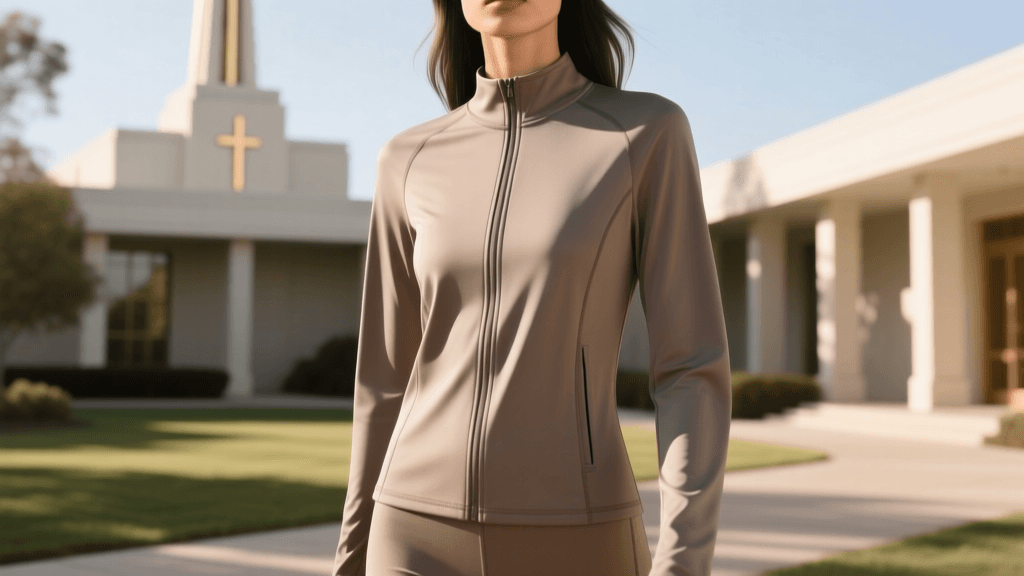
The Standard Fit remains the baseline, offering a relaxed, classic drape that works well under loose-fitting clothing. However, the Stretch Fit—typically a 90% cotton and 10% spandex blend—has become a staple for 2026. It provides a tailored, contoured silhouette that prevents bunching under modern, slim-fit business attire or casual wear. For intense physical activity, the Athletic Line utilizes advanced polyester-spandex meshes. These feature flatlock seams to prevent chafing during running, weightlifting, or competitive sports, and they dry remarkably fast after heavy perspiration.
Necklines and Sleeve Lengths
For the garment top, members can select between Crew and V-Neck styles. The V-neck is highly favored for wearing under button-down dress shirts or blouses, as it remains hidden beneath an open collar. Sleeve lengths include the traditional Short Sleeve and the Cap Sleeve. The cap sleeve is specifically designed for women wearing dresses or tops with wider armholes, ensuring the sacred garment remains covered and unexposed while allowing for greater airflow in the summer months.
Bottom Lengths and Women’s Styles
Garment bottoms are available in standard knee-length and the increasingly popular Bermuda length. The Bermuda cut stops mid-thigh, offering necessary coverage for modesty while remaining completely invisible under knee-length skirts, dresses, or tailored shorts. For women, the 2026 catalog also features specialized Maternity Garments with expandable, ultra-soft abdominal panels that accommodate a growing pregnancy without putting pressure on the stomach, ensuring comfort and reverence throughout all stages of motherhood.
Sustainability in 2026 Garment Manufacturing
A notable update in the 2026 production cycle is the Church’s increased commitment to sustainable textile sourcing. The manufacturing of the modal and microfiber garments now heavily utilizes closed-loop production processes. In a closed-loop system, the water and solvents used to break down wood pulp into modal fiber are captured and reused, drastically reducing environmental runoff. Furthermore, the packaging for garments purchased online or in distribution centers has transitioned to 100% post-consumer recycled materials, aligning the production of sacred clothing with broader global stewardship and sustainability goals.
Purchasing, Marking, and Care Guidelines
Acquiring and caring for garments requires adherence to specific Church guidelines. Garments can only be purchased by members who have received their endowment in a Latter-day Saint temple. They are available through Church Distribution Centers, online via the official Church store, and through authorized retailers like Deseret Book.
When purchasing a new, unmarked garment, it must be taken to a temple or an authorized distribution center to be "marked." This process involves adding the specific symbolic figures to the fabric, which transforms the clothing from a simple undergarment into a sacred temple garment. In 2026, the marking process is highly efficient, often utilizing specialized, skin-safe embroidery or durable stamping techniques that withstand hundreds of wash cycles without degrading or irritating the skin.
Best Practices for Garment Care
To maximize the lifespan of modern garment materials, specific care routines are recommended:
- Cotton and Stretch Blends: Wash in cold or warm water. Tumble dry on low heat to prevent the spandex fibers from breaking down and to minimize cotton shrinkage.
- Modal and Microfiber: These fabrics are highly durable but sensitive to high heat. Wash in cold water and either hang dry or use the lowest heat setting on your dryer. Avoid fabric softeners, as they can coat the moisture-wicking fibers and reduce their breathability.
- Athletic Garments: Turn inside out before washing to protect the outer surface and ensure body oils are fully removed from the inner mesh. Do not use bleach, as it will destroy the synthetic elasticity.
Balancing Reverence with Modern Practicality
The 2026 updates to LDS temple garments represent a thoughtful balance between unwavering reverence for sacred covenants and the practical realities of modern life. Whether a member is navigating a sweltering tropical commute, engaging in high-intensity athletics, or attending a formal corporate event, the current array of materials and styles ensures that the garment can be worn continuously and comfortably. By embracing advanced textiles like sustainably sourced modal and high-performance athletic blends, the Church continues to support its global membership in honoring their most sacred commitments, no matter where their life’s journey takes them.